7 min read
4.5
· 226 Amazon ratingsShare This Review
The Inspired Room by Melissa Michaels Review: Practical Home Décor for Real Life
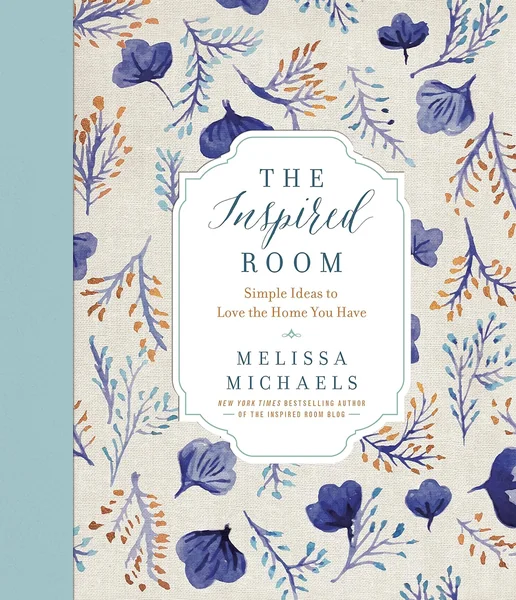
The Inspired Room: Simple Ideas to Love the Home You Have is a New York Times bestselling home décor book by Melissa Michaels, creator of the award-winning blog of the same name, designed to help readers embrace and beautify the homes they already own — without a large budget or advanced DIY skills.
LuvemBooks Verdict
Best for
Everyday home decorators who feel overwhelmed or under-resourced and want warm, relatable encouragement to personalise and invest in the home they already have — without a large budget or advanced DIY skills.
Worth it if
You want a richly illustrated, room-by-room reference that pairs genuine inspiration with accessible, real-life decorating philosophy — and you're drawn to a voice shaped by a real home rather than a show-house aesthetic.
Skip if
You're looking for technical renovation walkthroughs, architectural detail, or step-by-step project manuals — this book is firmly pitched at inspiration and philosophy rather than skilled construction.
What readers & critics say
Harvest House Publishers describes the book as sharing "inspiring photos, real-life decor solutions" from Michaels's own home, emphasising that no big budget or perfect DIY skills are needed to embrace her practical philosophy. The Inspired Room's own site quotes Sandy Coughlin, author and founder of Reluctantentertainer.com, praising Michaels for giving readers "the freedom to let our homes evolve day-to-day, season-to-season" and offering "soothing advice for those reluctant to practice hospitality."
Sources: Harvest House Publishers, The Inspired Room (theinspiredroom.net)Ask LuvemBooks
Was this helpful?
- Is it worth reading?
- For readers who want encouragement to invest in and personalize the home they already occupy — without needing a renovation budget or construction skills — The Inspired Room delivers exactly what it promises. The book's credibility is well-established: it became a New York Times bestseller, and Michaels's blog earned back-to-back Better Homes and Gardens Readers' Favorite Decorating Blog awards in 2014 and 2015, signaling genuine resonance with everyday home decorators. The main caveat is scope: those expecting a technical how-to manual with step-by-step project instructions will find it pitched toward philosophy and inspiration rather than skilled construction.
- Similar books
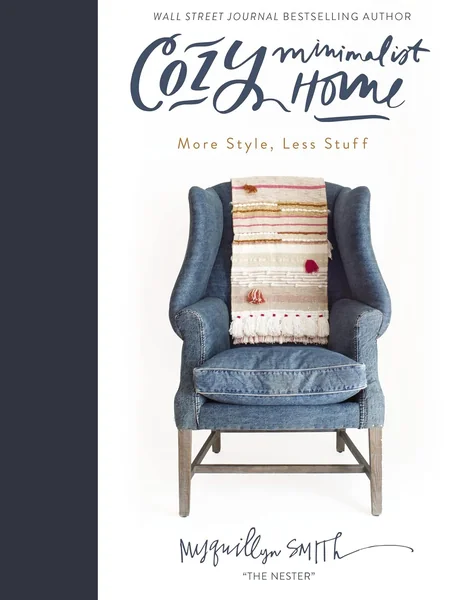
- Readers who enjoy The Inspired Room tend to gravitate toward other warm, philosophy-first home décor books. Myquillyn Smith's The Nesting Place shares the same 'it doesn't have to be perfect to be beautiful' sensibility, while her Cozy Minimalist Home offers a more pared-back take on the same accessible approach. Joanna Gaines's Homebody is another natural companion, guiding readers through creating spaces that feel personally meaningful. For a cottage-style aesthetic with a similar approachable tone, Liz Marie Galvan's Cozy White Cottage fits well. Maxwell Ryan's Apartment Therapy takes a more structured, eight-step framework but shares the focus on transforming the home you already have.
- Who should read this?
- The Inspired Room is written specifically for everyday home decorators — people who want a more beautiful, personalized living space but don't have a large decorating budget, professional contractor access, or advanced DIY skills. Fans of Michaels's blog will find the print edition a natural extension of that community's grassroots, relatable aesthetic. It's also well-suited to readers who feel overwhelmed or uninspired by aspirational décor imagery that bears no resemblance to their own homes, since the book is explicitly built around the premise that the home one already has is already worth loving.
- What is The Inspired Room blog?
- The Inspired Room began as a blog created by Melissa Michaels and grew into one of the most widely followed home décor destinations online. The blog earned the Better Homes and Gardens Readers' Favorite Decorating Blog award in both 2014 and 2015 — a distinction that reflects its resonance with everyday home decorators rather than design industry insiders. The book is a direct translation of that blog's community-driven, relatable philosophy into a richly illustrated print format, with Michaels's own home serving as the primary example throughout.
- What doesn't this book cover?
- The Inspired Room is not a technical renovation guide, and it explicitly does not require — or teach — advanced DIY skills or construction knowledge. Readers hoping for detailed architectural instruction, step-by-step project plans, or guidance on structural home improvements will find the book pitched at a different level entirely. Michaels's philosophy centers on simplicity and accessibility, meaning the book's strength lies in inspiration, mindset, and styling ideas rather than skilled craft.
- Is this a good book club pick?
- The Inspired Room is better suited to individual use as a personal decorating reference than to a traditional book club discussion format. Its value lies primarily in the visual inspiration and practical guidance it offers to individual readers tackling their own spaces, rather than in narrative, character, or thematic debate. That said, a group of friends interested in home décor could find it a useful shared starting point for discussing decorating philosophy and swapping ideas.
Summarize this book
Follow up
Synthesized from verified book data & published reviews · How we review
Press Enter to ask. Answers come from our editorial Q&A — start typing to see related questions.
Age & Reading Level
Recommended age
Adult
Reading level
Adult
Skip if you're looking for technical renovation instruction or a step-by-step DIY project manual.
Our Review
What the Book Is and What It Offers
Michaels's Platform and the Book's Place in the Genre
Strengths: Accessibility and the Budget-Conscious Philosophy
The Visual and Content Format
Considerations and Who Will Get the Most From It
Sources & Further Reading
The key facts and claims in this review are grounded in the retrieved, verified sources listed below.
- Cited in this review
- 1
theinspiredroom.net
- 2
- 3
- 4
- Further reading
- 5
harvesthousepublishers.com
- 6
tantor.com
Books like The Inspired Room
Curated picks for readers who enjoyed The Inspired Room, with our reasoning for each match.
If you liked The Inspired Room