At a glance
About the Author
Andrea Catalano1 book reviewed
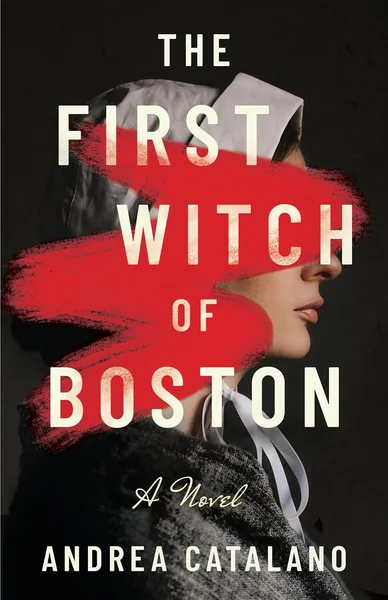
The First Witch of Boston
A Novel
by Andrea Catalano
LuvemBooks Verdict
Best for: Historical-fiction readers drawn to fact-based Puritan witch-trial stories — especially those who want the real Margaret Jones case rendered as an intimate, decades-spanning marriage portrait rather than a courtroom thriller — and book clubs, which the author actively supports with a press kit and visits.
Worth it? Skip it? Read the full verdict →Ask LuvemBooks
Was this helpful?
- Is it worth reading?
- For the right reader, yes. Early reviewers have praised the rich 17th-century period detail and the sustained tension of its courtroom and community scenes — one called it a "beautifully researched, emotionally powerful novel" — and the dual love-story-and-witch-trial construction is genuinely distinctive. The honest caveat is that reception is positive but not uniform: blogger Toby A. Smith found it "less than I had hoped," and readers expecting suspense or a trial-centered drama may find it tilts toward domestic tragedy, since the outcome is known from page one.
- Similar books
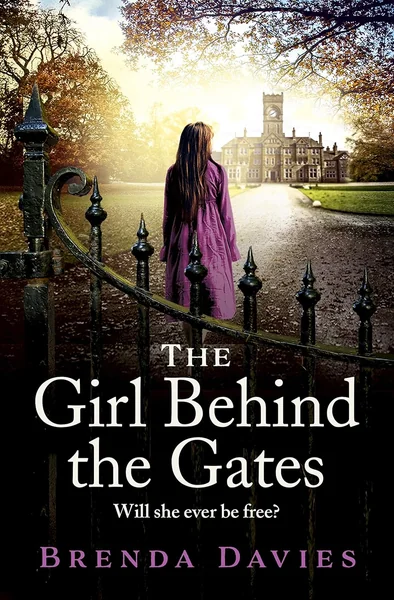
- Readers who connect with this fact-based witch-trial fiction have a strong shelf waiting. Kathleen Kent's The Heretic's Daughter and Chris Bohjalian's Hour of the Witch are the closest matches in subject — Puritan-era witchcraft accusations rendered as intimate domestic stories — while Rivka Galchen's Everyone Knows Your Mother Is a Witch offers a more formally playful take on a historical witch trial. Brenda Davies's The Girl Behind the Gates will appeal to readers drawn to true stories of women punished by the institutions around them, and Elizabeth George Speare's classic The Witch of Blackbird Pond is the gentler, younger-skewing touchstone of the genre.
- Who should read this?
- Historical-fiction readers drawn to the Puritan era are the core audience, along with anyone specifically interested in the Margaret Jones case and readers who enjoy fact-based witch-trial fiction. It's also a natural book-club pick — the author maintains a press kit and schedules club visits. Readers sensitive to depictions of pregnancy loss or sexual trauma should approach with care, and those wanting a propulsive courtroom narrative should calibrate expectations: the book leans into the marriage and the private grief more than the trial.
- What age is it for?
- This is an adult novel, full stop. It engages with capital punishment, miscarriage, child loss, historical misogyny, and sexual trauma alongside the witchcraft charge itself — material the review describes as heavy by any measure and that some adult readers will find relentless. There is no children's or YA edition angle here; readers under 18 should generally look elsewhere, and even adult readers sensitive to pregnancy loss or sexual trauma should approach with care.
- Is this a good book club pick?
- Yes — arguably one of its strongest use cases. The book raises rich discussion material: religious hypocrisy and communal suspicion, the role of women in Puritan society, how a community's fear converges on one independent woman, and the ethics of imagining a real executed woman's inner life. The author actively supports clubs, maintaining a press kit and scheduling club visits. The one caution for club organizers is the heavy content — miscarriage, child loss, and sexual trauma — which is worth flagging to members in advance.
- How heavy is the content?
- Very heavy — the review calls it heavy reading by any measure. The novel engages with capital punishment, miscarriage, child loss, historical misogyny, and sexual trauma alongside the witchcraft charge itself, and that weight is amplified because the reader knows Margaret's fate from the start. Some readers will find this powerful; others will find it relentless. If depictions of pregnancy loss or sexual trauma are difficult for you, this is a book to approach with genuine care.
Summarize this book
Follow up
Synthesized from verified book data & published reviews · How we review
Press Enter to ask. Answers come from our editorial Q&A — start typing to see related questions.
Age & Reading Level
Recommended age
Adult
Reading level
Adult
5 content notes · who it suits
Content to know about
Best for: Adults — capital punishment, sexual trauma, miscarriage, and child loss sit at the center of the narrative
Skip if you want a suspenseful, trial-centered drama — the outcome is known from page one and the book leans toward domestic tragedy.
Editorial Review
Andrea Catalano's The First Witch of Boston (Lake Union, 2025) reconstructs the true case of Margaret Jones, the first woman executed for witchcraft in Boston in 1648, through her discovered journals and her husband Thomas's memories. Built on actual diaries and court records, it is as much a decades-spanning love story as a witch-trial drama — and its heavy themes won't suit every reader.
Read the Full ReviewBooks like The First Witch of Boston
Curated picks for readers who enjoyed The First Witch of Boston, with our reasoning for each match.