
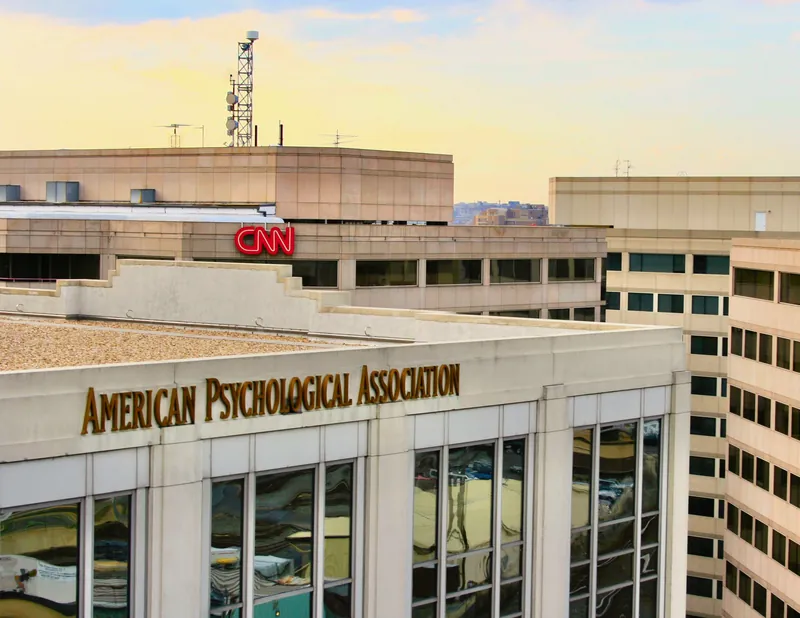
7 min read
4.8
· 34,317 Amazon ratingsShare This Review

Our review
Publication Manual of the American Psychological Association (7th Edition) by American Psychological Association Review: The Definitive Scholarly Style Reference
The Publication Manual of the American Psychological Association, Seventh Edition is the official, authoritative reference guide for APA Style, designed for writers, researchers, editors, students, and educators across a wide range of disciplines. A Wall Street Journal, USA Today, and Publishers Weekly bestseller with millions of copies sold worldwide, this thoroughly revised seventh edition updates best practices in scholarly writing, citation, and publishing for the modern academic landscape — including expanded guidance on digital sources, DOIs, URLs, and inclusive language.
LuvemBooks Verdict
Best for
Researchers, students, editors, and academics in the social sciences, natural sciences, nursing, education, business, and related fields who are required to follow APA Style for manuscript preparation, citation formatting, or scholarly publishing.
Worth it if
You write, edit, or evaluate work that must conform to APA Style — this is the single authoritative source, and the seventh edition's expanded digital citation guidance and updated inclusive language sections make it a genuine upgrade over the sixth.
Skip if
Your field uses Chicago, MLA, or another style system — or you're a general or casual writer — because the manual's scope is tightly calibrated to APA conventions and offers little that transfers beyond them.
What readers & critics say
The APA's own platform (apastyle.apa.org) describes the seventh edition as "the official source for APA Style," thoroughly revised to reflect best practices in scholarly writing and publishing, and notes its authority on headings, tables, figures, language, and tone for concise scholarly communication. Barnes & Noble, apa.org, and dokumen.pub all confirm its Wall Street Journal, USA Today, and Publishers Weekly bestseller status — an unusual crossover achievement for a technical reference work that reflects its broad institutional adoption across many disciplines.
Sources: APA Style (apastyle.apa.org), Barnes & Noble, APA.org, dokumen.pubIn This Review
- What Works & What Doesn't
- What the Manual Actually Is and Does
- Scope and Structure: What's Inside
- Significance and Reception
- Genuine Strengths
- Limitations and Who May Struggle
What Works & What Doesn't
What Works
- The official, authoritative source for APA Style — no substitute exists for writers and researchers required to follow APA formatting
- Thoroughly revised after a decade, with meaningfully expanded coverage of digital citation including DOIs, URLs, social media, and database sources
- Addresses contemporary language norms including inclusive language and the singular 'they', keeping the guidance current
- A Wall Street Journal, USA Today, and Publishers Weekly bestseller, reflecting broad professional adoption across many disciplines
- Available in multiple formats (paperback, hardcover, spiral-bound/tabbed, and ebook, all in full color) to suit different working styles
What Doesn't
- Highly specialized for APA Style specifically — writers in fields using Chicago, MLA, or other systems will find limited application
- Dense reference structure designed for lookup rather than sequential reading, which can be demanding for users new to academic style conventions
- Users transitioning from the sixth edition face an adjustment period due to reorganized structure and updated rules
This review covers the book's content, premise and published critical reception, not a first-hand reading.
What the Manual Actually Is and Does
Scope and Structure: What's Inside
Significance and Reception
Genuine Strengths
Limitations and Who May Struggle
Frequently Asked Questions
Age & Reading Level
Recommended age
Adult
who it suits
Skip if you write in a discipline that uses Chicago, MLA, or any style system other than APA — the manual's guidance does not transfer to those formats.
Sources & Further Reading
The key facts and claims in this review are grounded in the retrieved, verified sources listed below.
- Cited in this review
- 1
- 2
- Further reading
- 3
- 4
- 5
- 6
No Comments Yet
Be the first to share your thoughts on this review.