8 min read
4.8
· 9,258 Amazon ratingsShare This Review
Hunger Games 4-Book Paperback Box Set by Suzanne Collins Review: The Complete Panem Saga in One Set
Suzanne Collins's four-novel Hunger Games universe — The Hunger Games, Catching Fire, Mockingjay, and The Ballad of Songbirds and Snakes — is collected in a single paperback box set published by Scholastic Inc. In October 2023, giving readers the full arc of Panem from its dystopian origins to its electrifying conclusion. This review is based on the content of the novels and published reception from named sources; it does not assess the physical box set first-hand.
LuvemBooks Verdict
Best for
Readers new to the series who want to dive into the complete Hunger Games world in one go, or returning fans who read the original trilogy and want to add The Ballad of Songbirds and Snakes in a unified, shelf-ready paperback collection.
Worth it if
You're drawn to dystopian fiction with genuine political weight, morally compromised protagonists, and narratives that resist easy resolution — and want all four volumes in a single, convenient package.
Skip if
You prefer lighter, more straightforwardly heroic young adult fiction, are put off by a villain-centred prequel that demands sustained moral discomfort, or need to verify physical quality (paper, binding, cover reproduction) before buying — factors this review cannot assess.
What readers & critics say
Lovereading4kids notes the series is "often disturbing, but it certainly will hold the attention of even the most reluctant reader." Barnes & Noble's listing surfaces critical coverage praise for "whipsaw plot twists and propulsive writing" that make complex issues of "vulnerability and abuse, personal responsibility, and institutionalized power dynamics — vivid and personal," while suzannecollinsbooks.com highlights critical coverage calling the series "propulsive" and crediting Collins with painting "a shrewd portrait of the machinery of propaganda and how authoritarianism takes root."
Sources: lovereading4kids.co.uk, barnesandnoble.com, suzannecollinsbooks.comAsk LuvemBooks
Was this helpful?
- Is it worth reading?
- For readers drawn to dystopian fiction with genuine political weight, morally compromised protagonists, and narratives that resist easy resolution, the series delivers across all four volumes. The trilogy's New York Times bestseller status and adaptation into four major films speak to its proven, enduring appeal, while MSN noted that Collins's "themes of friendship, betrayal, authority and oppression" will "please and thrill." The prequel adds valuable context by showing how Coriolanus Snow built the machinery of the Games, though its villain-centred perspective marks a sharp tonal departure that not every reader will find equally satisfying. Those who prefer lighter or more straightforwardly heroic YA fiction — particularly in Mockingjay's unflinching final act — may find the series demanding.
- Similar books
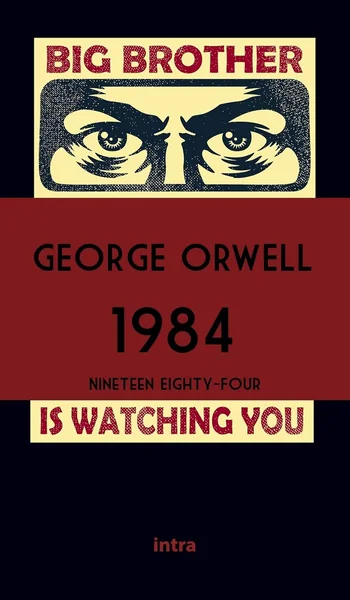
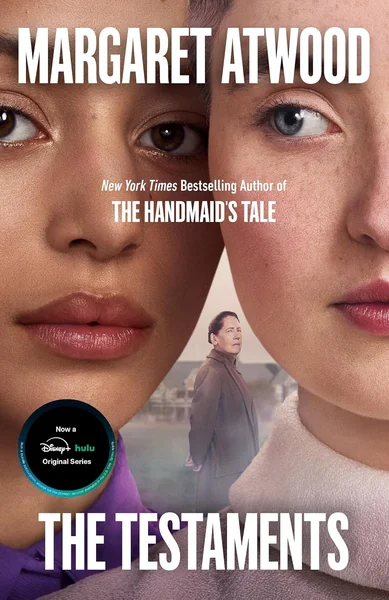
- Readers who respond to the Hunger Games series' political dystopia and moral complexity have several strong options nearby. George Orwell's 1984 is the obvious touchstone for authoritarian world-building and the crushing weight of state surveillance — a more adult companion to Panem's Capitol. Margaret Atwood's The Testaments (the sequel to The Handmaid's Tale) similarly explores how oppressive regimes sustain themselves and how resistance forms from within — and, like The Ballad of Songbirds and Snakes, gives voice to a morally complex insider perspective. For readers who want to stay in YA dystopia, Veronica Roth's Divergent and James Dashner's The Maze Runner occupy similar genre territory with action-driven narratives and young protagonists navigating brutal systems of control.
- Who should read this?
- This box set is best suited to readers aged 12 and up who are drawn to dystopian fiction with genuine political weight — authority, oppression, spectacle, and the moral cost of resistance. The publisher's Grade 7–9 designation reflects a series that is accessible enough for strong middle-grade readers but thematically complex enough to engage adult audiences. Series completists who read the original trilogy and want to add The Ballad of Songbirds and Snakes will find the set a practical way to unify the shelf. Readers who prefer lighter, more straightforwardly heroic YA fiction should approach Mockingjay and the villain-centred prequel with adjusted expectations.
- What age is it for?
- Best for ages 12 and up, in line with the publisher's guidance and a Grade 7–9 reading level designation. The series deals with state-sanctioned violence, political oppression, and morally compromised characters — including a protagonist (in the prequel) who is a future autocrat — which suits the comprehension and emotional maturity of readers in that range and above. The later volumes, particularly Mockingjay, are notably darker in tone, and the prequel asks readers to hold sustained moral complexity and discomfort, making those entries better suited to readers toward the upper end of that range or older.
- About Suzanne Collins
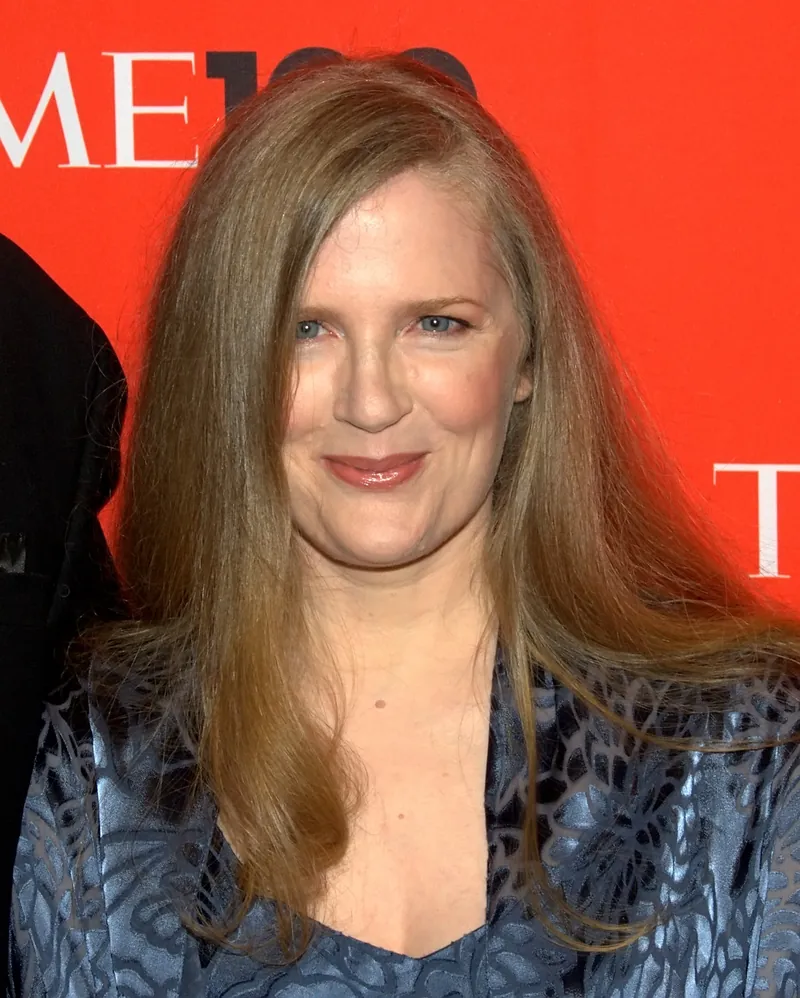
- Suzanne Collins is an American author and television writer who is best known as the author of the young adult dystopian fiction book series The Hunger Games.
- Tell me about the adaptations
- The original Hunger Games trilogy was adapted into four major films — The Hunger Games (2012), Catching Fire (2013), and Mockingjay split across two parts (2014 and 2015) — starring Jennifer Lawrence as Katniss Everdeen. The Ballad of Songbirds and Snakes was also adapted into a feature film, released in 2023, extending the cinematic universe into Coriolanus Snow's origin story. The series' basis for four major films is cited as part of its proven, enduring cultural appeal.
- What's the reading level?
- The box set carries a Grade 7–9 reading level designation, reflecting a series that occupies a productive middle ground — accessible enough for strong middle-grade readers but thematically complex enough to engage adult audiences. At 1,712 pages across four volumes, it is a substantial reading commitment, though individual novels can each be read in a few sittings at a comfortable pace. The publisher positions the set for readers aged 12 and up.
Summarize this book
Follow up
Synthesized from verified book data & published reviews · How we review
Press Enter to ask. Answers come from our editorial Q&A — start typing to see related questions.
Age & Reading Level
Recommended age
Ages 12–18
Reading level
Young adult
Content to know about
Best for: Ages 12+ — Grade 7–9 reading level; series centres on children compelled to fight to the death under state authority, with political violence and moral complexity intensifying across later volumes
Skip if you prefer straightforwardly heroic YA adventure with hopeful, unambiguous resolutions
Our Review
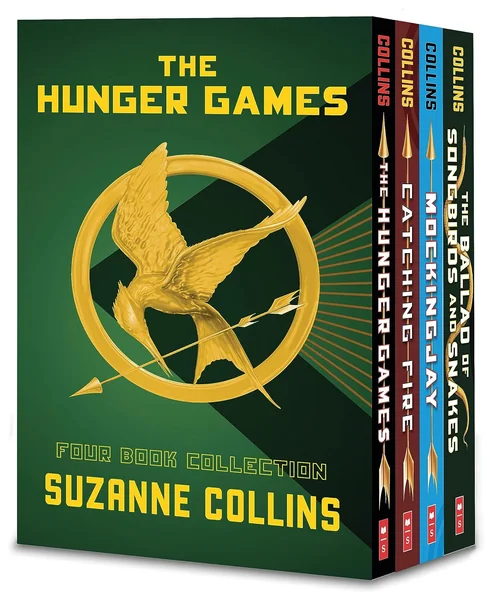
What the Box Set Contains
The Scope and Stakes of the Series
Thematic Depth Across Four Novels
Strengths of the Collection Format
Who This Set Is For
Sources & Further Reading
The key facts and claims in this review are grounded in the retrieved, verified sources listed below.
- 1
Suzanne Collins, Wikipedia
Books like The Hunger Games 4-Book Paperback Box Set
Curated picks for readers who enjoyed The Hunger Games 4-Book Paperback Box Set, with our reasoning for each match.
If you liked The Hunger Games 4-Book Paperback Box Set