BOOKS
Published

Read Time

10 min read

Reader rating

4.7

· 944 Amazon ratings
reader ratings, not a LuvemBooks score
Curated & edited by

LuvemBooks Editorial

How we create our reviews →
Share This Review

A Whale of the Wild by Rosanne Parry Review: A Sweeping Orca Adventure for Middle-Grade Readers

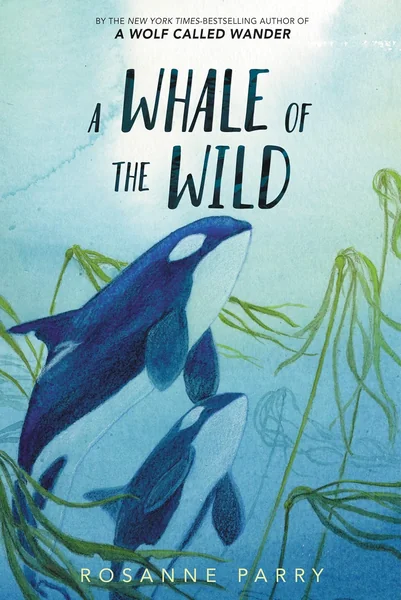
Rosanne Parry's stand-alone companion to the New York Times–bestselling A Wolf Called Wander follows Vega, a young orca leading her brother across the Salish Sea to reunite with their pod. A middle-grade survival adventure built on real marine ecology, it earned a starred Booklist review and strong read-aloud positioning.
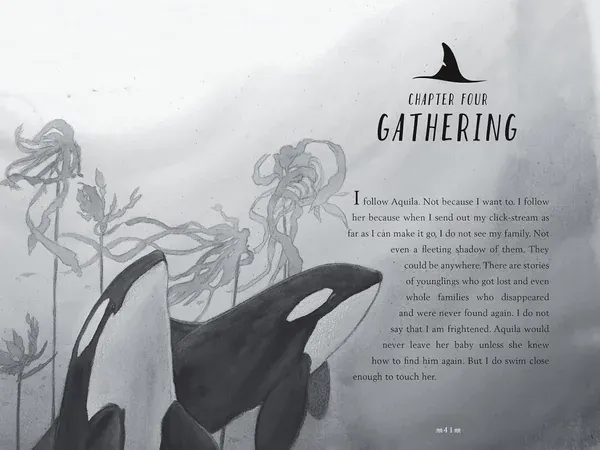
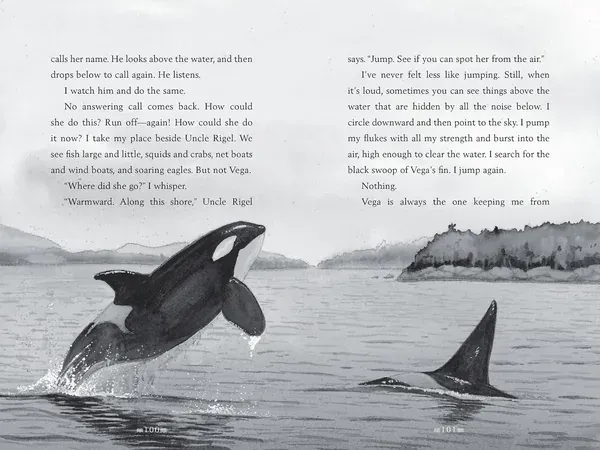
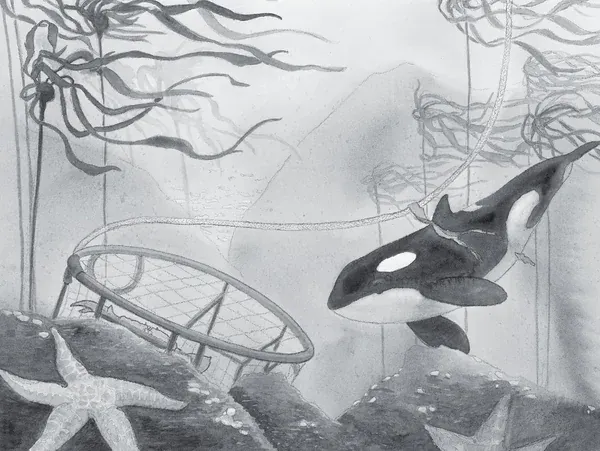
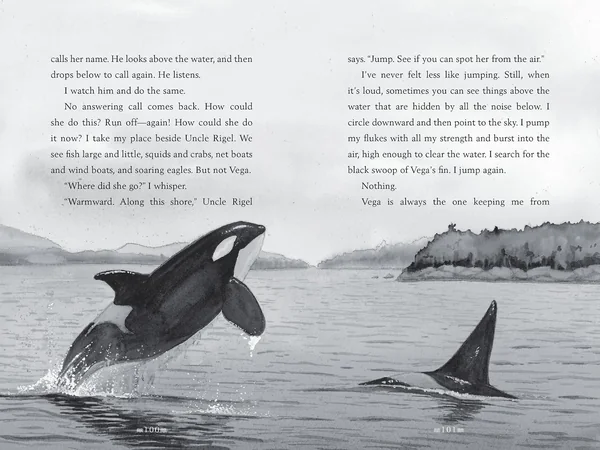
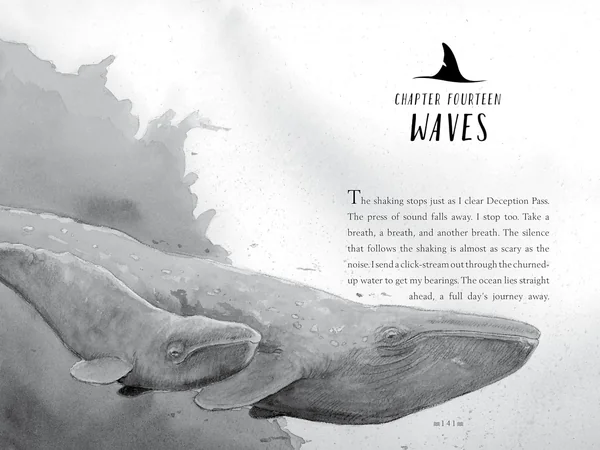
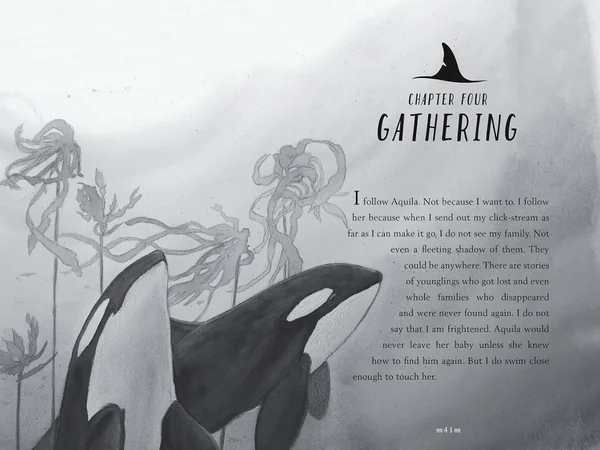
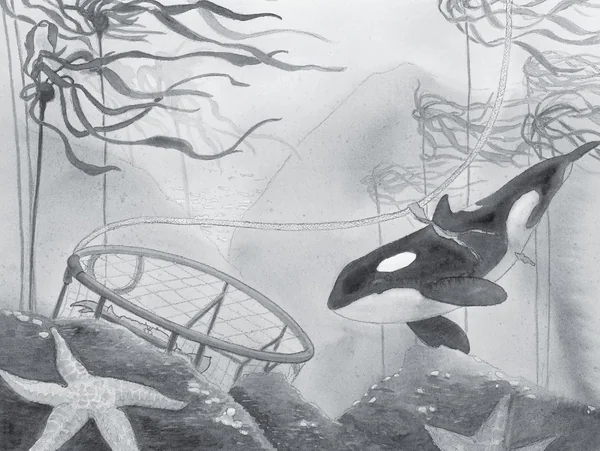
Interior chapter opening spread featuring two orcas illustrated in grayscale among seaweed, with chapter title and opening text.Interior illustration spread showing two orcas in water with forested coastline, accompanying narrative text about an orca's ocean journey.Interior illustration showing an orca swimming near a starfish and sunken boat among seaweed in grayscale watercolor.Tap to enlarge

LuvemBooks Verdict

Best for

Middle-grade readers (ages 8–12) who loved animal-narrated stories like The One and Only Ivan or Pax, and families or educators seeking a substantial read-aloud that folds real Salish Sea ecology into a survival adventure.

Worth it if

It's worth picking up if you want a stand-alone animal adventure whose orca protagonists and survival plot double as an introduction to the real, documented pressures on the Salish Sea's marine life.

Skip if

Skip it if the reader strongly prefers human protagonists or light escapism, or is a sensitive younger reader for whom sustained, concrete peril — a shark attack, hunger, polluted waters — may be too intense.

Kirkus Reviews praised the novel as "a dramatic, educational, authentic whale of a tale," noting that its realistic black-and-white illustrations enhance the maritime setting. Retailer listings from AbeBooks and Still North Books carry the book's marketing endorsements, including a critical coverage starred review calling it "a spellbinding, heart-stopping adventure," while the author's own site features praise describing it as "both thrilling and lyrical."

A dramatic, educational, authentic whale of a tale... realistic black-and-white illustrations enhance the maritime setting.

Kirkus Reviews
Sources: Kirkus Reviews, AbeBooks, Still North Books, RosanneParry.com
4.7from 944 Amazon ratings— reader ratings, not a LuvemBooks score

Age & Reading Level

Recommended age

Ages 8–12

Reading level

Middle grade

Content to know about

sustained animal peril, including a shark attack and hunger
separation of young animals from their family
ocean pollution and documented threats to orcas

Best for: Ages 8+ — pitched at grades 3–7, but the sustained, concrete peril (shark attack, hunger, polluted waters) may be intense for sensitive readers at the younger end of the band; reading aloud lets adults pace those sections.

Skip if you want purely light, escapist adventure or strongly prefer human protagonists — the conservation stakes are the point of this book, not a backdrop.

In This Review
  • What Works & What Doesn't
  • An Orca Sister at the Helm of Her Own Survival Story
  • Ecology as Engine, Not Decoration
  • Writing, Illustration, and Design Intent
  • Reception and Place in the Series
  • Who It's For — and Who Might Hesitate

What Works & What Doesn't

What Works
  • A survival adventure grounded in the real ecology and documented threats facing the Salish Sea's orcas
  • Fully stand-alone — no need to have read A Wolf Called Wander first
  • Strong review attention, including a starred Booklist review quoted in the book's marketing
  • Illustrated by credited illustrator Lindsay Moore, with the art attributed to her rather than the author
  • Pitched by the publisher to work equally well as a family/classroom read-aloud or an independent read for ages 8–12
What Doesn't
  • Sustained, concrete peril — shark attack, hunger, polluted waters — may be intense for sensitive readers at the younger end of the 8–12 range
  • Animal-narrated storytelling will not suit readers who strongly prefer human protagonists
  • Conservation themes run through the whole book, so readers wanting purely light, escapist adventure should look elsewhere
A Whale of the Wild is a confidently pitched middle-grade survival adventure whose documented strengths — real ecological grounding, starred review attention, and genuine read-aloud appeal — outweigh the intensity that may give the most sensitive young readers pause. This review synthesizes the publisher's record and published review coverage; it is not based on an independent hands-on read.

An Orca Sister at the Helm of Her Own Survival Story

Published by Greenwillow Books in September 2020, A Whale of the Wild is the second entry in Rosanne Parry's Voice of the Wilderness series and the stand-alone companion to her New York Times–bestselling A Wolf Called Wander. Where that book followed a wolf across land, this one moves the series underwater: Vega, a young orca, must lead her brother on what the publisher describes as a tumultuous journey to reunite with their pod after the two are separated. The setting is the Salish Sea, the inland Pacific Northwest waters that are home to the real Southern Resident orcas, and the 336-page novel is pitched at readers aged 8 to 12 (grades 3 to 7).
a heart-stopping tale of survival with impeccable research on a delicate ecosystem and threats to marine life
The publisher's synopsis lays out the gauntlet the two young whales face: a shark attack, hunger, the dangers of the deep ocean, and polluted waters, with the running question of whether Vega will grow into the leader her family needs. It is a quest structure — separation, ordeal, reunion — built around a sibling bond rather than a lone hero, which gives the survival plot an emotional through-line aimed squarely at middle-grade readers.
Interior chapter opening spread featuring two orcas illustrated in grayscale among seaweed, with chapter title and opening text.

Ecology as Engine, Not Decoration

What distinguishes this entry on the publisher's own description is how thoroughly the natural world drives the fiction. The book is billed as weaving "a heart-stopping tale of survival with impeccable research on a delicate ecosystem and threats to marine life," and its stated themes include family bonds, survival, global warming, and a changing seascape. The obstacles Vega faces are not generic adventure perils; they are the documented pressures on the Salish Sea's orcas — contaminated water, food scarcity, an altered environment — folded into the plot.
That makes the novel a deliberate two-for-one: an animal adventure that also functions as an introduction to marine ecology. The publisher positions it for "fans of The One and Only Ivan and Pax," which accurately signals the tradition it belongs to — animal-narrated middle-grade fiction that treats its non-human protagonists with seriousness and uses their perspective to make environmental stakes felt rather than lectured. For classrooms and families, that dual purpose is the core of the book's appeal.
Interior illustration spread showing two orcas in water with forested coastline, accompanying narrative text about an orca's ocean journey.

Writing, Illustration, and Design Intent

Parry is a New York Times–bestselling author, and the book's marketing copy quotes the New York Times Book Review describing the novel as a "dreamily written, slyly educational, rousing maritime adventure" — a characterization that matches the book's stated design of smuggling natural history inside a page-turner. The same copy highlights what it calls Parry's fluid writing paired with Lindsay Moore's artwork, which the publisher credits with bringing the Salish Sea and its inhabitants to life. Moore is the credited illustrator, and the art is hers, not the author's — a relevant distinction for buyers comparing illustrated middle-grade editions.
Structurally, the book is presented as equally suited to two reading modes: an independent read for confident middle-graders and a read-aloud for families or classrooms. That dual framing matters in practice for the 8-to-12 band, where a single title often has to serve both a solo reader and an adult-led setting.
Interior illustration showing an orca swimming near a starfish and sunken boat among seaweed in grayscale watercolor.

Reception and Place in the Series

Review coverage carried in the book's marketing has been strongly positive. Critical coverage gave it a starred review, quoted as calling it "a spellbinding, heart-stopping adventure," alongside critical coverage praise noted above. These are the kinds of endorsements that typically anchor a middle-grade title's library and school adoption, and they align with the publisher's positioning of the book as both an adventure and a teaching text.
Within the series, A Whale of the Wild sits among Parry's stand-alone Voice of the Wilderness novels, which also include A Wolf Called Wander, A Horse Named Sky, and A Wolf Called Fire. "Stand-alone" is doing real work here: each book follows a different animal in a different landscape, so nothing in this volume requires familiarity with Wander. Readers who connect with Vega's story have a natural shelf of companions to move to, and readers who haven't touched the series lose nothing by starting in the water.
Interior illustration spread showing two whales swimming underwater with churned water and light filtering from above.

Who It's For — and Who Might Hesitate

The clearest fit is the middle-grade animal-story reader: kids who loved Ivan or Pax, families looking for a substantial read-aloud, and educators who want narrative fiction that carries real ecological content. The 336-page length and the publisher's dual read-alone/read-aloud framing give it more range than a slimmer chapter book.
Two honest qualifications apply. First, the peril is sustained and concrete — the synopsis itself foregrounds a shark attack, hunger, and polluted waters — so particularly sensitive readers at the younger end of the age band may find stretches of it tense; adults reading aloud can pace those sections. Second, this is unapologetically an animal-narrated conservation story; readers who want human protagonists or purely light escapism should know that the environmental stakes are the point of the book, not a backdrop. For its intended audience, though, the combination of survival plotting, sibling loyalty, and a real, imperiled ecosystem is exactly what the review attention suggests it delivers.

Sources & Further Reading

The key facts and claims in this review are grounded in the retrieved, verified sources listed below.

  1. Cited in this review
  2. 1
  3. Further reading
  4. 2