
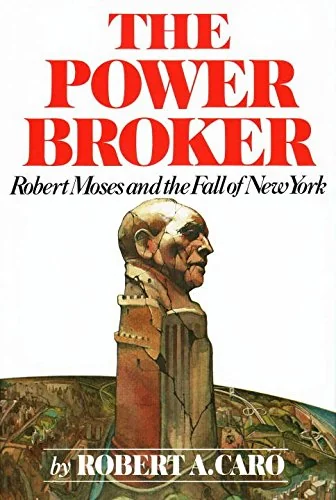
The Power Broker: Robert Moses by Robert A. Caro
by Robert A. Caro
4.8
Other articles on this book
How Unelected Officials Accumulate Political Power: Lessons from Robert Moses
Robert Moses reshaped New York for 44 years without winning a single election — revealing how unelected officials quietly accumulate lasting power.
1 min read
Frequently asked questions
How did Robert Moses hold power without being elected?
Moses chaired public authorities — quasi-governmental bodies that issued bonds and collected tolls outside normal legislative budgets. That independent revenue stream made him financially autonomous. He compounded this by stacking 12 simultaneous government positions, meaning no single elected official could override him across all his domains at once.
What is a public authority and why does it resist democratic oversight?
A public authority is a government-created entity that operates outside the standard annual appropriations process. It can borrow money via bonds and generate revenue through fees or tolls without needing yearly legislative approval. This structural separation from the budget process insulates its leadership from the political pressure that normally keeps elected officials accountable.
How do unelected bureaucrats use federal funding to expand their power?
Officials who build the legal frameworks, technical staff, and agency relationships needed to receive federal grants gain a decisive advantage when large funding programs launch. Money flows to whoever is best positioned to absorb it. This allows unelected administrators to commit cities or regions to major projects before elected bodies formally weigh in.
Can unelected government officials be removed from power?
Yes, but it rarely happens cleanly. Unelected power tends to erode rather than end abruptly — typically when political coalitions shift, external funding dries up, or public opposition reframes the official's projects as harmful. Structural tools like sunset clauses and legislative oversight of enabling statutes are the most reliable preventive mechanisms.
What lessons does Robert Moses's career offer for modern democratic governance?
Moses's career shows that institutional design matters as much as electoral design. When quasi-governmental bodies control independent revenue, hold overlapping jurisdictions, and outlast elected administrations, they can accumulate power that rivals elected government. Robust oversight, press freedom, and periodic review of enabling statutes are the primary checks.