Simon Singh
1
Books ReviewedAsk LuvemBooks about Simon Singh
- Where should I start?
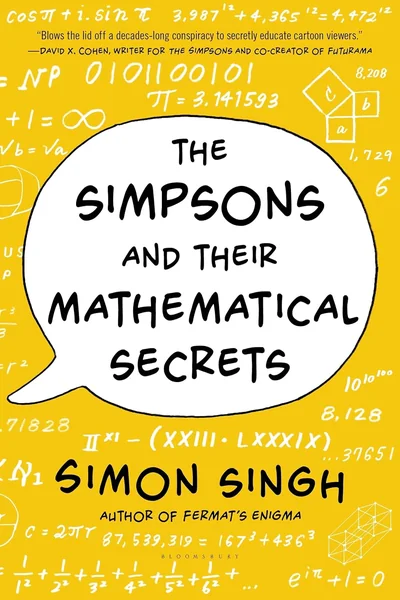
- The Simpsons and Their Mathematical Secrets is the natural starting point from our reviewed titles. It works well as a first Singh book because the familiar hook of The Simpsons lowers the barrier to entry, while the mathematical content gives you a genuine taste of how seriously he takes his subjects. Readers who enjoy it will find the same methodical, evidence-led approach runs through all of his work.
- What's their writing style?
- Singh writes like a scientist who genuinely believes the evidence is the most interesting part of the story. He structures his books around a central mystery or problem and then works through the history and logic methodically, letting the argument build rather than relying on dramatic shortcuts. His tone is precise but never cold, and he has a dry wit that surfaces in unexpected places — particularly evident in The Simpsons and Their Mathematical Secrets, where the subject matter gives him obvious room to be playful.
- Books we've reviewed
- We have reviewed one Simon Singh title so far. The Simpsons and Their Mathematical Secrets holds an Amazon reader rating of 4.4/5 from over 1,300 ratings — it uses the mathematical knowledge hidden inside The Simpsons writing staff as a framework for exploring everything from prime numbers to Euler's equation.
- What genre does Simon Singh write?
- Singh writes popular science, specifically at the intersection of mathematics and the history of scientific ideas. His books are non-fiction works that treat a single subject — a theorem, a code, a cosmological theory — as the spine of a larger narrative about how human beings have pursued knowledge. The Simpsons and Their Mathematical Secrets, reviewed here, sits squarely in the Science and Nature category but carries enough cultural commentary to appeal beyond a strictly science-reading audience.
- What should I read after The Simpsons and Their Mathematical Secrets?
- If the mathematical ideas in The Simpsons and Their Mathematical Secrets caught your interest, Singh's own Fermat's Last Theorem is the obvious next read — it covers number theory in considerably more depth and is widely regarded as his most accomplished book. For something with a different focus but the same methodical style, The Code Book applies a similar historical-narrative approach to cryptography.
Who is Simon Singh?
Follow up
Synthesized from verified book data & published reviews · How we review
Press Enter to ask. Answers come from our editorial Q&A — start typing to see related questions.
Authors Like Simon Singh

Steven D. Levitt
Steven David Levitt is an American economist and co-author of the best-selling book Freakonomics and its sequels.
2 books reviewed

Stephen J. Dubner
Stephen Joseph Dubner is an American author, journalist, and podcast and radio host.
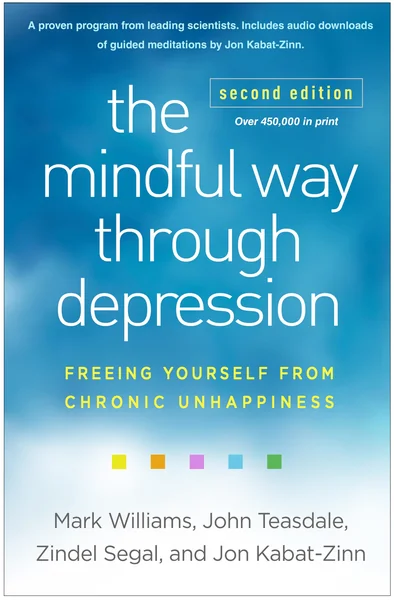
2 books reviewedJon Kabat-Zinn
Jon Kabat-Zinn (born June 5, 1944) is an American professor emeritus of medicine at the University of Massachusetts Medical School, scientist, writer, and meditation teacher. He is the creator of the Stress Reduction Clinic and the founder of Mindfulness-Based Stress Reduction (MBSR). His books include *Full Catastrophe Living* (1990) and *Wherever You Go, There You Are*, among others.
3 books reviewed
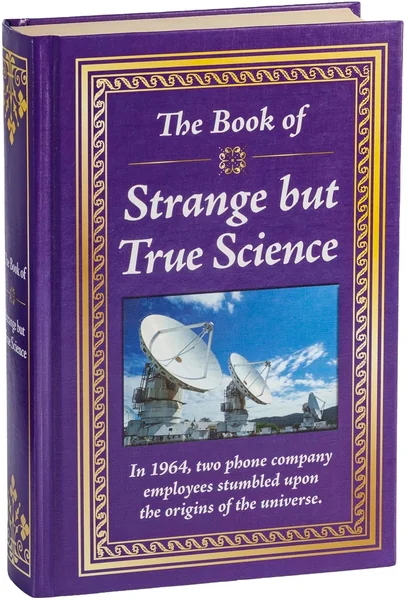
Publications International Ltd.

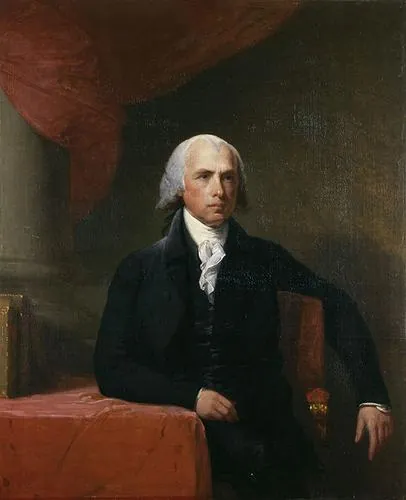
James Madison
James Madison, the pen name of Charles Aronstein (August 27, 1870 – March 27, 1943), was an American theatre manager, writer, and publisher, best known for writing and publishing the periodical *Madison's Budget*.
1 book reviewed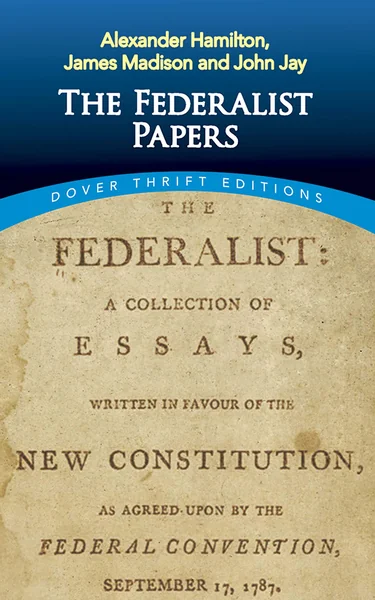
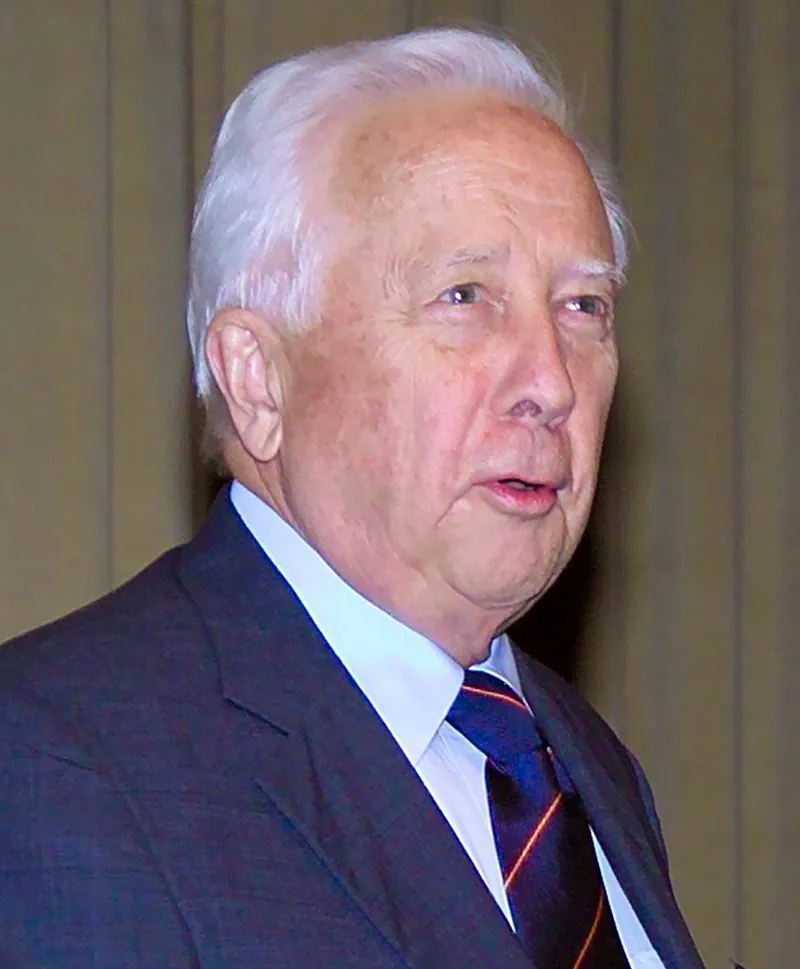
David McCullough
Born in 1933 and educated at Yale, **David McCullough** transformed American popular history by bringing the past to vivid life through masterful storytelling.
1 book reviewed