Alex Haley
American
1921 – 1992
Alexander Murray Palmer Haley was an American writer and the author of the 1976 book Roots: The Saga of an American Family. ABC adapted the book as a television miniseries of the same name and aired it in 1977 to a record-breaking audience of 130 million viewers. In the United States, the book and miniseries raised the public awareness of black American history and inspired a broad interest in genealogy and family history. Haley's first book was The Autobiography of Malcolm X, published in 1965, a collaboration through numerous lengthy interviews with Malcolm X.
On LuvemBooks, we've reviewed The Autobiography of Malcolm X.
1
Books ReviewedAlex Haley books in order
11 books; 1 reviewed on LuvemBooks. Dates and covers from Amazon.
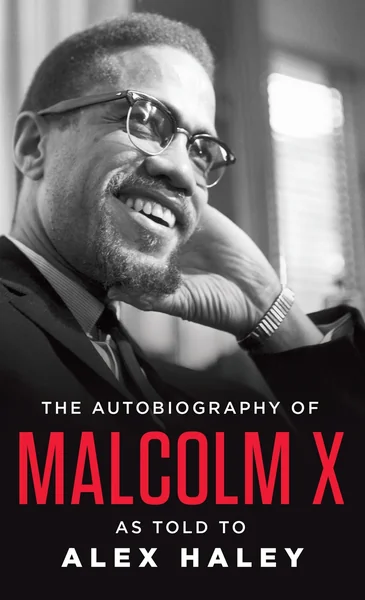
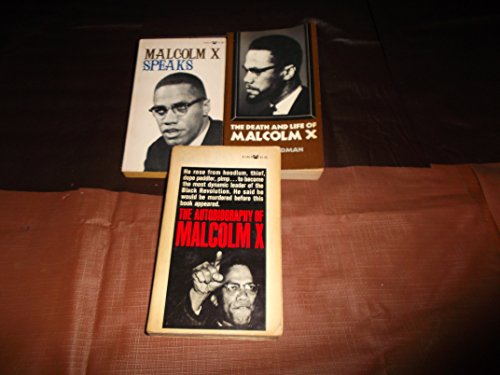 1965Malcolm XAmazon ↗
 1965The Autobiography of Malcom XAmazon ↗
 1974RootsAmazon ↗
 1988A Different Kind of ChristmasAmazon ↗
 1992Our review →
 1992Viva Mexico!Amazon ↗
 1993Never Turn Back: Father Serra's MissionAmazon ↗
 1993The Playboy InterviewsAmazon ↗
 1993Alex Haley's QueenAmazon ↗
 1998Mama Flora's FamilyAmazon ↗
 2007The Man Who Traced America's Roots: His Life, His WorksAmazon ↗
Ask LuvemBooks about Alex Haley
Alex Haley is best known for work that reconstructs African American history through deeply personal narrative — most visibly in The Autobiography of Malcolm X, where he shaped Malcolm's own voice into one of the most direct and unsparing accounts of race, faith, and self-reinvention in American literature. LuvemBooks has reviewed one book by Haley, and it carries a reader rating of 4.8 out of 5 on Amazon. His signature approach is collaborative and documentary: he worked from extensive interviews and oral testimony to let his subjects speak with authority rather than filtering their experiences through a detached third-person lens.
- Where should I start?
- The Autobiography of Malcolm X is the natural starting point for any reader new to Alex Haley, and it happens to be the only title we have reviewed. It works as an introduction not just to Haley's method — patient, interview-driven, deeply collaborative — but also as a standalone classic of American biography that rewards readers with no prior knowledge of its subject. Its reader rating of 4.8 out of 5 on Amazon, drawn from nearly 700 ratings, reflects how consistently it lands with a wide range of readers decades after publication.
- What's their writing style?
- Haley's most distinctive quality as a writer is his discipline as a listener and recorder: he subordinates his own prose personality to give his subject maximum authority on the page, which in The Autobiography of Malcolm X means the narrative voice is unmistakably Malcolm's — urgent, precise, and at times combative — rather than a biographer's smooth paraphrase. He favors chronological structure and grounds abstract themes, such as racial identity or religious transformation, in the concrete detail of lived experience. His epilogue to The Autobiography is worth reading closely as one of the rare places where Haley steps forward in his own voice and reveals the craft and difficulty behind the project.
- Books we've reviewed
- We have reviewed one book by Alex Haley on LuvemBooks: The Autobiography of Malcolm X (co-authored with Malcolm X), a foundational work of American biography that follows Malcolm's life from poverty and crime through his years as a Nation of Islam minister to his final, evolving political and spiritual outlook — it carries a reader rating of 4.8 out of 5 on Amazon.
- What genre does Alex Haley write?
- Haley worked primarily in biography, memoir, and narrative history — genres that share a commitment to real people and documented events but differ in how much creative reconstruction they permit. The Autobiography of Malcolm X sits squarely in biography and memoir, shaped from Malcolm's own words. Roots is harder to categorize: it is grounded in historical research but fills narrative gaps with dramatized scenes, placing it at the intersection of history and historical fiction.
- What should I read after The Autobiography of Malcolm X?
- If the historical and political sweep of The Autobiography of Malcolm X is what drew you in, Roots is the obvious next step — it applies a similar impulse (reconstructing a suppressed or lost African American history) to an even broader canvas spanning generations. For readers more interested in Malcolm X himself, Manning Marable's Malcolm X: A Life of Reinvention (2011) offers a rigorously researched complement that revisits and in some places revises the account Haley and Malcolm constructed together.
Who is Alex Haley?
Where should I start?
What's their writing style?
Books we've reviewed
What genre does Alex Haley write?
What should I read after The Autobiography of Malcolm X?
Who is Alex Haley?
Alexander Murray Palmer Haley (1921–1992) was an American writer best known for two landmark works: The Autobiography of Malcolm X (1965), co-written with Malcolm X, and Roots: The Saga of an American Family (1976), which traced his own ancestry back to West Africa. Roots won the Pulitzer Prize Special Award and the National Book Award and was adapted into a hugely influential television miniseries. Haley spent much of his career as a journalist before turning to long-form biography and narrative history, and his work played a significant role in bringing African American history and genealogy into mainstream public consciousness.
Follow up
What is Roots about?
What did Alex Haley do before writing books?
Synthesized from verified book data & published reviews · How we review
Press Enter to ask. Answers come from our editorial Q&A — start typing to see related questions.
Authors Like Alex Haley

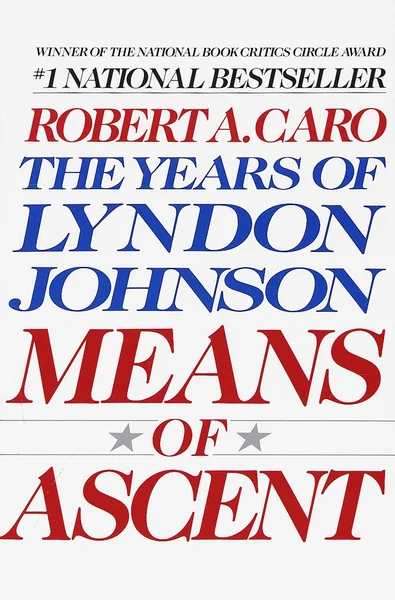
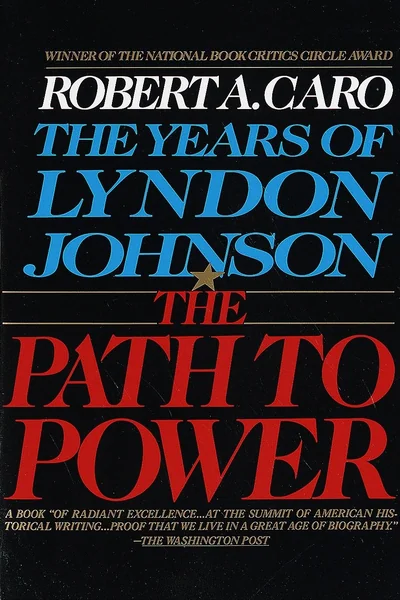
Robert A. Caro
Biography & Memoir
Politics & Society
History
Robert A. Caro’s The Power Broker examines twentieth-century racial and institutional power, showing how political machinery shaped Black lives from the other side of the equation.
5 books reviewed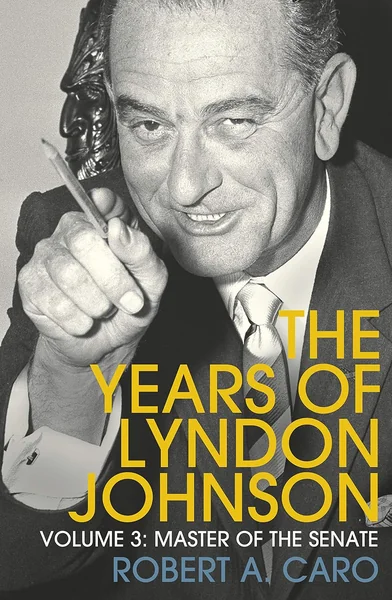
N
Nelson Mandela
Biography & Memoir
Politics & Society
History
Nelson Mandela's Long Walk to Freedom offers another unflinching political autobiography charting a Black leader's transformation through injustice, incarceration, and evolving ideology.
1 book reviewed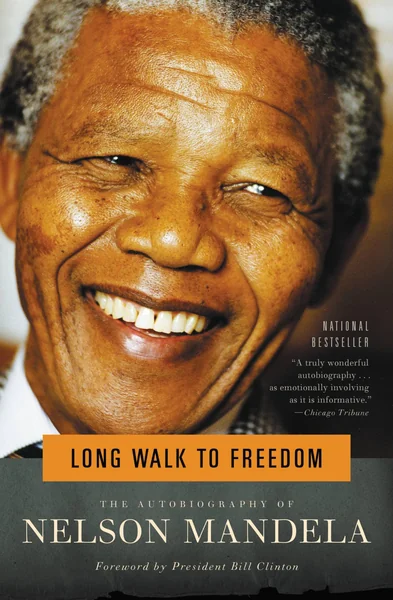

Yeonmi Park
Biography & Memoir
Politics & Society
Yeonmi Park's In Order to Live shares Haley's focus on identity forged through oppression, escape, and self-reinvention as ideology shapes and breaks a person.
1 book reviewed
M
Maryanne Vollers
Biography & Memoir
Politics & Society
Maryanne Vollers’s In Order to Live shares Alex Haley’s focus on co-authored survivor memoirs exploring personal reinvention, oppression, and how ideology shapes an individual.
2 books reviewed
E
Eddie Jaku
Biography & Memoir
History
Eddie Jaku's The Happiest Man on Earth shares Alex Haley's focus on historical atrocity, offering a memoir of concentration camp survival narrated with determined warmth.
1 book reviewed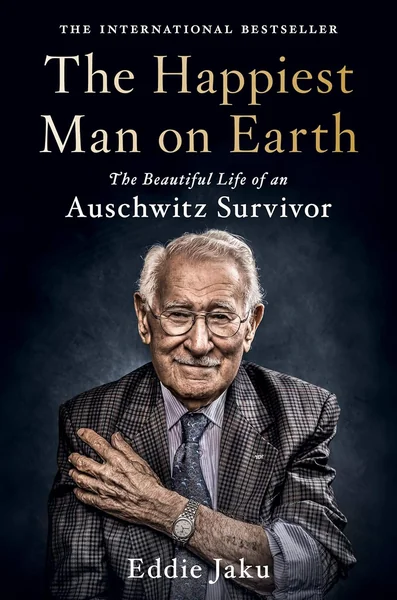
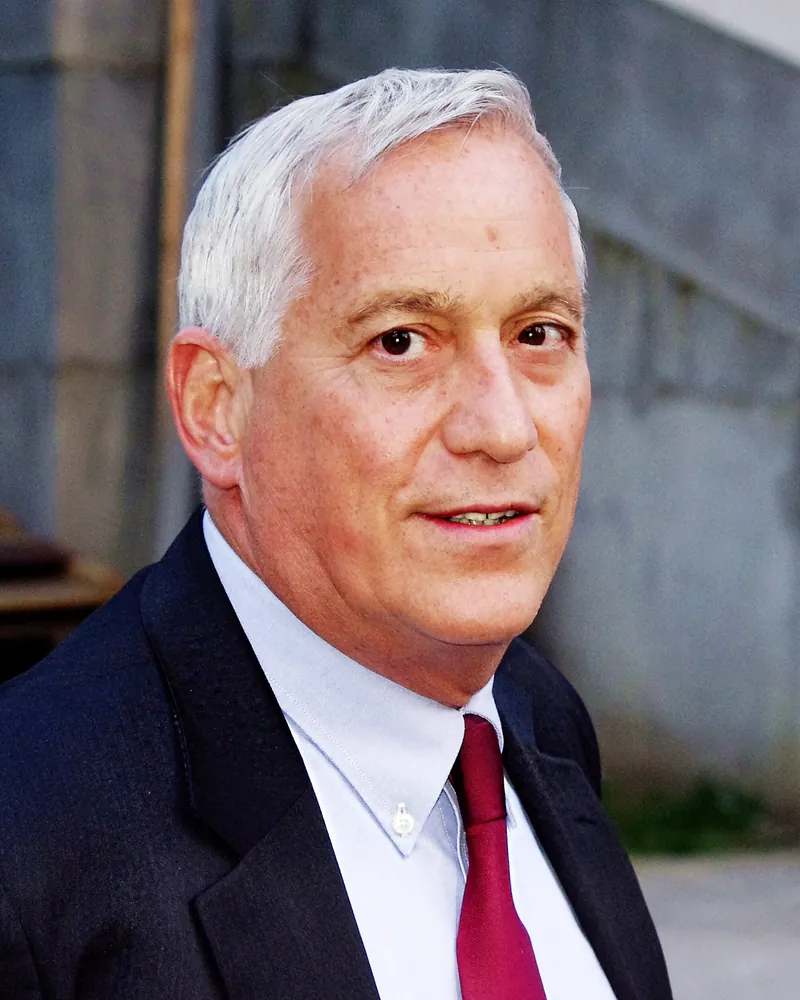
Walter Isaacson
Biography & Memoir
History
Walter Isaacson's Einstein examines a life shaped by a transforming intellect, sharing Alex Haley's focus on powerful ideas forged under pressure.
3 books reviewed