Benjamin Labatut
Born 1980
Benjamín Labatut is a Chilean writer.
On LuvemBooks, we've reviewed When We Cease to Understand the World.
1
Books ReviewedBenjamin Labatut books in order
1 books; 1 reviewed on LuvemBooks. Dates and covers from Amazon.
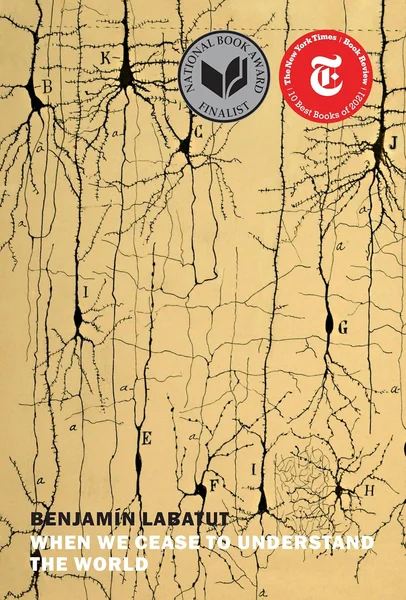 2020Our review →
Ask LuvemBooks about Benjamin Labatut
Benjamín Labatut is a Chilean writer whose work blurs the boundary between fiction and nonfiction, using the lives of real scientists to probe the moral and psychological costs of discovery. We have reviewed 1 of their books so far: When We Cease to Understand the World, which braids figures like Fritz Haber and Werner Heisenberg into a meditation on scientific breakthrough and its human fallout. That book holds a 4.4/5 reader rating from 5,926 Amazon ratings.
- Where should I start?
- Start with When We Cease to Understand the World — it's the only Benjamín Labatut book we've reviewed, and the one that defined their international reputation. It was named one of the 10 Best Books of 2021, and its 4.4/5 reader rating from 5,926 Amazon ratings suggests it resonates broadly.
- What's their writing style?
- Based on When We Cease to Understand the World, Labatut writes in a hybrid mode that erases the line between documented fact and fiction. Their approach takes real historical figures — scientists like Fritz Haber and Werner Heisenberg — and builds a narrative around the moral and psychological consequences of their work.
- Books we've reviewed
- We've reviewed 1 book by Benjamín Labatut: When We Cease to Understand the World, a hybrid fiction-nonfiction work about revolutionary scientists and the moral costs of their discoveries. It holds a 4.4/5 reader rating from 5,926 Amazon ratings.
- What genre do they write?
- On our site, When We Cease to Understand the World is categorized as Literary Fiction. More precisely, it's a hybrid of fiction and nonfiction — a form that uses real scientists' lives as raw material for literary storytelling.
- What themes does Labatut explore?
- In the book we've reviewed, When We Cease to Understand the World, the central theme is the moral cost of scientific discovery. The book examines how the work of figures like Fritz Haber and Werner Heisenberg carried profound psychological and ethical consequences.
- What should I read after When We Cease to Understand the World?
- When We Cease to Understand the World is the only Labatut book we've reviewed, so we can't yet point you to another of their titles from our coverage. If you finish it, check the author hub for future reviews as we expand our Labatut coverage.
Who is Benjamin Labatut?
Where should I start?
What's their writing style?
Books we've reviewed
What genre do they write?
What themes does Labatut explore?
What should I read after When We Cease to Understand the World?
Who is Benjamin Labatut?
Benjamín Labatut is a Chilean writer known for hybrid fiction-nonfiction that draws on the lives of real scientists. Their book When We Cease to Understand the World, translated from Spanish by Adrian Nathan West, was named one of the 10 Best Books of 2021 and holds a 4.4/5 reader rating on Amazon from 5,926 ratings.
Follow up
What is When We Cease to Understand the World about?
How well do readers rate Labatut's work?
Synthesized from verified book data & published reviews · How we review
Press Enter to ask. Answers come from our editorial Q&A — start typing to see related questions.
Authors Like Benjamin Labatut
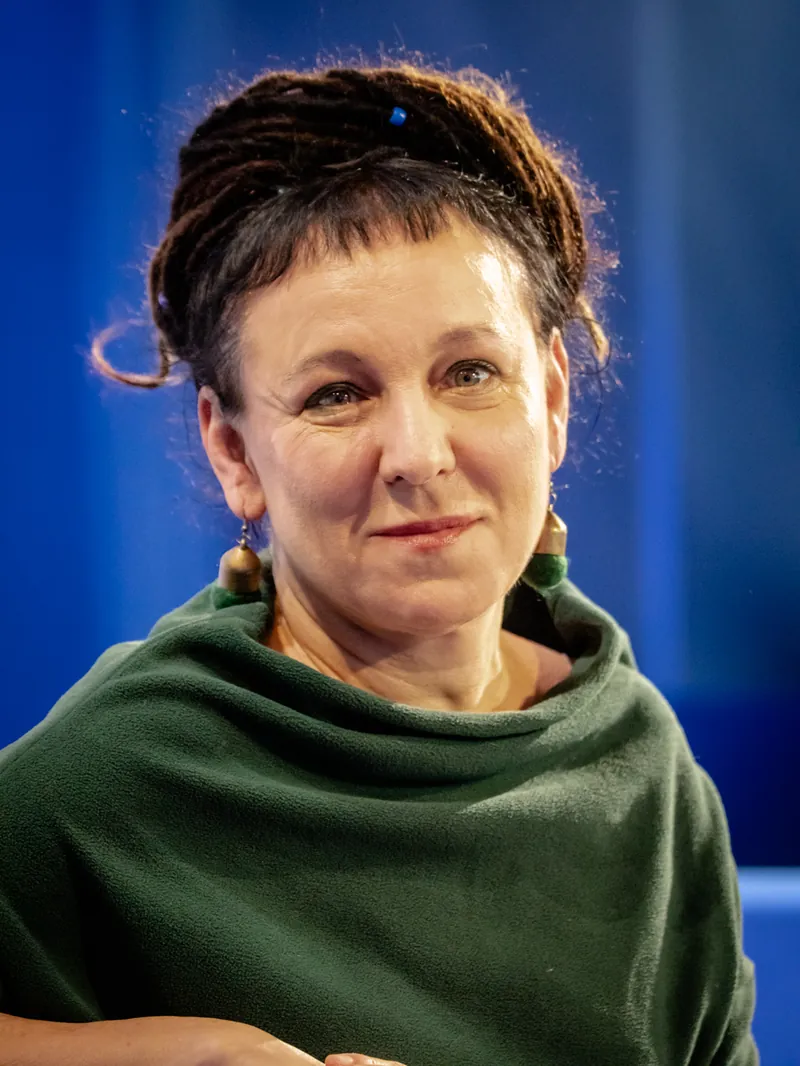
Olga Tokarczuk
Literary Fiction
Flights shares Labatut's essay-fiction form and refusal to stay inside single genres, blending documented fact with invented interior life across linked fragments.
1 book reviewed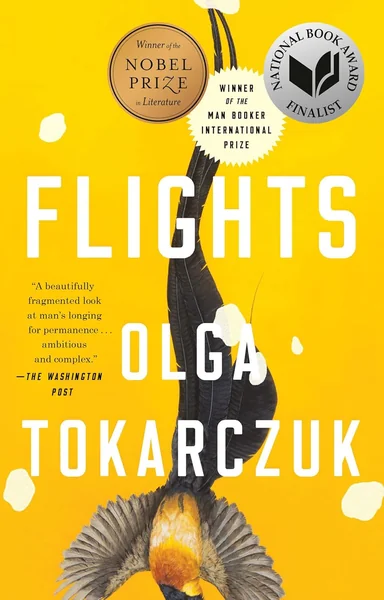
P
Philos Fablewright
Literary Fiction
Philos Fablewright's Curious similarly weaves fiction, philosophy, and science, threading real ideas through narrative while incorporating humor to explore life's biggest questions.
1 book reviewed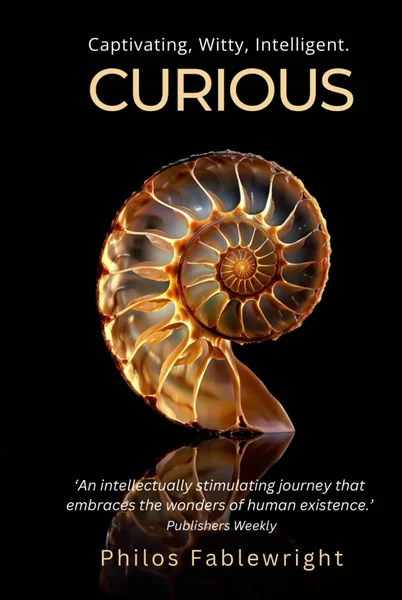
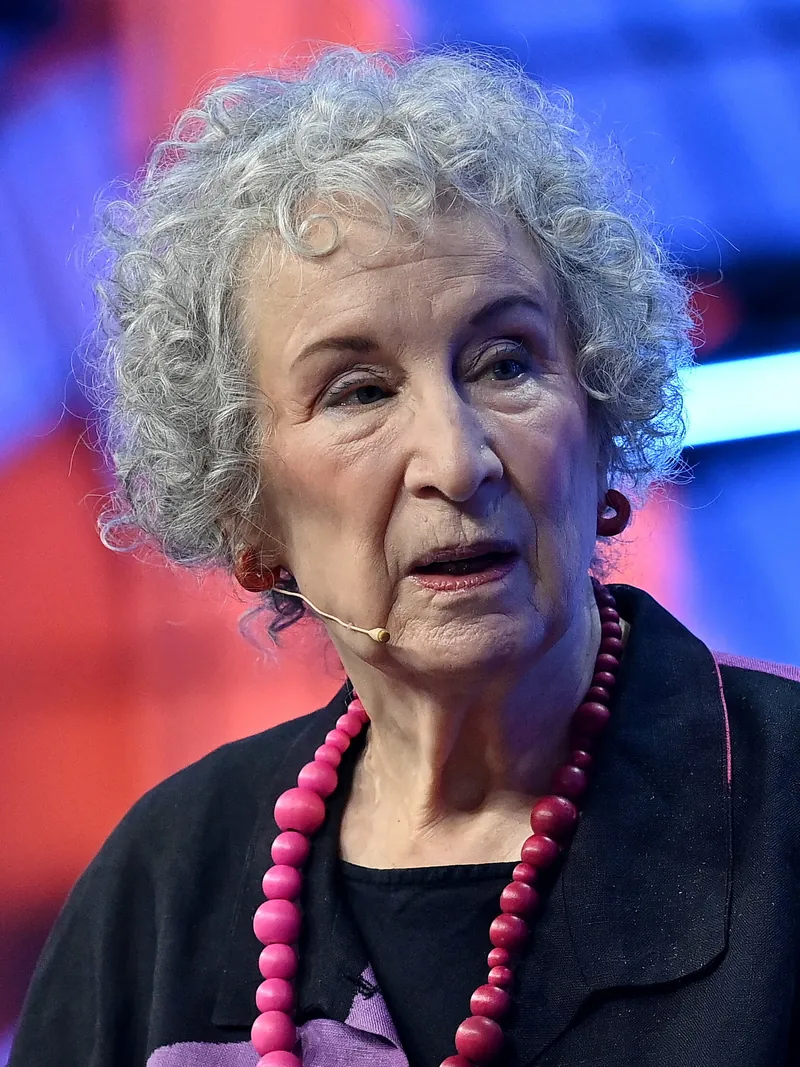
Margaret Atwood
Literary Fiction
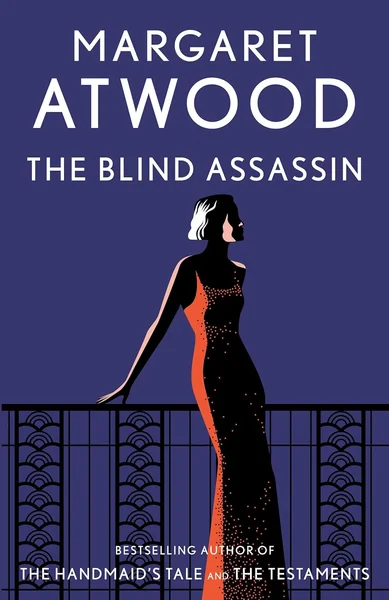
Margaret Atwood's The Blind Assassin shares Labatut's nested storytelling, using formal layers to trace how secrecy, brilliance, and moral failure destroy those closest to them.
2 books reviewed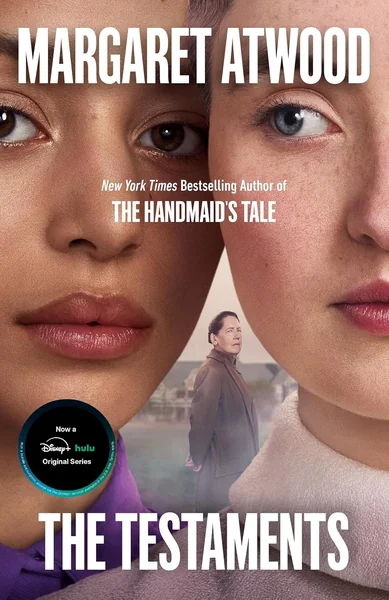
N
Nikki Erlick
Literary Fiction
Nikki Erlick’s The Measure touches a similar philosophical nerve, examining what happens when humans gain knowledge they cannot ethically handle.
1 book reviewed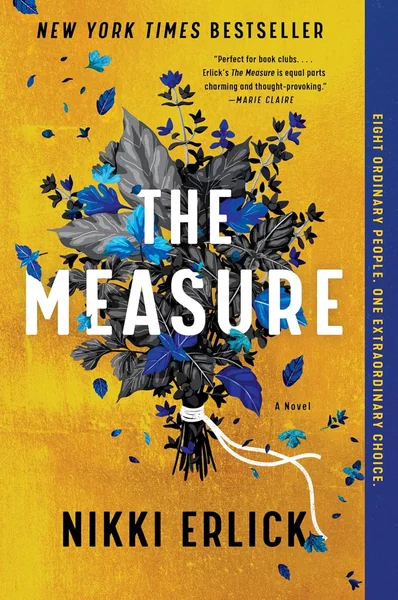
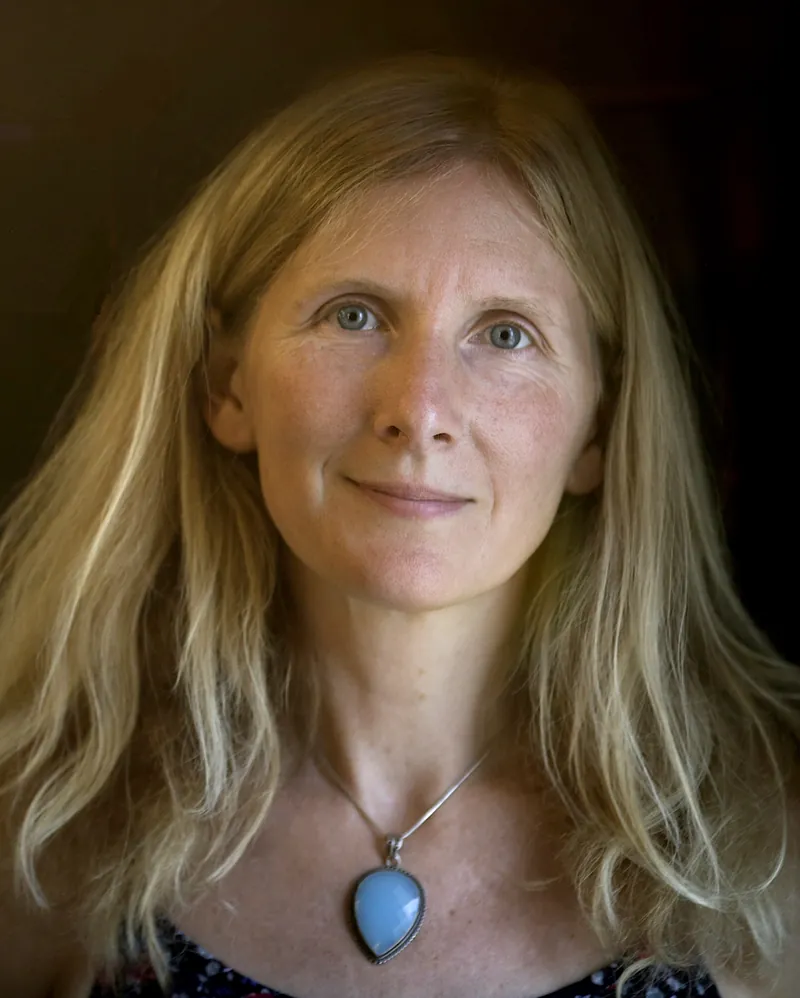
Samantha Harvey
Literary Fiction
Samantha Harvey’s Orbital similarly weaves science and dread into elegant prose, letting ideas about human limits carry the narrative weight.
1 book reviewed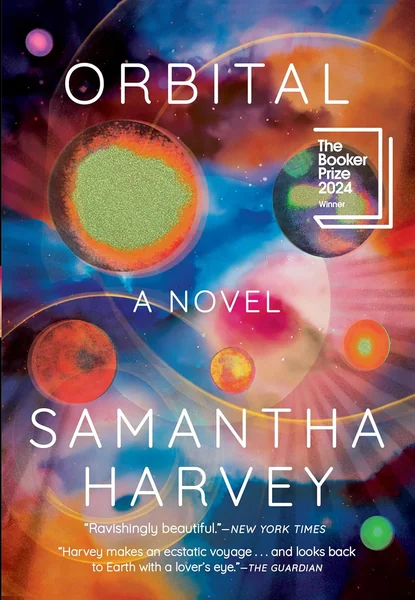
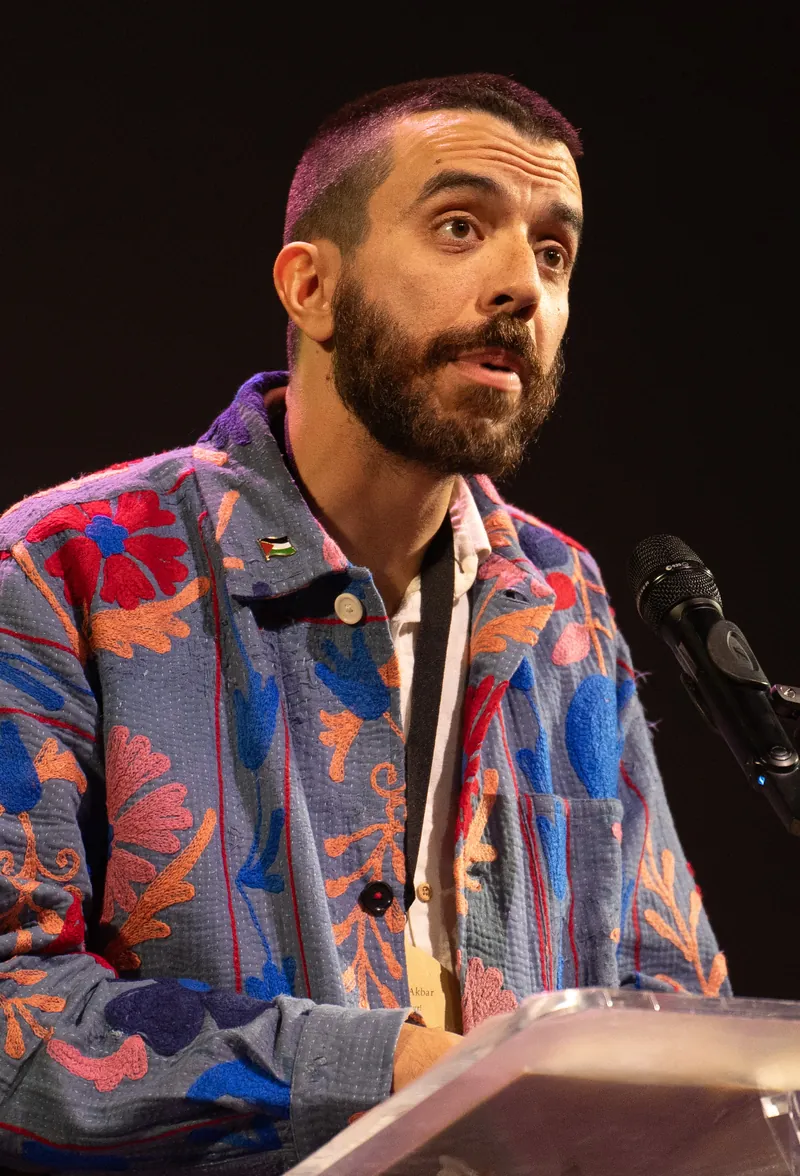
Kaveh Akbar
Literary Fiction
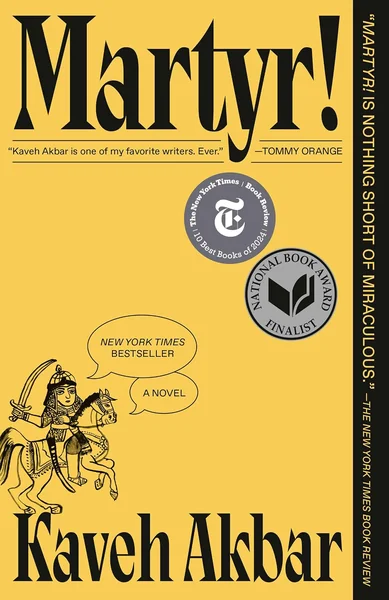
Kaveh Akbar’s novel Martyr! carries the same philosophical electricity found in Labatut's writing, examining obsession and the cost of pushing thought to its limit.
1 book reviewed