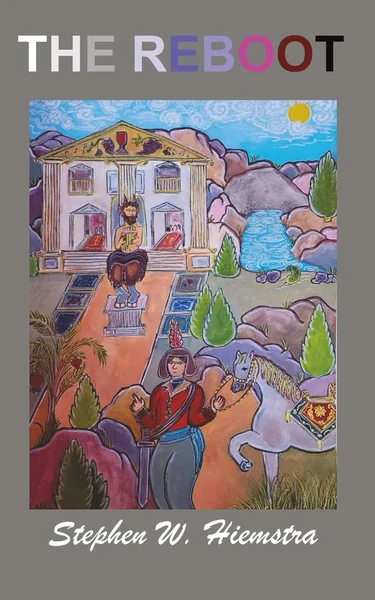
A Tale of Two Worlds
Hiemstra structures his narrative around the lives of young people caught between sacred and secular worldviews. The title itself - "Jeez and the Gentile" - hints at the cultural and religious tensions that drive the plot forward. Rather than preaching easy answers, the author allows his characters to wrestle with genuine doubts and questions.
The novel's pacing reflects real teenage experience. Some chapters move quickly through dramatic moments, while others slow down to explore internal conflicts. This isn't the breakneck speed of typical YA fiction, but rather a more contemplative approach that gives readers space to think alongside the characters.
Characters Searching for Truth
The protagonists feel authentic rather than idealized. They make mistakes, ask uncomfortable questions, and sometimes choose poorly. Perfect for readers who want characters with genuine flaws rather than perfect role models. The dialogue captures how teens actually speak about serious topics - sometimes awkward, often insightful, occasionally profound.
Hiemstra avoids the trap of making his religious characters either saints or hypocrites. Instead, he presents people of faith as complex individuals navigating real challenges. The "gentile" characters bring their own wisdom and perspectives, creating opportunities for meaningful dialogue rather than conversion narratives.
Faith Without Preaching
Unlike most Christian YA novels, The Reboot doesn't feel like a sermon disguised as fiction. Hiemstra trusts his readers to draw their own conclusions from the situations he presents. Religious themes emerge naturally from character conflicts rather than being imposed from outside.
The spiritual content focuses more on questions than answers. What does it mean to have faith in a skeptical world? How do we treat people who believe differently? Can ancient wisdom speak to modern problems? These explorations will resonate with teen readers regardless of their religious background.
Where It Stumbles
The novel's contemplative pace may frustrate readers expecting typical YA adventure. Some scenes feel more like philosophical discussions than dramatic moments. The main weakness lies in occasional didactic passages where the author's voice overwhelms his characters' natural development.
Secondary characters sometimes exist primarily to represent different viewpoints rather than feeling like complete people. The book works better when focusing on its main protagonists than when trying to address every possible perspective on faith and culture.
Worth the Thoughtful Journey?
The Reboot succeeds as a conversation starter about serious topics often avoided in young adult literature. Highly recommended for mature teens who enjoy character-driven stories over action-packed plots. Parents will appreciate the book's respectful treatment of different belief systems and its emphasis on thinking critically about important questions.
Not recommended for readers seeking escapist fantasy or romance. This book demands engagement with complex ideas and won't satisfy those looking for light entertainment.