A Designer's Practical Approach to Home Styling
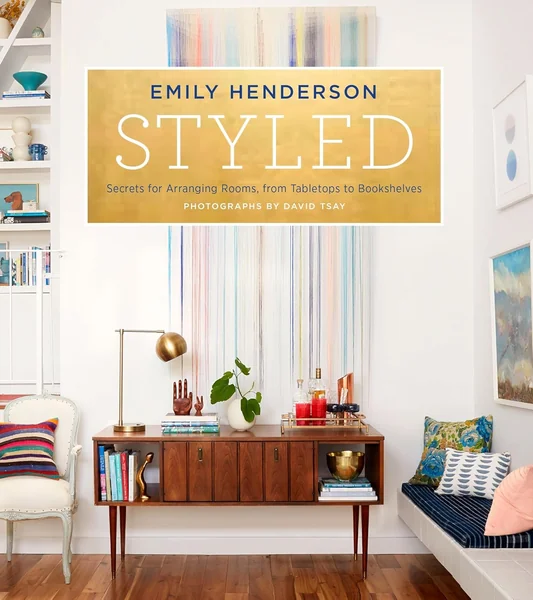
Is Styled worth buying for someone looking to transform their living space? Emily Henderson and Angelin Borsics deliver a comprehensive guide that moves beyond generic decorating advice to offer specific, actionable strategies for arranging every corner of your home. Unlike coffee table books that prioritize pretty pictures over practical guidance, Styled focuses on teachable techniques that readers can implement immediately.
Henderson, known for her approachable design philosophy, teams with Borsics to create a resource that feels more like having a knowledgeable friend guide you through design decisions than reading a formal manual. The book tackles the intimidating world of interior design by breaking it down into manageable, room-by-room strategies that work for beginners without talking down to more experienced decorators.
Fans of The New Decorators will appreciate Henderson's emphasis on personal style over trendy formulas, while those who found books like Domino: The Book of Decorating too aspirational will welcome this more accessible approach.
Henderson's Room-by-Room Strategy
The authors structure their advice around specific spaces rather than abstract design principles. Each section addresses the unique challenges of different rooms, from creating functional coffee table displays to organizing bookshelves that look curated rather than cluttered. Henderson's background in television styling shows in her practical awareness of how spaces actually function for daily living.
The writing strikes an ideal balance between authoritative and conversational. Rather than overwhelming readers with design theory, Henderson and Borsics offer concrete solutions to common styling dilemmas. Their explanations of scale, color coordination, and furniture arrangement avoid interior design jargon while maintaining credibility.
Practical exercises throughout the book encourage readers to assess their own spaces critically. The authors provide frameworks for evaluating what's working and what isn't, then guide readers through systematic improvements.
Visual Learning Through Strategic Photography
The book's photography serves the instructional content rather than simply showcasing beautiful rooms. Before-and-after shots demonstrate the impact of specific techniques, while detailed close-ups highlight styling principles in action. The visual examples span different budgets and home sizes, making the advice feel achievable across various circumstances.
Borsics's contribution appears strongest in the book's visual organization. The layout guides readers through concepts logically, with images that reinforce rather than distract from the text. Unlike most design books, the photography feels purposeful rather than purely aspirational.
The authors include styling mistakes alongside successes, showing readers what to avoid. This honest approach builds credibility and helps readers recognize common pitfalls in their own spaces.
Accessible Design Philosophy
Henderson's design philosophy emphasizes livability over perfection. The book addresses real-world constraints like budget limitations, rental restrictions, and family needs. Rather than promoting expensive solutions, the authors focus on arrangement and styling techniques that maximize impact regardless of budget.
The advice remains consistently practical. Instead of suggesting readers buy entirely new furniture, Henderson and Borsics show how to work with existing pieces more effectively. Their approach to color, texture, and scale provides tools for improving any space without major investments.
For readers who want immediate results, the book's emphasis on styling over renovation proves particularly valuable. Many suggestions can be implemented in an afternoon with items readers already own.
While Henderson's practical approach serves most readers well, the main weakness lies in the book's occasionally formulaic solutions. Certain styling recommendations appear repeatedly across different room types, sometimes feeling like prescribed formulas rather than organic design thinking.
The book works best for traditional home layouts and decorating styles. Readers with very contemporary or eclectic tastes might find the advice less applicable. The emphasis on accessible, mainstream appeal sometimes limits creative possibilities for more adventurous decorators.
Some sections feel more developed than others. The tabletop and bookshelf styling advice proves particularly strong, while guidance for larger furniture arrangements occasionally lacks the same depth and specificity.
Our Take on This Design Guide
Styled succeeds as a practical resource for anyone looking to improve their home's appearance without professional help. Henderson and Borsics deliver actionable advice that readers can implement immediately, making it ideal for beginners while offering enough specific techniques to benefit more experienced decorators.
The bottom line: This book works best for readers who want proven strategies rather than design inspiration. If you're looking for a systematic approach to making your home look more polished and intentional, Henderson's practical wisdom justifies the investment. However, readers seeking cutting-edge design ideas or highly personalized styling approaches might need to supplement this foundational guide with additional resources.