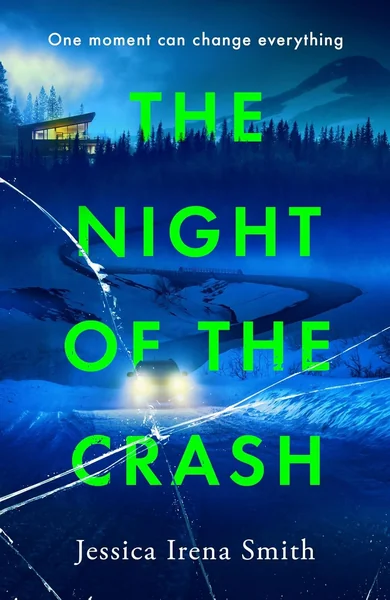
A Mountain of Secrets
Smith sets her thriller against the backdrop of a treacherous mountain road, where a single night changes multiple lives forever. The crash itself serves as both literal event and metaphor—representing how quickly certainty can shatter. The author weaves together multiple perspectives, gradually revealing how each character's version of events differs from the others.
The psychological complexity emerges through Smith's careful handling of unreliable narration. Characters withhold information not just from each other, but from themselves, creating layers of self-deception that feel authentically human. The mountain setting becomes almost claustrophobic as secrets pile up like snow, threatening to bury everyone involved.
Tension That Builds and Breaks
Smith demonstrates solid craftsmanship in her pacing, alternating between quiet character moments and pulse-quickening revelations. Her prose stays clean and accessible, avoiding the purple descriptions that can bog down psychological thrillers. The dialogue feels natural, capturing how people actually speak when they're hiding something.
The main strength lies in Smith's ability to make each revelation feel both surprising and inevitable. She plants clues fairly, respecting readers' intelligence while maintaining genuine suspense. The technical aspects of the writing—sentence structure, paragraph flow, transitions—work smoothly without calling attention to themselves.
However, the middle section occasionally drags as Smith perhaps over-explains certain psychological motivations that readers could infer themselves. A few chapters feel like they're treading water before the final act kicks into high gear.
Characters Caught in the Wreckage
The ensemble cast represents Smith's most ambitious element. Rather than focusing on a single protagonist, she distributes narrative weight among several characters, each carrying pieces of the larger puzzle. The survivors of the crash wrestle with varying degrees of culpability, creating a moral complexity that elevates the material above standard thriller fare.
The relationships feel authentic, particularly the way trauma both bonds and divides people. Smith understands how shared crisis can create intimacy while simultaneously breeding mistrust. Characters make believable mistakes—poor decisions that stem from recognizable human weaknesses rather than plot convenience.
The weakest link comes from occasional inconsistencies in character voice. One character's internal monologue sometimes sounds too similar to another's, though this flaw doesn't derail the overall effectiveness.
Guilt, Memory, and Truth
Smith explores how memory becomes unreliable under extreme stress, questioning whether objective truth exists when human perception is involved. The novel works best when examining how guilt manifests differently in each character—some through action, others through paralysis, and still others through elaborate self-justification.
The theme of shared responsibility resonates throughout without becoming heavy-handed. Smith allows readers to form their own judgments about each character's culpability rather than dictating moral conclusions. This restraint makes the ethical questions more powerful.
Religious and spiritual elements weave through the narrative as characters grapple with concepts of forgiveness and redemption, though Smith avoids preaching or easy answers.
Where It Stumbles and Soars
The breathtaking ending largely justifies the buildup, though some readers may find it either too neat or not neat enough depending on their preferences for resolution. Smith commits to her conclusion, which is more than many psychological thrillers manage.
The novel's structure—jumping between perspectives and timeframes—occasionally creates confusion rather than suspense, particularly in the early chapters before readers establish their bearings. Some plot threads receive more attention than they merit, while others could use deeper development.
Where the book truly succeeds is in its emotional honesty about trauma's aftermath. Smith doesn't romanticize suffering or suggest that tragedy automatically leads to growth. Characters remain flawed and sometimes unlikable even as they struggle with impossible situations.
The Final Verdict
The Night of the Crash delivers on its promise of a stunning conclusion while offering genuine psychological insight along the way. Smith proves she understands the thriller genre's requirements while bringing enough originality to distinguish her work from countless other domestic mysteries.
This works best for readers who enjoy character-driven suspense over action-heavy plots. If you prefer your thrillers focused on external threats rather than internal conflicts, you might find the pacing too contemplative. However, for readers seeking psychological complexity alongside their page-turning moments, Smith provides both in reasonable measure.
The novel isn't perfect—few debuts are—but it establishes Smith as a thriller writer worth following. The bottom line: this is a solid psychological thriller that respects its readers' intelligence while delivering the emotional impact its title promises.