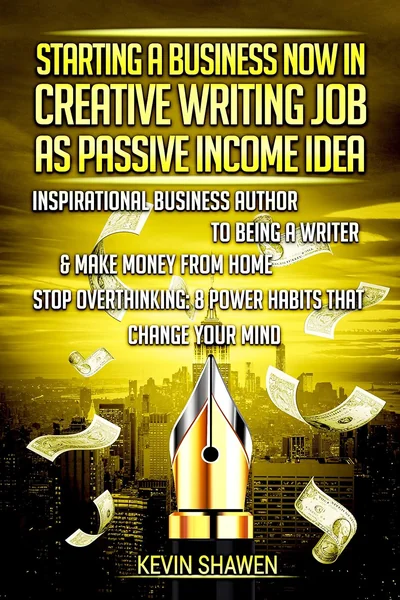
The Entrepreneurial Framework for Writers
Shawen and Elisei structure their approach around treating creative writing as a systematic business rather than hoping for lightning-strike inspiration. The book outlines multiple revenue streams beyond traditional publishing, including content marketing, copywriting services, and digital product creation. This practical framework addresses a common frustration among writers: how to generate consistent income while maintaining creative integrity.
The authors emphasize scalable writing models that can generate passive income over time. They distinguish between active writing services (trading time for money) and passive income strategies where initial creative work continues generating revenue. This distinction proves crucial for writers seeking financial independence through their craft rather than remaining perpetually dependent on client work or publication advances.
The business strategies presented focus heavily on digital platforms and online marketing. While this reflects current market realities, the approach may feel overwhelming for writers who prefer traditional publishing paths or lack technical comfort with digital marketing tools.
Eight Power Habits for Creative Entrepreneurs
The psychological component centers around eight specific habits designed to overcome the overthinking and procrastination that plague many creative professionals. These habits target common mental barriers: perfectionism, imposter syndrome, and the feast-or-famine cycle that characterizes many freelance careers.
The habit formation methodology draws from behavioral psychology principles, though the authors' presentation lacks the depth found in specialized books like Atomic Habits. However, their application specifically to creative challenges adds value for the target audience. The habits focus on consistent daily practices rather than dramatic lifestyle overhauls, making implementation more realistic for working writers.
Each habit connects directly to business outcomes rather than general self-improvement. For example, one habit addresses systematic content creation schedules, while another tackles pricing psychology for creative services. This business-specific focus differentiates the advice from generic productivity content.
Practical Implementation Challenges
The book's greatest strength—comprehensive coverage of both business strategy and habit formation—also presents its primary weakness. Writers seeking deep expertise in either area may find the treatment somewhat surface-level. The business advice covers essential basics but lacks the sophisticated market analysis found in dedicated entrepreneurship guides.
Similarly, the psychological habit formation section provides practical starting points but doesn't match the research depth of specialized behavioral change resources. This broad approach serves beginners well but may leave experienced writers or entrepreneurs wanting more advanced strategies.
The authors assume readers have basic writing competence and focus entirely on the business development aspect. Writers still developing their fundamental craft skills will need to supplement this guide with writing instruction resources.
Market Reality and Income Expectations
Shawen and Elisei address income expectations with reasonable honesty, acknowledging that creative writing businesses require time to develop sustainable revenue streams. They avoid unrealistic promises while maintaining optimism about income potential. However, their examples lean heavily toward online business models that may not suit all writing styles or career preferences.
The book works best for writers already producing content regularly who want to monetize their existing skills more effectively. Writers seeking their first paid opportunities might need additional resources covering portfolio development and client acquisition basics.
The bottom line: This guide serves writers ready to treat their craft as a business venture, offering practical starting strategies and psychological tools for entrepreneurial success. While not groundbreaking in either business or habit formation individually, the combination addresses a genuine need in the creative writing community.