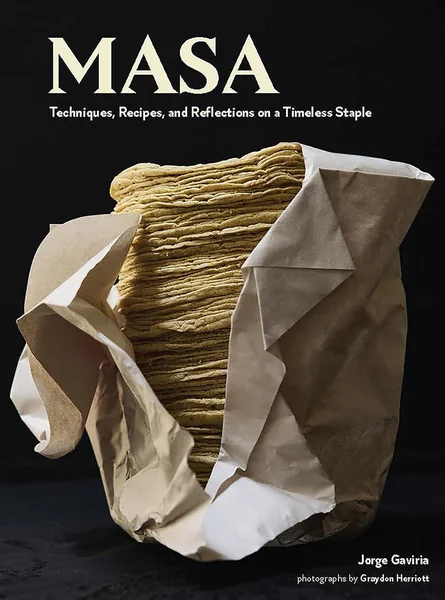
The Ancient Science Behind Modern Cooking
The book opens by demystifying nixtamalization—the alkaline treatment process that makes corn nutritionally complete and workable as masa. Gaviria explains how pre-Columbian peoples discovered that treating corn kernels with ash or lime water not only made the hulls easier to remove but also released bound niacin, preventing pellagra in populations that relied heavily on corn.
For readers interested in food science, these technical sections prove fascinating without becoming overwhelming. Gaviria balances scientific explanation with practical application, showing how understanding the chemistry leads to better results in the kitchen. The author demonstrates how different corn varieties, ash types, and cooking times affect the final masa's texture, flavor, and nutritional profile.
The cultural context woven throughout elevates this beyond a standard cookbook. Gaviria explores how masa preparation traditions vary across regions, from Mexican highlands to Central American lowlands, each adaptation reflecting local corn varieties and cultural preferences.
Traditional Methods Meet Contemporary Kitchens
The strength of this cookbook lies in its practical adaptability. Gaviria doesn't assume readers have access to traditional equipment or specialty ingredients. Instead, he provides techniques for creating authentic masa using modern kitchen tools and readily available cal (food-grade lime).
The recipe sections progress logically from basic masa preparation through increasingly complex applications. Early chapters focus on fundamental techniques—proper hydration ratios, kneading methods, and storage. Later sections explore regional variations and contemporary interpretations that respect traditional methods while acknowledging modern constraints.
Readers seeking authentic flavors will appreciate Gaviria's emphasis on sourcing quality corn. He provides guidance on selecting dried corn varieties and explains how different types—dent corn, flint corn, popcorn—produce distinct masa characteristics. The book includes supplier recommendations and substitution guidelines for readers in different geographic regions.
Beyond Tortillas and Tamales
While tortillas and tamales receive thorough treatment, Gaviria expands the masa repertoire significantly. Recipes include pupusas, sopes, gorditas, and lesser-known preparations like atole and pozole. Each recipe includes cultural background, regional variations, and troubleshooting guidance.
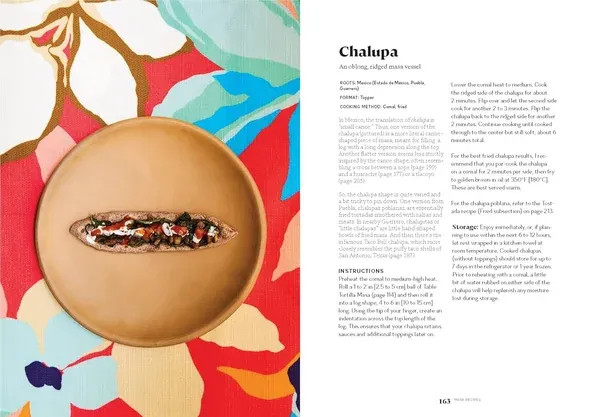
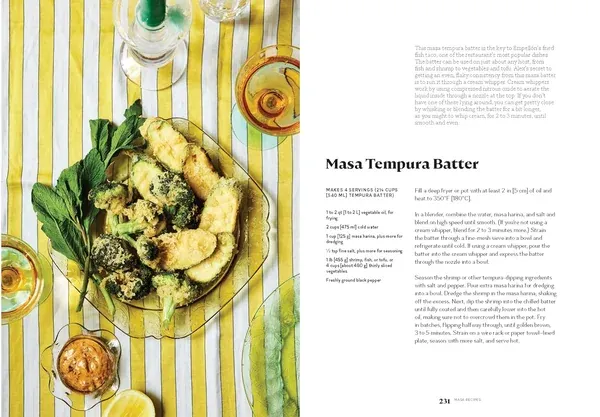
The photography throughout supports learning effectively. Step-by-step images show proper masa consistency, forming techniques, and finished dishes. Unlike many cookbooks where photos feel decorative, these images serve instructional purposes, helping readers identify when masa has reached proper texture or when tortillas are adequately cooked.
The author's approach to recipe scaling deserves mention. Rather than providing only family-sized portions, Gaviria includes guidance for both small batches and larger quantities suitable for meal preparation or entertaining.
Cultural Reflections and Personal Stories
Gaviria intersperses personal narratives throughout the technical content, sharing memories of learning masa techniques from family members and observations from travels across masa-making regions. These stories provide emotional context without overwhelming the instructional material.
The cultural sensitivity evident throughout distinguishes this from cookbooks that appropriate without acknowledgment. Gaviria clearly respects the traditions he's documenting, presenting techniques as inherited wisdom rather than exotic discoveries. This respectful approach extends to discussions of masa's role in indigenous foodways and its continued cultural significance.
Where the Book Stumbles Slightly
The main limitation involves equipment recommendations. While Gaviria provides alternatives for traditional tools, some suggested substitutions work better than others. Home cooks without a powerful food processor or grain mill may struggle with certain techniques, though the author does address this limitation.
Some regional techniques receive more detailed treatment than others. Mexican masa traditions dominate, with Central and South American methods receiving less comprehensive coverage. This focus makes sense given space constraints but may disappoint readers seeking broader geographical scope.
The book occasionally assumes more background knowledge than beginning cooks possess. Terms like "properly hydrated" or "correct consistency" could benefit from more precise definitions, though the photographs help bridge these gaps.
Perfect for Dedicated Home Cooks
Masa works best for readers genuinely interested in technique mastery. This isn't a quick-reference cookbook for weeknight dinners. The time investment required for traditional masa preparation—soaking, cooking, grinding—demands commitment that not every home cook will embrace.
However, for those willing to invest the effort, the results justify the work. Gaviria's techniques produce masa with depth of flavor and texture that commercial masa harina cannot match. The nutritional benefits of properly prepared masa—increased calcium, improved protein quality, enhanced digestibility—provide additional incentive.
Home cooks interested in food preservation will particularly appreciate sections on storing fresh masa and preparing masa for freezing. These practical considerations help justify the time investment by enabling batch preparation.