
BOOKS
Published
Read Time
6 min read
Reader ratingfrom 40,180 Amazon ratings — not a LuvemBooks score
4.6
Share This Review
The Power of Habit by Charles Duhigg Review: Still Relevant in 2026?
Reader rating
4.6
A well-crafted introduction to habit science that remains valuable for newcomers to behavioral psychology, though newer books offer more specific implementation guidance.
In This Review
- What Works & What Doesn't
- The Habit Loop Framework Explained
- Case Studies and Real-World Applications
- Duhigg's Accessible Writing Style
- Strengths and Notable Limitations
- Who Should Read This in 2026
What Works & What Doesn't
What Works
- Clear, accessible explanation of the habit loop framework
- Compelling case studies spanning individual, corporate, and social contexts
- Strong journalistic approach that brings research to life
- Interdisciplinary perspective connecting neuroscience, psychology, and sociology
- Timeless principles that remain relevant despite publication date
What Doesn't
- Optimistic bias that underplays the difficulty of habit change
- Formulaic narrative structure becomes predictable
- Limited coverage of digital-age habit challenges
- Less practical guidance compared to newer behavior change books
The Habit Loop Framework Explained
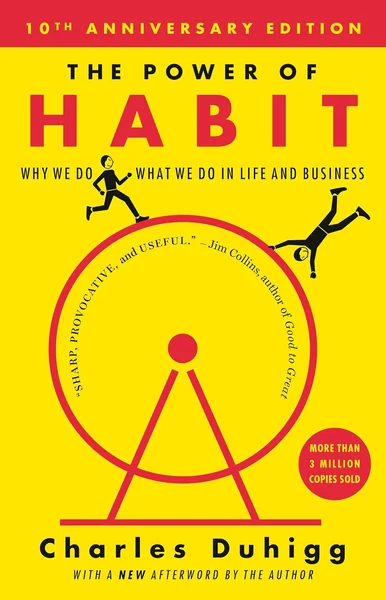
The Power of Habit: Why We Do What We Do in Life and Business by Charles Duhigg front cover
A rigorous but accessible case that one neurological pattern underlies nearly every behavior change worth making — and that understanding it is more than half the battle. The book's central contribution to popular psychology is the habit loop - a neurological pattern consisting of a cue (trigger), routine (behavior), and reward (benefit). Duhigg argues that understanding this loop is the key to changing unwanted behaviors and building beneficial ones. The framework feels almost deceptively simple, but therein lies its strength: practical applicability without overwhelming complexity.
Duhigg demonstrates the loop through diverse examples, from individual struggles with overeating to corporate transformation stories. The neurological basis gets sufficient attention without becoming overly technical, making the science accessible to general readers. This balance between depth and clarity reflects Duhigg's journalistic background - he knows how to translate complex research into engaging narrative.
The approach's versatility becomes apparent as the book progresses through different scales of habit formation. What works for personal behavior change also applies to organizational culture and social movements, though the mechanisms become more complex. This scalability gives the book broader relevance than typical self-help fare — it is as useful to a manager redesigning a team's routines as to an individual trying to quit a bad one.
Case Studies and Real-World Applications
Where The Power of Habit truly shines is in its storytelling. Duhigg profiles Olympic swimmer Michael Phelps and his coach's systematic approach to building performance habits. He examines how Starbucks CEO Howard Schultz transformed company culture through habit-based training programs. The civil rights movement receives analysis through the lens of social habits, with Martin Luther King, Jr.'s strategic use of routine and expectation.
These case studies serve multiple purposes beyond illustration. They demonstrate the research-backed strategies underlying successful habit change while showing how the same principles manifest differently across contexts. The Phelps profile, for instance, reveals how visualization routines became automatic responses to competitive pressure. The Starbucks analysis shows how corporate habits can be deliberately engineered to improve customer service and employee satisfaction.
However, the case study approach occasionally feels selective. Duhigg focuses on success stories without extensively examining failed attempts at habit change. This creates an impression that the habit loop framework works more universally than it might in practice. The main weakness lies in this optimism bias - real habit change often involves more setbacks and complexity than these polished examples suggest.
Duhigg's Accessible Writing Style
Duhigg writes with the clarity expected from a veteran New York Times reporter. His prose flows smoothly between scientific explanation and human interest story, avoiding both academic jargon and oversimplification. The book maintains narrative momentum while delivering substantive content - no small achievement for a work grounded in neuroscience and psychology research.
Duhigg's investigative instincts serve the material well. Rather than accepting surface explanations, he digs into the specific mechanisms behind habit formation and change. His interviews with researchers, executives, and individuals provide concrete details that bring abstract concepts to life. This journalistic approach distinguishes the book from more theoretical treatments of behavioral psychology.
Yet the writing style can occasionally feel formulaic. Each major section follows a similar pattern: introduce a compelling story, reveal the underlying habit mechanics, extract broader lessons. While this structure aids comprehension, it becomes predictable by the book's midpoint. Readers familiar with Malcolm Gladwell's work will recognize this narrative framework, though Duhigg executes it competently.
Strengths and Notable Limitations
The Power of Habit excels at making behavioral science accessible without sacrificing accuracy. The habit loop concept gives readers a mental model they can apply immediately — to a morning snack craving, a procrastination spiral, or a team's entrenched culture. Its reach across neuroscience, psychology, sociology, and business offers multiple entry points for different reader interests.
The real-world focus sets it apart from purely academic treatments. Rather than dwelling on laboratory experiments, Duhigg shows how habit research plays out in actual organizational and personal contexts. This practical emphasis makes the book valuable for readers who want to act on what they learn, not just understand it.
However, the book shows its age in certain respects. Published in 2012, it predates significant developments in behavioral economics and digital habit formation. The rise of smartphone addiction and social media manipulation represents habit challenges that weren't fully apparent when Duhigg was writing. More recent books address these contemporary habit challenges more directly.
The framework, while useful, can also feel overly neat for messy human psychology. Not all behaviors fit cleanly into cue-routine-reward patterns, and habit change often involves emotional and social factors that receive less attention here. The book's optimistic tone may not prepare readers for the genuine difficulty of changing ingrained patterns.
Who Should Read This in 2026
The Power of Habit is the right starting point for anyone new to behavioral science — its Phelps and Starbucks case studies alone make the habit loop concrete in ways that abstract models never do. Business readers will particularly appreciate the organizational case studies and the dissection of how Howard Schultz deliberately rebuilt Starbucks' service culture from the ground up.
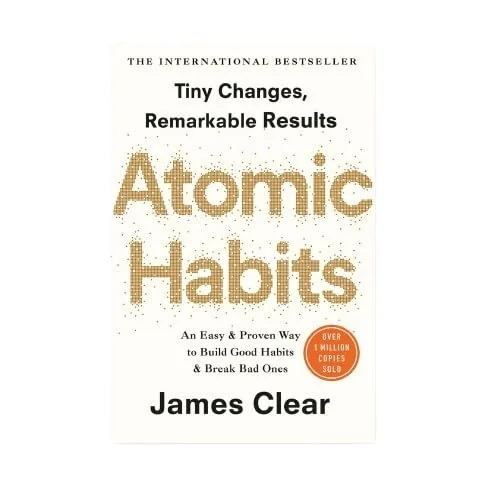
However, readers already familiar with Atomic Habits or other recent behavior change books may find significant overlap. James Clear's work builds on many of Duhigg's insights while offering more specific implementation strategies. For those choosing between the two, consider Duhigg for broader context and storytelling, Clear for actionable systems.
The book works best for readers who learn through examples rather than step-by-step instructions. If you prefer understanding the "why" behind behavioral patterns before tackling the "how" of change, Duhigg's approach will resonate. Those seeking immediate, practical tools might find the book too theoretical despite its real-world focus.
Frequently Asked Questions
is The Power of Habit: Why We Do What We Do in Life and Business by Charles Duhigg worth reading
Yes, especially if you're new to behavioral science — the reviewer gives it 4/5 stars and calls it "highly recommended" for anyone seeking a comprehensive introduction to habit formation. The accessible writing and compelling case studies make complex neuroscience and psychology digestible for general readers. That said, if you've already read Atomic Habits by James Clear, you may find significant overlap.
what is The Power of Habit: Why We Do What We Do in Life and Business by Charles Duhigg actually about
The book centers on the habit loop — a neurological pattern made up of a cue (trigger), routine (behavior), and reward (benefit) — and argues this framework is the key to changing unwanted behaviors and building beneficial ones. Duhigg applies it across individual, corporate, and even social-movement scales, using case studies like Michael Phelps's performance routines and Howard Schultz's transformation of Starbucks. The reviewer notes the framework feels "deceptively simple" but praises it for being practically applicable without overwhelming complexity.
does The Power of Habit: Why We Do What We Do in Life and Business by Charles Duhigg actually work for changing habits
The framework is well-grounded in research and immediately applicable, but the reviewer flags a notable optimism bias: Duhigg focuses heavily on success stories like Michael Phelps and Starbucks without extensively examining failed attempts at habit change. This can leave the impression the habit loop works more universally than it might in practice. The reviewer also notes that not all behaviors fit neatly into cue-routine-reward patterns, and emotional and social factors get less attention than they deserve.
is The Power of Habit: Why We Do What We Do in Life and Business by Charles Duhigg or Atomic Habits better
According to the reviewer, the right choice depends on what you're after: Duhigg offers broader context, richer storytelling, and an interdisciplinary sweep across neuroscience, psychology, sociology, and business, while James Clear's Atomic Habits builds on many of the same insights but delivers more specific implementation strategies. If you've already read one, there's significant overlap with the other. For total beginners, the reviewer suggests starting with Duhigg for the big picture.
is The Power of Habit: Why We Do What We Do in Life and Business by Charles Duhigg good for business readers
Yes — the reviewer specifically calls out business readers as a strong fit, pointing to organizational case studies like Howard Schultz's habit-based training programs at Starbucks and the book's leadership applications. The scalability of the habit loop framework, moving from personal behavior up to corporate culture, gives it broader relevance than typical self-help fare. Duhigg's background as a New York Times reporter also means the writing is clear and narrative-driven rather than dry or academic.
is The Power of Habit: Why We Do What We Do in Life and Business by Charles Duhigg still relevant or is it outdated
The core habit loop framework holds up well, but the reviewer notes the book does show its age in certain areas — published in 2012, it predates major developments in behavioral economics and largely misses the rise of smartphone addiction and social media manipulation as habit challenges. More recent books address those contemporary issues more directly. For foundational habit science and storytelling, it's still valuable; for cutting-edge digital-age applications, you may want to supplement it.
what kind of stories and examples are in The Power of Habit: Why We Do What We Do in Life and Business by Charles Duhigg
Duhigg profiles a wide range of subjects, including Olympic swimmer Michael Phelps and his coach's systematic use of visualization routines, Starbucks CEO Howard Schultz engineering corporate habits to improve customer service, and even the civil rights movement through Martin Luther King, Jr.'s strategic use of routine and social expectation. The reviewer praises these case studies for demonstrating research-backed strategies while showing how the same principles play out differently across contexts. The writing style draws comparisons to Malcolm Gladwell — compelling narrative built around surprising insights.
Sources & Further Reading
The key facts and claims in this review are grounded in the retrieved, verified sources listed below.
- 1
Charles Duhigg, Wikipedia
Related Reviews
Reviews of books we picked for readers who enjoyed The Power of Habit.
Reader Comments
No comments yet
Be the first to share your thoughts!