
BOOKS
Published
Read Time
6 min read
Reader ratingfrom 84,077 Amazon ratings — not a LuvemBooks score
4.8
Share This Review
The Body Keeps the Score by Bessel van der Kolk Review
Reader rating
4.8
A groundbreaking synthesis of trauma research that challenges conventional therapy approaches, though sometimes overwhelming in scope and occasionally overly optimistic about newer treatments.
In This Review
- Revolutionary Science Meets Ancient Wisdom
- Beyond Talk Therapy: The Treatment Revolution
- The Clinical Pioneer Behind the Revolution
- Key Figures in the Trauma Treatment Revolution
- Where the Science Gets Overwhelming
- A Paradigm Shift Worth Wrestling With
A landmark work that earns its reputation through specifics, not status — van der Kolk's case for body-based trauma treatment is methodical, evidence-grounded, and genuinely shifts how the field thinks. Bessel van der Kolk's The Body Keeps the Score has done exactly that for trauma treatment, challenging decades of talk-therapy-only approaches. The answer to whether it's worth reading depends on whether you're ready for a comprehensive, sometimes overwhelming journey through the neuroscience of trauma.
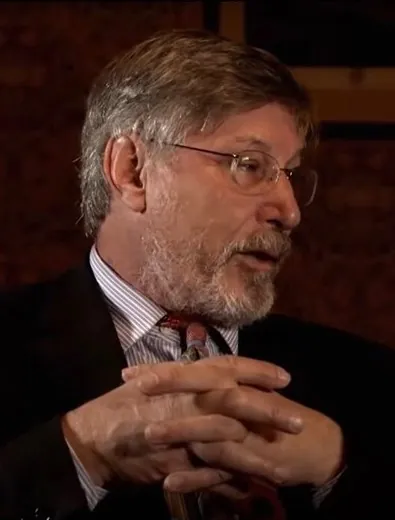
Bessel van der Kolk M.D., a psychiatrist who has spent over four decades treating trauma survivors, presents a radical premise: traditional therapy often fails because it ignores the body's role in storing traumatic memories. Readers familiar with Trauma and Recovery by Judith Herman will recognize some foundational concepts, but van der Kolk goes further, integrating cutting-edge brain research with alternative healing modalities that might raise eyebrows in conventional psychiatric circles.
Revolutionary Science Meets Ancient Wisdom
Van der Kolk's central thesis rests on neuroscientific discoveries about how trauma literally rewires the brain. The book methodically explains how traumatic experiences hijack the brain's alarm system, leaving survivors trapped in states of hypervigilance or numbing disconnection. What sets this work apart from academic trauma literature is van der Kolk's willingness to embrace treatments that conventional psychiatry has long dismissed: yoga, EMDR, theater, and even psychedelic-assisted therapy.
The author draws from brain imaging studies, particularly his groundbreaking work with fMRI scans showing how trauma survivors' brains light up differently when recalling traumatic events. These aren't abstract concepts—van der Kolk makes the neuroscience accessible without dumbing it down, explaining how the amygdala, hippocampus, and prefrontal cortex interact in ways that keep trauma survivors stuck in the past.
Beyond Talk Therapy: The Treatment Revolution
Where The Body Keeps the Score truly shines is in its systematic dismantling of the "just talk about it" approach to trauma therapy. Van der Kolk presents compelling evidence that verbal processing alone cannot address trauma stored in the body's nervous system. Instead, he advocates for body-based interventions that help survivors literally move through their stuck trauma responses.
The book explores everything from traditional therapies like cognitive behavioral therapy (recognizing its limitations) to innovative approaches like neurofeedback and somatic experiencing. Van der Kolk's discussion of EMDR (Eye Movement Desensitization and Reprocessing) is particularly thorough, explaining both the technique and the controversial reception it initially received from the psychiatric establishment.
Perhaps most provocatively, he dedicates significant attention to yoga and mindfulness practices, presenting research showing their effectiveness in helping trauma survivors reconnect with their bodies safely. For readers skeptical of "alternative" treatments, van der Kolk's careful presentation of the scientific evidence is persuasive.
The Clinical Pioneer Behind the Revolution
Van der Kolk brings real credibility to these unconventional approaches. As a key figure in getting PTSD recognized in the DSM and developer of trauma assessment tools, he's not a fringe practitioner pushing unproven treatments. His willingness to challenge psychiatric orthodoxy comes from decades of witnessing traditional approaches fail his most severely traumatized patients.
Van der Kolk's clinical stories, while anonymized, provide powerful illustrations of his theoretical points. His account of working with Vietnam veterans in the early days of PTSD research offers historical context for how trauma treatment has evolved. These case studies never feel exploitative — van der Kolk maintains appropriate clinical distance while conveying the human cost of both trauma and healing.
Key Figures in the Trauma Treatment Revolution
Van der Kolk doesn't present himself as a lone pioneer. The book acknowledges the contributions of other researchers and clinicians who have shaped modern trauma treatment. He discusses the work of Pat Ogden in somatic experiencing and Peter Levine's contributions to understanding trauma's impact on the nervous system.
The book also profiles some of the patients who contributed to breakthrough discoveries, though always with careful attention to confidentiality. These aren't characters in a narrative sense—they're real people whose experiences have advanced scientific understanding of trauma recovery.
Where the Science Gets Overwhelming
The Body Keeps the Score is not without its challenges. At over 400 pages, it can feel overwhelming, particularly for readers who are themselves trauma survivors. Van der Kolk sometimes gets lost in technical neurobiological details that, while fascinating, may lose general readers. The book also suffers from occasional repetition, as if van der Kolk wants to ensure his revolutionary ideas truly sink in.
More concerning is the book's tendency to present newer treatments as panaceas. While van der Kolk is careful to note that different approaches work for different people, his enthusiasm for innovative treatments sometimes overshadows discussion of their limitations or potential risks. The sections on psychedelic therapy, while scientifically grounded, may give readers unrealistic expectations about accessibility or universal effectiveness.
A Paradigm Shift Worth Wrestling With
Despite its flaws, The Body Keeps the Score represents essential reading for anyone serious about understanding trauma — whether personally or professionally. Van der Kolk synthesizes decades of research into a compelling argument that trauma treatment must move beyond talk therapy, anchored in fMRI evidence and the weight of clinical experience.
The book makes complex neuroscience readable without losing rigor. It offers real hope to survivors who have found talk therapy insufficient, and hands clinicians a research-backed map to body-based alternatives. Alongside Judith Herman's Trauma and Recovery it stands as a foundational text — but where Herman centers the politics of trauma, van der Kolk centers the body and its treatment.
Is it perfect? No. Van der Kolk's zeal for his findings sometimes outpaces his critical eye, and the sheer volume of information can be a lot. But for anyone wondering whether The Body Keeps the Score is worth reading, the answer is a qualified yes — if you're prepared for a comprehensive, sometimes challenging exploration of how trauma truly heals.
If you're a trauma survivor who has plateaued in talk therapy, or a clinician looking for evidence-based alternatives, this is the book to reach for.
Frequently Asked Questions
is The Body Keeps the Score: Brain, Mind, and Body in the Healing of Trauma by Bessel van der Kolk worth reading for trauma recovery
The reviewer says the answer depends on whether you're ready for a comprehensive, sometimes overwhelming journey through the latest neuroscience of trauma. Despite its challenges — over 400 pages and occasional repetition — it's called essential reading for anyone serious about understanding trauma, whether personally or professionally.
what is The Body Keeps the Score: Brain, Mind, and Body in the Healing of Trauma by Bessel van der Kolk actually about
At its core, the book argues that traditional talk therapy fails trauma survivors because it ignores the body's role in storing traumatic memories — a direct challenge to decades of therapy-only approaches. Van der Kolk backs this up with fMRI brain imaging research and advocates for body-based treatments like EMDR, yoga, somatic experiencing, neurofeedback, and even psychedelic-assisted therapy.
is The Body Keeps the Score: Brain, Mind, and Body in the Healing of Trauma by Bessel van der Kolk too long or hard to get through
At over 400 pages, the reviewer warns it can feel overwhelming — especially for readers who are themselves trauma survivors — and notes that van der Kolk sometimes gets lost in technical neurobiological details that may lose general readers. There's also occasional repetition, as if the author wants to make sure his more revolutionary ideas truly sink in.
is The Body Keeps the Score: Brain, Mind, and Body in the Healing of Trauma by Bessel van der Kolk similar to Trauma and Recovery by Judith Herman
Readers familiar with Trauma and Recovery by Judith Herman will recognize some foundational concepts, but the reviewer notes that van der Kolk goes further by integrating cutting-edge brain research with alternative healing modalities that might raise eyebrows in conventional psychiatric circles. Think of it as a more neuroscience-forward and treatment-diverse expansion of that foundational work.
does The Body Keeps the Score: Brain, Mind, and Body in the Healing of Trauma by Bessel van der Kolk overhype treatments like EMDR or psychedelic therapy
This is a genuine limitation the reviewer flags: the book has a tendency to present newer treatments as panaceas, and van der Kolk's enthusiasm for innovative approaches sometimes overshadows discussion of their limitations or potential risks. The sections on psychedelic therapy in particular may give readers unrealistic expectations about accessibility or universal effectiveness.
is The Body Keeps the Score: Brain, Mind, and Body in the Healing of Trauma by Bessel van der Kolk good for therapists or just regular readers
The reviewer says it works for both: it makes complex neuroscience accessible without dumbing it down for general readers, while also providing clinicians with evidence-based alternatives to conventional approaches. Van der Kolk's credentials — including his role in getting PTSD recognized in the DSM — give his unconventional recommendations serious professional weight.
does The Body Keeps the Score: Brain, Mind, and Body in the Healing of Trauma by Bessel van der Kolk explain how yoga and mindfulness actually help with trauma
Yes — the reviewer highlights that van der Kolk dedicates significant attention to yoga and mindfulness practices, presenting research showing their effectiveness in helping trauma survivors reconnect with their bodies safely. For skeptical readers, the reviewer found his careful presentation of the scientific evidence genuinely persuasive rather than hand-wavy.
Sources & Further Reading
The key facts and claims in this review are grounded in the retrieved, verified sources listed below.
- 1
Bessel van der Kolk, Wikipedia
Related Reviews
Reviews of books we picked for readers who enjoyed The Body Keeps the Score.
Reader Comments
No comments yet
Be the first to share your thoughts!