is-shield-of-sparrows-worth-reading-review
Is Shield of Sparrows worth reading? Devney Perry's latest romantasy delivers a sweeping enemies-to-lovers narrative that elevates familiar tropes through masterful world-building and emotional depth. This epic fantasy romance doesn't just rely on sexual tension—it builds a complex magical world where sparrows hold ancient power and enemies must choose between vengeance and love.
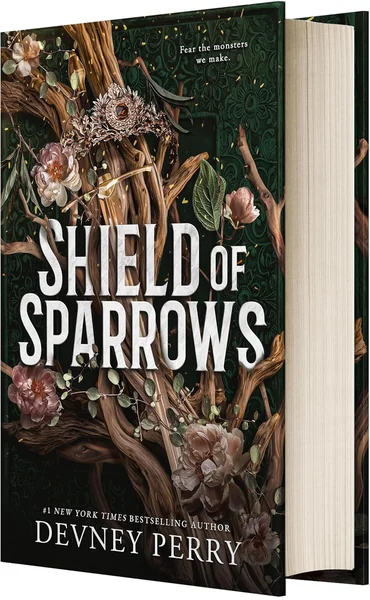
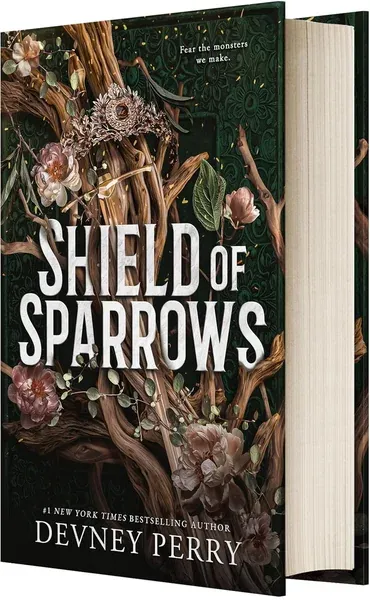
The cover's intricate floral and forest design perfectly captures the book's blend of natural magic and romantic tension. The gold accents and mystical imagery signal readers they're entering a world where nature itself becomes a character in the unfolding romance.
Perry crafts a story that begins with hatred but transforms into something far more complex. The enemies-to-lovers arc feels earned rather than rushed, with both protagonists carrying legitimate grievances that make their eventual attraction feel like a hard-won victory rather than inevitable romance novel mechanics.
Readers familiar with From Blood and Ash by Jennifer L. Armentrout will recognize the epic scope, while fans of Hunt on Dark Waters by Katee Robert will appreciate the mature romantic elements woven throughout the fantasy adventure.
A World Where Magic Lives in Nature
Perry constructs a fantasy realm where sparrows aren't merely birds—they're vessels of ancient magic tied to the land itself. The magic system feels organic rather than mechanical, growing from the natural world rather than imposed upon it. This grounding in nature gives the fantasy elements weight and believability.
The world-building unfolds gradually, revealing layers of history and conflict that inform the central romance. Perry avoids the common fantasy pitfall of overwhelming readers with exposition dumps. Instead, she weaves mythological elements into character interactions and plot developments, making the magical aspects feel integral rather than decorative.
The political tensions that drive the enemies-to-lovers dynamic stem from genuine historical grievances between factions, giving the romantic conflict real stakes beyond personal attraction.
Enemies With Legitimate Reasons
The protagonists don't hate each other due to misunderstandings or petty conflicts—their enmity grows from real harm and competing loyalties. This foundation makes their eventual romantic connection feel like genuine character growth rather than plot convenience.
Perry develops both leads as fully realized individuals with clear motivations, fears, and growth arcs. Neither character abandons their core principles for romance; instead, they must navigate how love can coexist with justice and loyalty to their people.
The supporting cast provides more than romantic obstacles or cheerleaders. Secondary characters carry their own agency and motivations, creating a populated world that feels lived-in rather than constructed solely to serve the main romance.
Romance That Earns Its Heat
The spice level sits firmly in the adult romantasy category without overwhelming the plot development. Perry balances emotional intimacy with physical attraction, building sexual tension through character development rather than relying solely on forbidden desire tropes.
The romantic arc follows a satisfying trajectory from genuine animosity through grudging respect to passionate love. Each stage feels distinct and necessary, avoiding the common romance pitfall of characters flip-flopping between hatred and attraction without clear emotional progression.
Perry writes intimate scenes that serve character development, revealing vulnerability and trust alongside physical desire. The romantic elements enhance rather than overshadow the fantasy adventure plot.
Where It Stumbles Slightly
The pacing occasionally falters during middle sections where world-building takes precedence over character development. Some readers may find certain exposition-heavy chapters slow the romantic momentum.
The magic system, while creative, sometimes lacks clear limitations or rules, making conflict resolutions feel arbitrary rather than earned through established magical logic.
Minor secondary character arcs receive less development than they deserve, particularly given their importance to the protagonists' backgrounds and motivations.
Perfect for Mature Fantasy Romance Readers
Shield of Sparrows works best for readers who enjoy their romantasy with substance. This isn't a quick enemies-to-lovers read—it's an epic fantasy that happens to center a romance. Readers seeking pure romantic fluff may find the political intrigue and world-building too complex.
Fans of Sarah J. Maas and Jennifer L. Armentrout will find familiar emotional territory here, though Perry's approach feels more grounded and less dependent on dramatic plot twists for impact.
The book delivers satisfying romantic payoff while maintaining the fantasy adventure elements that give the romance weight and meaning. Perry proves that enemies-to-lovers can transcend its reputation as a shallow trope when anchored in genuine character development and meaningful conflict.