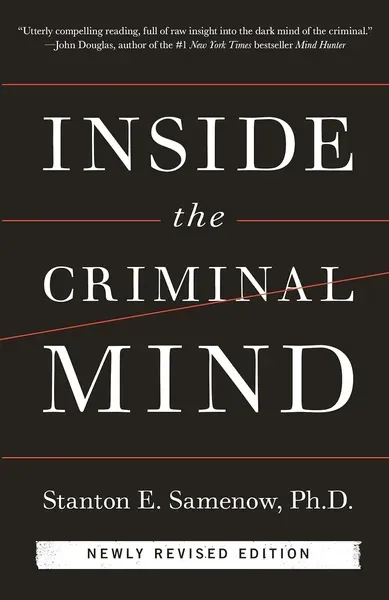
The Core Argument Against Conventional Wisdom
Samenow dismantles popular explanations for criminal behavior with methodical precision. He rejects the notion that poverty, abuse, or mental illness automatically create criminals, pointing to countless individuals who face these challenges without turning to crime. His central thesis rests on what he calls "criminal thinking patterns" - specific cognitive distortions that characterize how offenders view themselves and society.
These thinking patterns include grandiosity, where criminals see themselves as superior to law-abiding citizens; a victim stance, where they blame everyone except themselves; and concrete thinking that focuses only on immediate gratification. Samenow argues these aren't symptoms of underlying problems but fundamental character flaws that drive criminal behavior.
The author's clinical experience with hundreds of offenders provides the foundation for these claims. He describes recurring themes in how criminals rationalize their actions, justify their choices, and manipulate therapeutic relationships. Unlike most criminal psychology books, Samenow doesn't seek to understand or empathize with criminal motivations - he aims to expose them.
A Practitioner's Unflinching Analysis
Samenow writes with the authority of someone who has spent countless hours in therapy sessions with violent offenders, con artists, and repeat criminals. His prose is clinical yet accessible, avoiding both academic jargon and sensationalism. The newly revised edition benefits from decades of refinement, presenting complex psychological concepts in language that general readers can grasp.
The book's structure moves logically from theoretical framework to practical applications. Samenow doesn't merely describe criminal thinking - he demonstrates how these patterns manifest in real situations. His case examples, while anonymized, feel authentic and illustrative rather than contrived.
The writing style reflects the author's no-nonsense approach to criminal behavior. He avoids the sympathetic tone found in many criminology texts, instead maintaining the detached perspective of a clinician documenting pathology. This approach may feel cold to some readers, but it serves his argument that emotional appeals and understanding have failed to rehabilitate career criminals.
Key Insights About Criminal Psychology
The book's most valuable contribution lies in its detailed examination of how criminals think differently from law-abiding citizens. Samenow identifies specific cognitive patterns that transcend demographic boundaries - wealthy white-collar criminals exhibit the same thinking errors as street-level drug dealers.
Criminal thinking patterns include an inflated sense of uniqueness, where offenders believe normal rules don't apply to them. They demonstrate what Samenow calls "zero state" - periods of intense boredom that drive them toward exciting, usually illegal activities. Most significantly, they show remarkable consistency in blaming external factors while taking credit for positive outcomes.
The newly revised edition expands on rehabilitation challenges, explaining why traditional therapy often fails with criminal populations. Samenow argues that criminals become skilled at manipulating therapeutic relationships, telling therapists what they want to hear while maintaining their fundamental thinking patterns. This insight has significant implications for criminal justice policy and treatment programs.
His analysis of victim impact reveals how criminals minimize harm to others while maximizing their own grievances. Even when confronted with evidence of the pain they've caused, offenders typically respond with justifications or deflections rather than genuine remorse.
Where the Analysis Falls Short
The main weakness of Samenow's approach lies in its categorical nature. By rejecting environmental and social factors so completely, he risks oversimplifying complex human behavior. Critics argue that his work ignores substantial research linking childhood trauma, neurological differences, and socioeconomic factors to criminal behavior.
The book also suffers from confirmation bias. Samenow's clinical practice focused on habitual offenders who had failed previous interventions - a population that naturally supports his pessimistic conclusions. Readers won't find much discussion of successful rehabilitation cases or criminals who genuinely reformed their thinking patterns.
His dismissal of root causes feels particularly dated in light of modern neuroscience research showing how trauma affects brain development. While Samenow acknowledges that many criminals experienced abuse, he doesn't adequately address how early experiences might shape the thinking patterns he describes.
The newly revised edition addresses some criticisms but doesn't fundamentally alter the book's rigid framework. Samenow remains committed to his core thesis despite decades of research suggesting more nuanced explanations for criminal behavior.
Relevance for Today's Criminal Justice Debates
For readers interested in criminal justice reform, this book provides essential counterarguments to progressive approaches emphasizing rehabilitation and restorative justice. Samenow's work influenced "tough on crime" policies of the 1980s and 1990s, and his arguments continue to resonate with those skeptical of reform efforts.
The book raises important questions about personal responsibility that remain relevant in contemporary discussions about criminal justice. Even readers who disagree with Samenow's conclusions will benefit from understanding his perspective, particularly given its influence on policy makers and law enforcement professionals.
Criminal justice professionals often cite this work when explaining why certain interventions fail with repeat offenders. Samenow's insights about manipulation and therapeutic resistance provide valuable warnings for those working directly with criminal populations.
However, readers should approach this book as one perspective in a complex field rather than definitive truth about criminal behavior. The author's certainty about criminal thinking patterns contrasts sharply with the humility shown by researchers in related fields who acknowledge the limitations of current knowledge.