A Roman Emperor's Private Journal
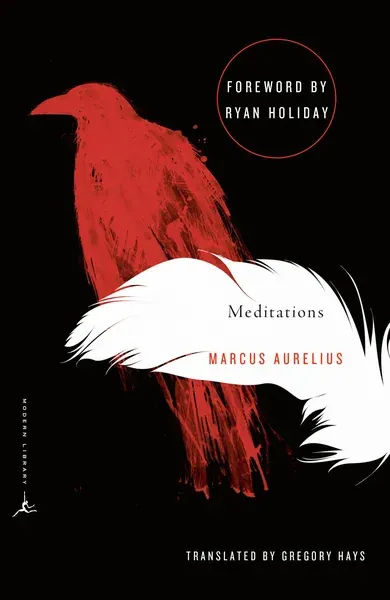
Meditations stands as one of history's most intimate philosophical works—not because Marcus Aurelius intended it for publication, but precisely because he didn't. Written as personal notes to himself while campaigning along the Danube frontier, this collection of thoughts reveals a powerful ruler grappling with the same human struggles we face today: mortality, duty, disappointment, and the search for meaning. The question isn't whether this ancient text contains wisdom—it's whether that wisdom translates meaningfully to modern readers seeking practical philosophy.
Unlike other Stoic works that read as formal treatises, Meditations feels refreshingly conversational. Marcus writes to Marcus, creating an authenticity that more polished philosophical texts often lack. Readers familiar with Letters from a Stoic by Seneca will find a similar accessibility here, though Marcus's tone carries the weight of imperial responsibility that Seneca's more theoretical approach sometimes lacks.
The Mind of a Philosopher-King
Marcus Aurelius brings a unique perspective to Stoic philosophy as someone who actually wielded ultimate power. His reflections on leadership, justice, and moral responsibility aren't abstract theories but the hard-won insights of a man who commanded legions while trying to live by philosophical principles. The tension between his role as emperor and his commitment to Stoic ideals creates a fascinating psychological portrait.
The writing itself varies in quality and focus—hardly surprising for a private journal never meant for publication. Some passages soar with poetic insight about the nature of existence, while others feel repetitive or overly concerned with death. This inconsistency actually enhances the work's authenticity; these are genuine struggles with philosophical concepts, not polished arguments designed to persuade readers.
Stoic Principles in Practice
The philosophical content centers on core Stoic themes: the dichotomy of control (focusing only on what's within our power), the practice of negative visualization, and the cultivation of virtue as the sole good. Marcus repeatedly returns to mortality—not morbidly, but as a tool for maintaining perspective on what truly matters. His frequent reminders about the brevity of life serve as philosophical exercises rather than pessimistic brooding.
What distinguishes Marcus from other Stoic writers is his practical application of these principles to leadership challenges. He grapples with how to maintain equanimity when dealing with incompetent subordinates, how to serve the common good while managing personal ambition, and how to accept the inevitability of death while remaining engaged with life's demands.
The Challenge of Ancient Context
Modern readers may struggle with some aspects of Meditations that reflect its 2nd-century Roman origins. Marcus's acceptance of slavery and his occasional disdain for "barbarians" jar against contemporary values. His stoic resignation toward social inequality can feel troubling to readers who believe in active social reform. These elements don't invalidate the philosophical insights, but they require contextual understanding.
The book's structure—or lack thereof—also presents challenges. Unlike The Obstacle Is the Way by Ryan Holiday, which packages Stoic concepts for contemporary consumption, Meditations offers no clear progression or systematic presentation. Readers seeking a structured introduction to Stoicism might find themselves lost in Marcus's stream-of-consciousness reflections.
Ancient Wisdom for Modern Anxieties
Despite these limitations, Meditations offers remarkable relevance for contemporary readers dealing with stress, uncertainty, and the pace of modern life. Marcus's emphasis on focusing on the present moment anticipates modern mindfulness practices, while his techniques for managing anger and frustration provide practical tools for emotional regulation. His reflections on fame and external validation speak directly to our social media age.
The book works best when approached not as a systematic philosophy text but as a collection of meditative exercises. Readers can dip in randomly, finding passages that resonate with current challenges. This accessibility makes it more practical than comprehensive works like A Guide to the Good Life by William Irvine, though less immediately applicable than contemporary self-help interpretations of Stoic principles.