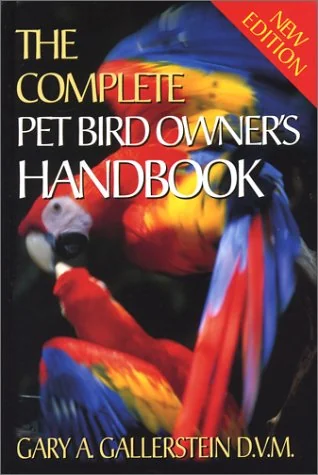
A Veterinarian's Approach to Comprehensive Bird Care
Gallerstein brings veterinary expertise to every aspect of bird ownership, creating a resource that functions both as preventive care manual and emergency reference. The author structures the handbook around practical scenarios bird owners actually face, from selecting the right species to managing complex health issues. This approach distinguishes it from generic pet care guides that treat birds as simple companions requiring only basic maintenance.
The writing maintains clinical precision without becoming inaccessible to lay readers. Gallerstein explains complex veterinary concepts through clear examples and practical applications. For beginners intimidated by bird ownership, the systematic approach provides confidence-building knowledge, while experienced owners will appreciate the detailed medical information typically reserved for veterinary texts.
Species-Specific Guidance and Health Management
One of the handbook's greatest strengths lies in its species-specific approach. Rather than treating all birds identically, Gallerstein acknowledges the significant differences between cockatiels, macaws, canaries, and other popular companion birds. Each species receives dedicated coverage of their unique dietary needs, behavioral patterns, and common health issues.
The health management sections prove particularly valuable, covering everything from routine preventive care to emergency situations. The practical health advice extends beyond basic symptoms to include detailed guidance on when to seek veterinary care versus when home management suffices. This balanced approach helps owners avoid both unnecessary panic and dangerous neglect.
Behavioral Insights and Training Methods
Gallerstein approaches bird behavior from both scientific and practical perspectives, explaining the underlying reasons behind common behavioral challenges. The training sections offer evidence-based methods for addressing issues like excessive screaming, biting, and feather plucking. Unlike many pet training guides, this book acknowledges that behavioral problems often stem from health issues or environmental deficiencies rather than simple disobedience.
The behavioral guidance proves especially valuable for owners struggling with problem behaviors. Rather than quick fixes, Gallerstein emphasizes understanding bird psychology and creating appropriate environments. This thorough approach requires more effort from owners but produces more sustainable results than superficial training techniques.
Where Expertise Meets Accessibility Challenges
While the book's comprehensive nature represents its primary strength, it also creates accessibility challenges. The main weakness lies in its density and clinical focus, which can overwhelm casual bird owners seeking straightforward guidance. The extensive medical information, though valuable for serious owners, may intimidate those wanting simple pet care advice.
The book's age also shows in certain sections, particularly those dealing with dietary supplements and some training philosophies that have evolved since 2003. While the core veterinary advice remains sound, some nutritional recommendations feel dated compared to current avian veterinary standards.
Worth the Investment for Serious Bird Owners
The Complete Pet Bird Owner's Handbook proves highly recommended for committed bird owners willing to invest time in thorough education. The book serves multiple functions: comprehensive reference guide, health manual, and behavioral resource. For readers comparing this to simpler bird care books, Gallerstein's handbook offers significantly more depth and practical utility, albeit with greater complexity.
Perfect for veterinary students, bird breeders, and dedicated pet owners, this handbook less suitable for casual bird keepers seeking basic guidance. The investment pays off for anyone committed to providing optimal care for their avian companions, especially those managing multiple birds or dealing with health challenges.