BOOKS
Published
Read Time
6 min read
Our Rating
3.5
A well-produced hardcover trivia collection that succeeds as a gift book despite some recycled content and organizational weaknesses.
Reviewed by
LuvemBooks
Share This Review
The Book of Extraordinary Facts by Publications International Ltd. Review
Our Rating
3.5
A well-produced hardcover trivia collection that succeeds as a gift book despite some recycled content and organizational weaknesses.
In This Review
- What Works & What Doesn't
- A Treasure Trove of Random Knowledge
- Trivia That Spans Generations
- Production Quality and Visual Appeal
- Where It Falls Short
- Our Take
What Works & What Doesn't
What Works
- Diverse content spanning multiple interests and age groups
- Quality hardcover construction suitable for gifting
- Accessible writing style that avoids academic jargon
- Effective organization for casual browsing
- Generational appeal for family gatherings
What Doesn't
- Some recycled trivia from other collections
- Lacks source citations for further research
- Occasional sensationalized crime content
- Scattered organization interrupts topic flow
A Treasure Trove of Random Knowledge
A reliable gift-book trivia collection that delivers breadth over depth — best approached as a browser, not a reader. Publications International Ltd. has structured this collection to jump effortlessly between topics, making it perfect for casual browsing rather than cover-to-cover reading. The content spans centuries and continents, offering bite-sized facts that range from historical curiosities to modern entertainment trivia.
The writing maintains an accessible tone throughout, avoiding academic jargon while still providing substantive information. Each fact is presented concisely, typically requiring only a minute or two to digest. This approach makes the book ideal for quick reading sessions during commutes or as a coffee table conversation piece.
The publishers have organized the material into distinct categories, though the boundaries between sections flow naturally. Historical facts might segue into crime stories, which then transition into pop culture references, creating an engaging browsing experience that encourages readers to continue turning pages.
Trivia That Spans Generations
The book's strength lies in its diverse content selection that appeals to multiple age groups. Baby boomers will appreciate historical references and classic crime stories, while younger readers can connect with contemporary pop culture entries. This generational bridge makes it an excellent choice for families or mixed-age gatherings.
Crime-related trivia receives substantial coverage, featuring both famous cases and lesser-known incidents that shaped legal history. These entries strike an appropriate balance between fascinating and respectful, avoiding sensationalism while maintaining reader interest. The historical sections complement these crime stories by providing context for different eras and their societal norms.
Pop culture facts focus heavily on entertainment industry oddities, celebrity quirks, and behind-the-scenes information that even dedicated fans might not know. The coverage spans decades of entertainment history, from early Hollywood to modern streaming phenomena.
Production Quality and Visual Appeal
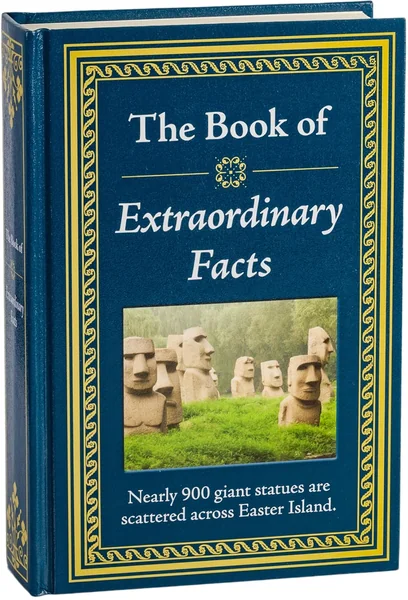
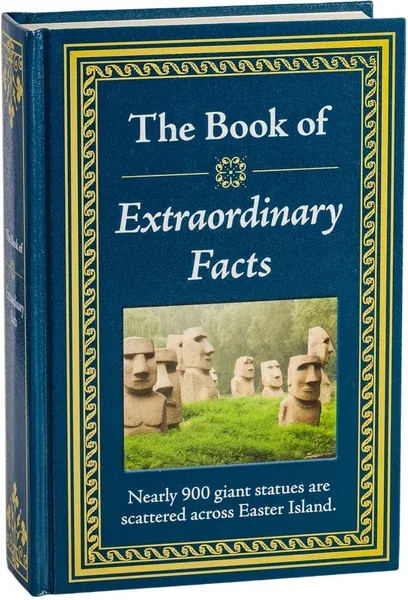
The hardcover format justifies its gift book positioning with sturdy construction and quality paper stock. The cover design featuring Moai statues against a blue background effectively communicates the book's focus on mysterious and extraordinary information. The imagery suggests depth and intrigue without appearing cluttered or overwhelming.
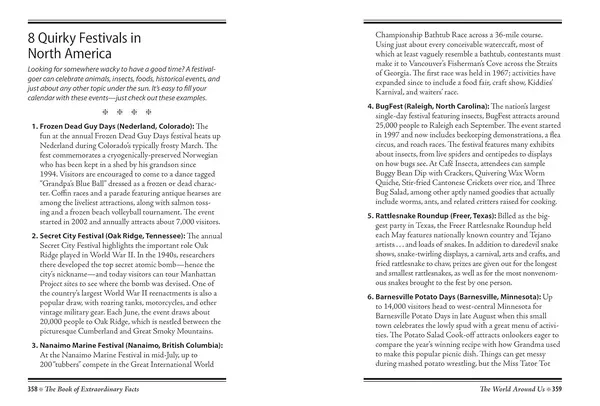
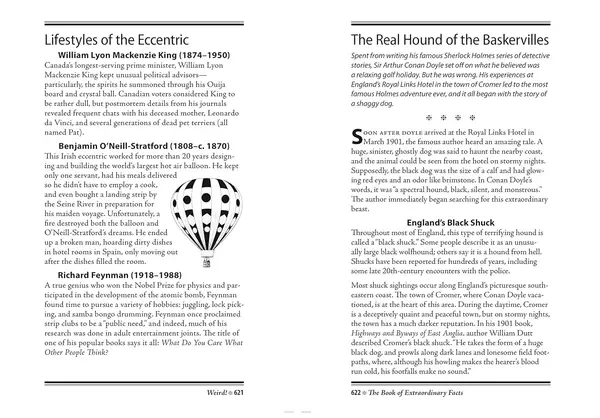
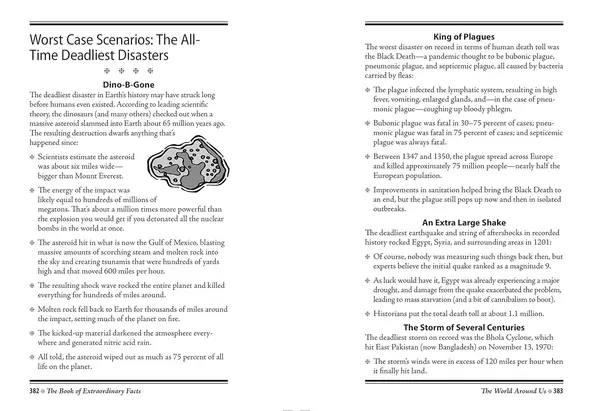
Interior layout prioritizes readability with clear fonts and logical spacing between entries. The publishers avoided cramming too much information onto each page, instead allowing facts room to breathe. This design choice enhances the browsing experience and prevents reader fatigue during extended sessions.
The main weakness appears in the book's lack of source citations or further reading suggestions. Curious readers who want to explore specific topics in greater depth receive no guidance for additional research. This limitation reduces the book's educational value beyond its entertainment function.
Where It Falls Short
While the book delivers on its promise of extraordinary facts, some entries feel recycled from other trivia collections. Frequent consumers of fact-based content may encounter information they've seen elsewhere, particularly in the pop culture sections where certain celebrity anecdotes have become standard trivia fare.
The crime section, though generally well-handled, occasionally ventures into territory that feels exploitative. Some entries focus more on sensational details than historical significance, undermining the book's otherwise respectful approach to serious subjects.
Organization could be stronger in certain sections where related facts appear separated by unrelated content. This scattered approach sometimes interrupts the natural flow of reading and makes it difficult to build momentum around specific topics.
Our Take
The Book of Extraordinary Facts succeeds as a gift book for trivia enthusiasts who appreciate variety over depth. Its hardcover presentation and diverse content make it suitable for coffee tables, waiting rooms, or casual reading sessions. It works best for browsers who enjoy random knowledge without needing citations or scholarly rigor — not for readers who want to go deep on any single subject.
Parents seeking conversation starters with teenagers will find the pop culture sections helpful, while history buffs can appreciate the lesser-known historical tidbits scattered throughout. However, serious researchers or readers seeking comprehensive coverage of specific topics should look elsewhere.
If a browsable, gift-ready trivia collection with broad generational appeal is what you're after, this earns a spot on the coffee table — check the Amazon link in the sidebar for the current price.
Product Gallery
Related Reviews
Reviews of books we picked for readers who enjoyed The Book of Extraordinary Facts.