Vulnerability Research Meets Real-World Application
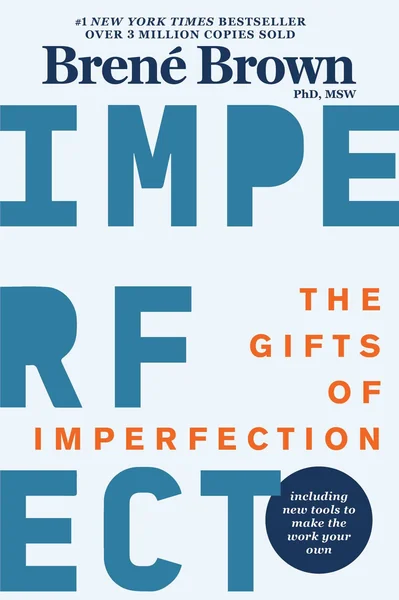
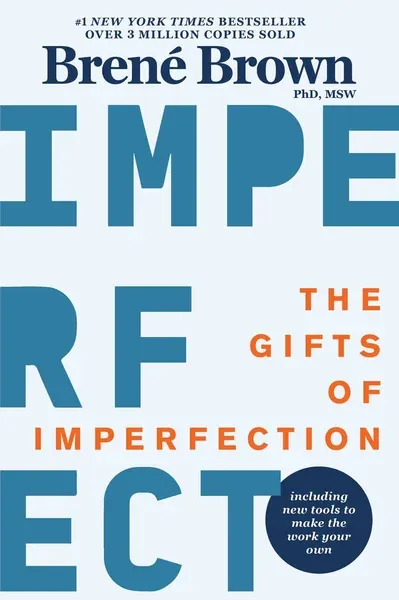
Is The Gifts of Imperfection worth reading over a decade after its initial publication? Brené Brown's foundational work on shame, vulnerability, and wholehearted living continues to resonate, but this 10th anniversary edition raises questions about whether her research-backed approach to courage and authenticity has aged well. Unlike purely theoretical self-help books such as Atomic Habits or The 7 Habits of Highly Effective People, Brown grounds her advice in qualitative research gathered from thousands of interviews about shame and resilience.
The anniversary edition promises new tools and a fresh foreword, suggesting Brené Brown has evolved her thinking since the original publication. Her central thesis remains unchanged: embracing vulnerability and imperfection leads to more authentic, fulfilling lives. But does this message still hit the same way in an era of social media perfectionism and increased mental health awareness?
Brené Brown's approach differs markedly from traditional self-help in its emphasis on emotional honesty over productivity hacks. Where many books promise quick fixes, she advocates for the messier work of developing shame resilience and cultivating what she calls "wholehearted living."
The Research Foundation Behind the Advice
Brown's academic background as a research professor lends credibility to her framework, though the book reads more like accessible guidance than scholarly analysis. Her methodology combines grounded theory research with storytelling, creating a bridge between academic findings and practical application that sets her apart from purely anecdotal self-help authors.
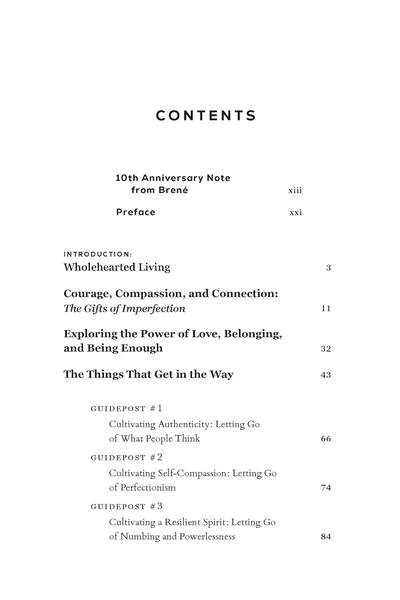
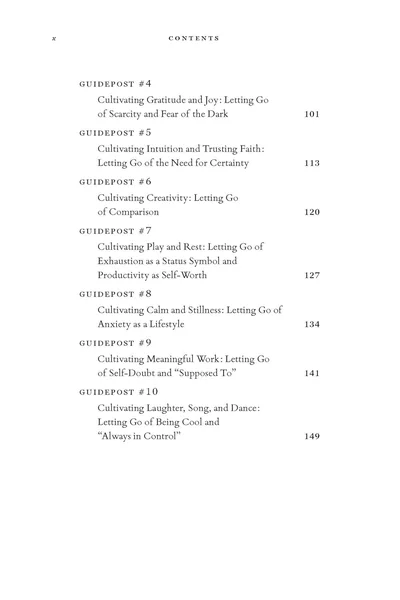
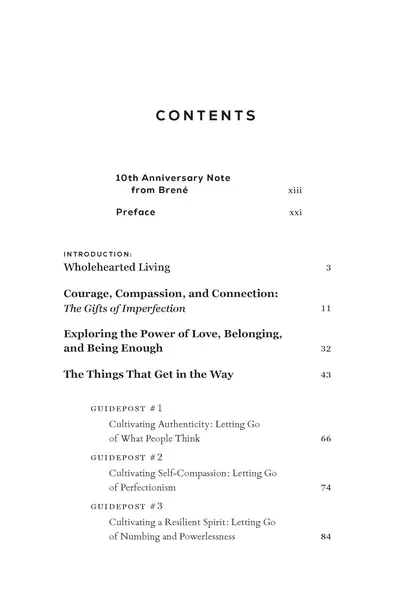
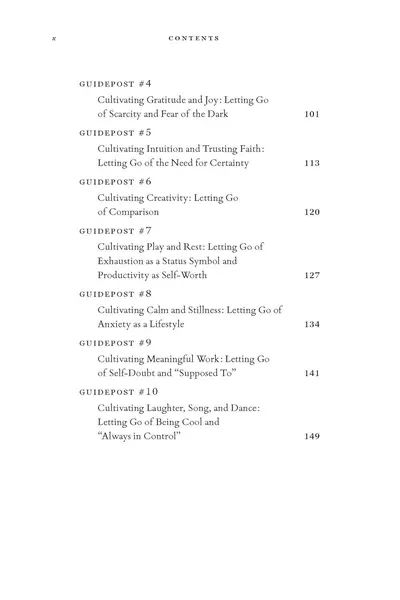
The ten guideposts for wholehearted living form the book's structural backbone: cultivating authenticity, self-compassion, resilient spirit, gratitude, intuition, creativity, play, calm, meaningful work, and laughter. Each section balances research insights with actionable strategies, though some readers may find the academic foundation less prominent than expected.
Brené Brown's vulnerability research emerges from extensive interviews with people who demonstrated resilience in the face of adversity. This grounding distinguishes her work from self-help books that rely primarily on the author's personal experience or cherry-picked studies. However, the qualitative nature of her research means readers seeking hard data or measurable outcomes may find the evidence less compelling than quantitative studies.
The anniversary edition's promise of "brand-new tools" addresses one common criticism of the original: that it identified problems without providing sufficient concrete solutions. The shame resilience practices Brené Brown outlines require genuine emotional work rather than simple behavioral changes.
Her approach to perfectionism particularly resonates in our current cultural moment. Brown distinguishes between healthy striving and perfectionism, arguing that the latter actually hampers achievement while damaging self-worth. The exercises for recognizing perfectionist triggers and developing self-compassion offer practical alternatives to the harsh self-criticism many readers will recognize.
The authenticity practices prove more challenging to implement than they initially appear. Brown asks readers to examine the masks they wear and the armor they use to protect themselves from vulnerability. These concepts work well theoretically but translating them into daily practice requires sustained commitment that goes beyond quick fixes.
Where the Approach Shows Its Age
More than a decade after publication, some aspects of Brown's framework feel less revolutionary. The vulnerability conversation has become mainstream, sometimes diluted into social media soundbites that miss the depth of her actual research. Readers familiar with contemporary discussions of emotional intelligence and psychological safety may find less novelty in her core concepts.
The book's heavy focus on shame, while valuable, can feel overwhelming for readers dealing with clinical depression or anxiety. Brown acknowledges but doesn't fully address how shame resilience work intersects with mental health treatment. Readers seeking support for diagnosed conditions might benefit more from cognitive behavioral therapy resources or books specifically addressing their symptoms.
The spiritual and creative elements of wholehearted living may not resonate with all readers. Brown's emphasis on intuition and meaningful work assumes a level of life flexibility that isn't available to everyone. Single parents working multiple jobs or people in survival mode may find some suggestions impractical, despite Brown's attempts to acknowledge different life circumstances.
The Anniversary Edition's Additions
The new foreword and updated tools reflect Brown's continued research and evolution as a thinker. However, the core content remains largely unchanged, which may disappoint readers hoping for significant new insights. The additions feel more like refinements than revelations.
Brown has expanded her work significantly since the original publication, developing concepts around leadership, creativity, and belonging. Readers might find more value in her newer books if they're looking for fresh perspectives rather than a foundation in vulnerability research.
Who Benefits Most From This Framework
The Gifts of Imperfection works best for readers ready to engage in sustained emotional work rather than seeking quick behavioral modifications. People struggling with perfectionism, people-pleasing, or chronic feelings of inadequacy will likely find Brené Brown's research-backed insights valuable.
The book particularly serves readers in helping professions, creative fields, or leadership roles where vulnerability and authenticity directly impact effectiveness. Parents raising children in an achievement-oriented culture may also find Brown's perspective on modeling imperfection and resilience especially relevant.
However, readers dealing with acute mental health challenges, those seeking highly structured action plans, or people looking for cutting-edge research may find other resources more suitable to their current needs.