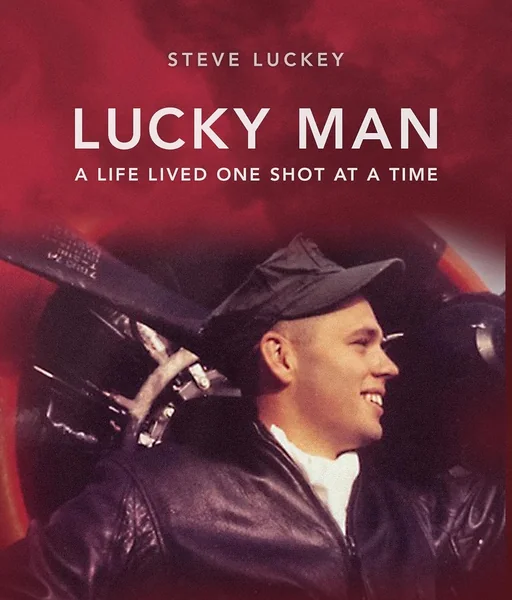
A Life of Extremes and Contradictions
Stephen's story unfolds as a study in contradictions – massive success shadowed by personal demons, creative triumph undermined by self-destruction. The memoir traces his rise from struggling writer to cultural phenomenon, but the real focus lies on what that success cost him and those around him.
The author doesn't romanticize his struggles or present himself as a victim. Instead, he examines his choices with the analytical eye of someone who has gained perspective through crisis. The memoir works best when Stephen connects his personal battles to larger questions about creativity, responsibility, and what it means to be truly "lucky."
His approach to discussing addiction feels particularly authentic – neither minimizing its impact nor dwelling in self-pity. The writing captures the logic of addiction without excusing it, showing how someone can be simultaneously aware of their destructive patterns while feeling powerless to change them.
Unflinching Prose Style
Stephen's prose in Lucky Man carries the same rhythm and precision that defines his fiction, but with added vulnerability. He writes about his lowest moments with the same attention to detail he brings to crafting horror scenes – except here, the monster is real and internal.
The memoir avoids the common pitfall of celebrity autobiographies that read like extended press releases. Stephen includes unflattering details about his behavior and acknowledges the pain he caused others. This honesty elevates the book beyond typical addiction memoirs into something more universal about human frailty and resilience.
His descriptions of the creative process under the influence of substances offer fascinating insights for writers and readers alike. Rather than perpetuating romantic myths about tortured artists, he demonstrates how addiction ultimately diminishes rather than enhances creativity.
The People Who Mattered
While this is Stephen's story, the memoir succeeds by acknowledging the full cast of people who shaped his journey. His family members emerge as three-dimensional figures rather than supporting characters in his drama. The book's strongest passages often focus on how his struggles affected those closest to him.
Stephen writes about his wife with particular tenderness, crediting her with seeing through his rationalizations while remaining committed to their marriage. His children appear as both motivation for change and casualties of his worst periods. These relationships provide emotional weight that prevents the memoir from becoming self-indulgent.
The professional relationships – editors, fellow writers, publishers – receive less development but still illuminate how addiction affects every aspect of an addict's life. Stephen shows how his condition strained even his most successful professional partnerships.
Redefining What Makes Someone Lucky
The book's central theme emerges gradually: that being "lucky" has less to do with external success than with the capacity to recognize and seize opportunities for growth. Stephen argues that his addiction, while devastating, ultimately led to insights he might never have gained otherwise.
This perspective could feel forced in less skilled hands, but Stephen earns it through detailed examination of his transformation. He doesn't minimize the damage addiction caused or suggest it was "worth it" for the lessons learned. Instead, he explores how crisis can create openings for authentic change.
The memoir also grapples with questions of artistic identity after recovery. Stephen honestly discusses fears about whether he could write compelling fiction while sober, and how sobriety changed his relationship with his craft. These sections will resonate with any creative person who has wondered about the relationship between art and self-destruction.
Where Honesty Meets Its Limits
While Stephen's candor is the memoir's greatest strength, it occasionally becomes its weakness. Some passages feel almost too revealing, crossing from honesty into exhibitionism. The book sometimes struggles to maintain the line between necessary disclosure and TMI.
Certain sections drag when Stephen becomes overly analytical about his psychological state. The memoir works best when showing rather than explaining, but some chapters lean heavily toward explanation. Readers looking for sensational details about his worst behavior will find them, but they may overshadow the book's more substantial themes.
The chronology occasionally feels muddled, jumping between time periods without clear transitions. While this mirrors how memory actually works, it can leave readers struggling to follow the narrative thread.
Our Take
Lucky Man succeeds as both addiction memoir and meditation on success. Stephen's willingness to examine his failures with the same intensity he brings to his fiction creates a compelling read that transcends the celebrity autobiography genre.
The book will particularly appeal to readers interested in the creative process, the nature of addiction, or stories of radical personal transformation. It's not recommended for those seeking light reading or anyone currently struggling with active addiction without professional support.
Writers will find valuable insights about creativity and productivity, while general readers will appreciate the universal themes about second chances and redefining success. The memoir's honesty makes it a worthwhile read for anyone interested in how people change – or fail to change – when faced with crisis.