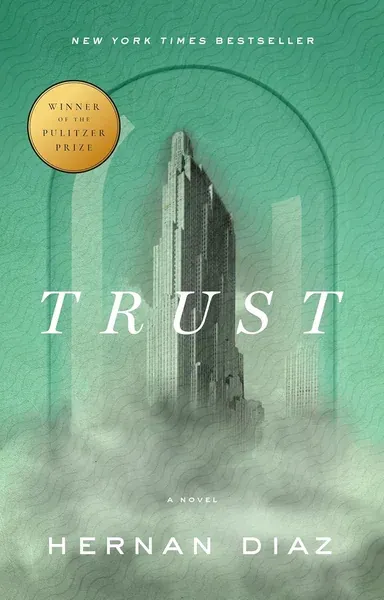
A Novel Built Like a Financial Instrument
Trust unfolds through four distinct sections, each masquerading as a different type of document. The opening section reads like a 1930s novel about a Wall Street tycoon and his mysterious wife. What follows challenges everything readers think they know about these characters through manuscript drafts, memoirs, and personal papers.
Diaz's structural innovation serves his thematic purposes perfectly. Just as financial instruments can obscure true value behind layers of complexity, the novel's nested narratives reveal how the ultra-wealthy manipulate their public image through carefully controlled storytelling. The book becomes a detective story where readers must piece together fragments of truth from unreliable sources.
The prose varies dramatically between sections, mimicking different literary styles and historical periods. This isn't merely showing off—each voice serves to illuminate different aspects of power, gender, and artistic creation in early 20th century America.
Wealth, Power, and the Stories We Tell
The central themes revolve around narrative control and economic inequality. Diaz examines how those with immense wealth don't just buy material goods—they purchase the right to shape their own stories and erase inconvenient truths. The novel suggests that behind every great fortune lies not just a crime, as Balzac wrote, but a carefully constructed myth.
The treatment of women's voices proves particularly compelling. As the narrative progresses, female perspectives emerge to challenge and complicate the male-dominated accounts that open the book. This isn't heavy-handed feminism but a subtle exploration of how women's experiences get written out of official histories.
The novel also grapples with questions of artistic integrity and patronage. When does financial support become artistic compromise? Diaz explores these tensions without offering easy answers, making the moral landscape as complex as his narrative structure.
Where Ambition Meets Accessibility
Trust demands significant intellectual engagement from its readers. The fragmented structure and shifting perspectives require careful attention, and some sections deliberately adopt dense, period-appropriate prose that can feel challenging to modern readers. This isn't a book for casual beach reading.
However, Diaz rewards patient readers with moments of genuine insight and emotional resonance. The final section, in particular, brings emotional weight to what might otherwise feel like an intellectual exercise. When the human cost of financial manipulation becomes clear, the novel's experimental structure serves its deeper purposes.
The book's exploration of market manipulation and wealth concentration feels particularly relevant to contemporary readers dealing with similar economic inequalities. While set in the 1920s, the dynamics Diaz examines echo through to our current moment.
A Flawed but Fascinating Achievement
The main weakness lies in pacing and accessibility. Some sections drag considerably, particularly the middle portions that mimic academic prose and business documents. Diaz occasionally prioritizes structural cleverness over narrative momentum, resulting in stretches where readers may struggle to maintain engagement.
The novel also expects significant cultural literacy from its audience. References to modernist literature, financial history, and New York society require background knowledge that may alienate some readers. This feels designed for literary fiction enthusiasts rather than general audiences.
Additionally, the emotional payoff doesn't always justify the intellectual heavy lifting required. While the final revelations provide satisfying closure to the puzzle, some readers may question whether the journey was worth the destination.
Our Verdict on This Literary Puzzle
Trust succeeds as an ambitious work of literary fiction that uses innovative structure to explore timeless themes about power, truth, and storytelling. Diaz has created something genuinely original in contemporary American fiction, even if that originality comes at the cost of immediate accessibility.
The novel works best for readers who enjoy metafictional experiments and don't mind working to uncover meaning. **If you appreciated books like Jennifer Egan's A Visit from the Goon Squad or Colson Whitehead's *The Intuitionist***, you'll likely find much to admire in Diaz's intricate construction.
However, readers seeking traditional narrative pleasures—clear character development, emotional engagement, straightforward plotting—may find Trust more frustrating than rewarding. The Pulitzer Prize recognition suggests literary merit, but literary merit doesn't always translate to reading pleasure.
For those willing to engage with its challenges, Trust offers a unique exploration of how wealth shapes narrative and truth. It's a book that rewards discussion and rereading, making it an excellent choice for book clubs willing to tackle demanding material.