A Family Caught Between Two Worlds
Connolly structures his narrative around the central tension of belonging—characters torn between Irish heritage and American identity. The family at the story's heart faces decisions that echo through generations: which traditions to preserve, which to abandon, and how to honor the past while embracing an uncertain future.
The author explores how displacement shapes identity across multiple generations. Early sections focus on the initial crossing and settlement, while later portions examine how subsequent generations grapple with their Irish-American identity. This multigenerational approach allows Connolly to show how the immigrant experience evolves over time, from survival to integration to questions of cultural preservation.
The historical backdrop provides context for personal struggles, though the novel focuses more on family dynamics than major historical events. Connolly seems more interested in everyday challenges than dramatic historical moments, grounding his story in domestic concerns rather than sweeping historical drama.
Prose That Spans Generations
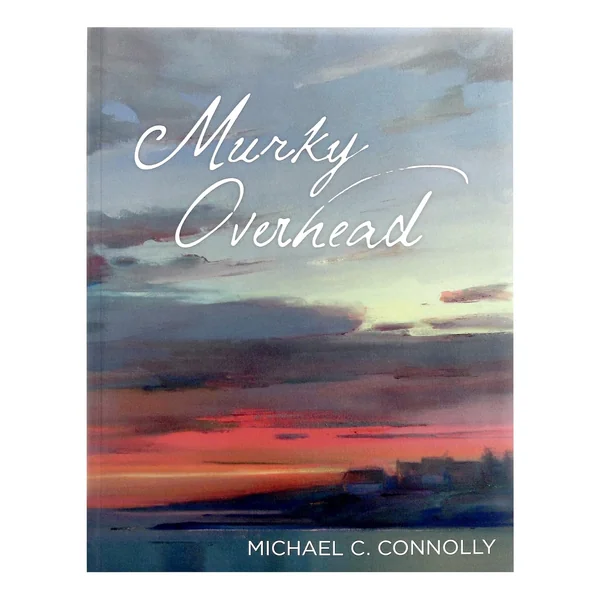
Connolly adopts a traditional narrative approach that serves his multigenerational story well. His prose tends toward the descriptive, particularly when establishing settings on both sides of the Atlantic. The writing captures the atmospheric quality suggested by the cover art—there's a sense of uncertainty and transition that permeates the narrative.
The author handles dialogue competently, though Irish characters occasionally slip into dialect that feels more performative than authentic. Where the writing succeeds most is in quieter moments of reflection, where characters contemplate their choices and their evolving relationship to both Ireland and America.
Pacing varies throughout the novel's considerable length. Early sections dealing with the crossing and initial settlement maintain stronger momentum than later portions, which sometimes bog down in domestic details. The author's ambition to cover multiple generations occasionally works against narrative focus.
The Immigrant Experience Across Time
The novel's strength lies in its exploration of how immigration impacts multiple generations differently. First-generation immigrants face immediate survival challenges, while their children and grandchildren grapple with questions of identity and belonging that their predecessors had no luxury to consider.
Connolly examines the costs and benefits of assimilation without taking simplistic positions. Characters make difficult choices about language, religion, and cultural practices, often finding themselves caught between conflicting loyalties. The author shows how preserving heritage while embracing change remains a persistent challenge across generations.
The Atlantic serves as both physical and metaphorical divide throughout the novel. Characters frequently look back across the ocean, literally and figuratively, as they attempt to maintain connections to their homeland while building new lives. This geographical tension reinforces the novel's central themes of displacement and belonging.
Where Ambition Exceeds Execution
While Connolly's scope is admirable, the novel sometimes struggles under the weight of its own ambitions. The attempt to cover multiple generations and "a lifetime of experiences" occasionally leads to superficial treatment of individual characters and situations. Some family members feel more like representatives of historical periods than fully realized individuals.
The novel's length, while allowing for comprehensive coverage, sometimes works against narrative momentum. Certain sections, particularly in the middle portions, could benefit from tighter editing. The author's desire to include every significant family moment occasionally obscures the stronger dramatic threads.
Historical detail, while generally accurate, sometimes feels researched rather than lived. Connolly clearly did his homework regarding Irish-American immigration patterns, but this research occasionally shows through in ways that interrupt the narrative flow.
A Solid Addition to Immigration Literature
Murky Overhead succeeds as a family saga that captures the complexity of the immigrant experience across generations. While it may not reach the literary heights of Brooklyn or possess the narrative urgency of more focused immigration novels, it offers a comprehensive look at how families adapt and change across time and place.
The novel works best for readers interested in multigenerational family stories and those with personal connections to Irish-American immigration. Connolly's commitment to showing how immigration impacts multiple generations provides insights often missing from single-generation narratives.
For readers seeking fast-paced historical fiction, this may feel too contemplative and sprawling. However, those who appreciate character-driven family sagas will find much to engage with, even if the execution doesn't always match the ambition.