
8 min read
4.6
· 158,969 Amazon ratingsShare This Review
Before We Were Yours by Lisa Wingate Review: A Gripping Dual-Timeline Historical Fiction
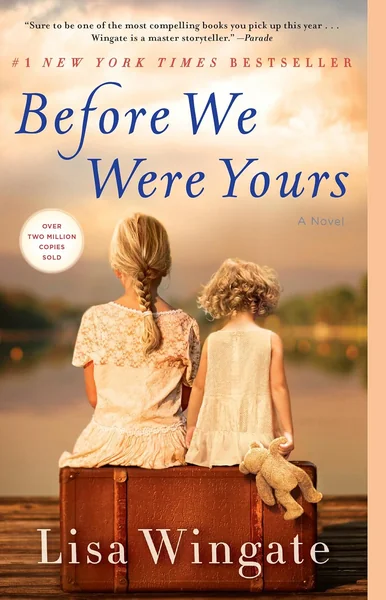
Before We Were Yours is a New York Times, USA Today, Wall Street Journal, and Publishers Weekly bestselling novel by Lisa Wingate that dramatizes one of America's most notorious real-life adoption scandals — the systematic kidnapping and sale of poor children by Georgia Tann's Tennessee Children's Home Society — through two alternating timelines set in 1939 Memphis and the present-day American South. It won the Southern Book Prize and has sold over three million copies.
LuvemBooks Verdict
Best for
Readers of historical fiction who are drawn to dual-timeline family sagas, investigative narratives, and stories rooted in real social injustice — particularly those who want their fiction to carry documented historical weight.
Worth it if
The convergence of Rill Foss's harrowing 1939 ordeal and Avery Stafford's present-day unraveling of her family's past is precisely the reward — worth it for anyone who prizes dramatic irony built across decades, grounded in a genuine American scandal.
Skip if
Readers who prefer lighter emotional territory or find present-day domestic storylines less compelling than visceral historical drama may feel the tonal gap between the two timelines works against the novel's momentum.
What readers & critics say
Kirkus Reviews acknowledged that Wingate sheds light on a shameful true story of child exploitation, while noting less success in fully engaging readers in the present-day Avery strand. The lisawingate.com author site records wide critical praise, with The Huffington Post calling it "one of the year's best books" and "a near-perfect novel," and Parade describing Wingate as "a master-storyteller" who reveals "the wake of terror and heartache that is Georgia Tann's legacy."
“Wingate sheds light on a shameful true story of child exploitation but is less successful in engaging readers in her [present-day strand].”
— Kirkus ReviewsAge & Reading Level
Recommended age
Ages 16+
Reading level
Adult
3 content notes · who it suits
Content to know about
Best for: Adults / mature 16+ — centers on institutionalized child trafficking, the forced separation of siblings, and the systematic erasure of children's identities, making it a demanding read not suited to younger or sensitive audiences.
Skip if you're looking for lighter historical fiction without harrowing depictions of child suffering and institutional abuse.
In This Review
- What Works & What Doesn't
- What the Novel Is and What It Does
- The Historical Foundation: Georgia Tann and the Tennessee Children's Home Society
- Craft and Reception
- Scope and Themes
- Who This Book Is For — and Where It Challenges
What Works & What Doesn't
What Works
- Grounded in the documented history of Georgia Tann and the Tennessee Children's Home Society, giving the fiction unusual factual weight
- Dual-timeline structure builds dramatic irony effectively, with Rill Foss's 1939 narrative and Avery Stafford's present-day investigation converging across decades
- Praised by major outlets including People, The Huffington Post, and Parade; winner of the Southern Book Prize
- A cultural phenomenon that has sold over three million copies and been translated into more than forty languages
- Engages themes of identity, class injustice, family bonds, and resilience with documented real-world resonance
What Doesn't
- The harrowing subject matter — institutional child trafficking and family destruction — makes this a demanding read, not suited to all moods or audiences
- Some readers find the present-day Avery Stafford storyline less immediately gripping than Rill's visceral 1939 narrative, creating an occasional tonal imbalance between the two threads
What the Novel Is and What It Does
The Historical Foundation: Georgia Tann and the Tennessee Children's Home Society
Craft and Reception
Scope and Themes
Who This Book Is For — and Where It Challenges
Frequently Asked Questions
Sources & Further Reading
The key facts and claims in this review are grounded in the retrieved, verified sources listed below.
- Cited in this review
- 1
penguinrandomhouse.com
- 2
- Further reading
- 3
Lisa Wingate, Wikipedia
- 4
lisawingate.com
- 5
thebooksuite.com
- 6
baronbuyer.com
- 7
bookcoffeehappy.com
- 8
barlinsbooks.com
- 9
rosepointpublishing.com
- 10
bookanalysis.com
- 11
barnesandnoble.com
Related Reviews
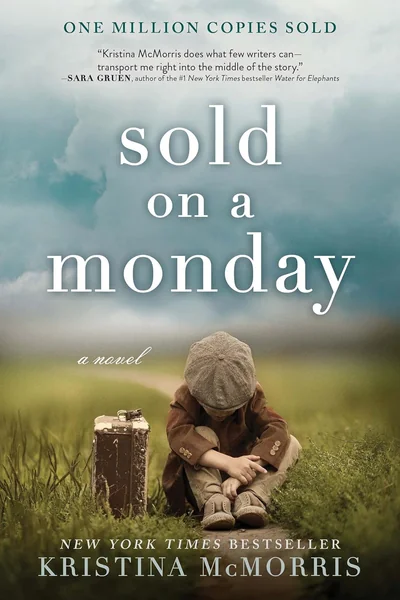
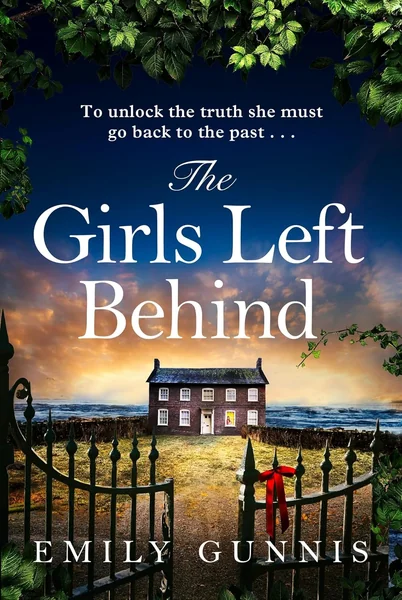
Reviews of books we picked for readers who enjoyed Before We Were Yours.

Reader Comments
No comments yet
Be the first to share your thoughts!