- Daniel Siegel parenting book effectiveness - brain-based parenting techniques - The Whole-Brain Child vs other parenting books
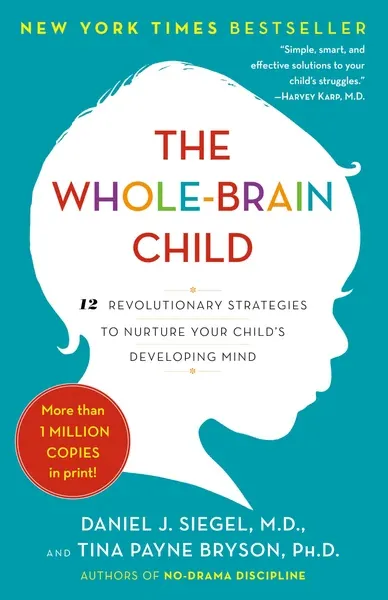
Parents drowning in tantrums, meltdowns, and sibling battles often wonder: is The Whole-Brain Child worth it for parents seeking real solutions? Daniel J. Siegel M.D. and Tina Payne Bryson promise "revolutionary strategies," but their neuroscience-based approach delivers something more valuable than quick fixes—it offers a fundamental shift in how we understand children's behavior. Fans of How to Talk So Kids Will Listen & Listen So Kids Will Talk will appreciate the practical focus here, though Daniel J. Siegel M.D. and Tina Payne Bryson ground their advice in brain science rather than pure communication techniques.
This isn't another parenting manual filled with feel-good platitudes. The authors, drawing on Siegel's psychiatric expertise and Bryson's child development background, translate complex neuroscience into actionable strategies that work whether you're dealing with a defiant three-year-old or an emotional teenager.
The Science Made Simple
What sets this book apart from other parenting guides is its foundation in neuroscience research. Daniel J. Siegel M.D. and Tina Payne Bryson explain how children's brains develop, particularly the relationship between the logical left brain and emotional right brain. The authors avoid overwhelming parents with technical jargon, instead using clear metaphors like the "upstairs brain" (logical thinking) and "downstairs brain" (emotional reactions) to make brain development accessible.
The twelve strategies emerge naturally from this neurological understanding. Rather than presenting isolated techniques, each strategy builds on the brain science foundation. For instance, their "connect and redirect" approach recognizes that emotional connection must precede logical discussion—you can't reason with a child's upstairs brain until you've acknowledged their downstairs brain's emotional experience.
The book's strength lies in explaining why traditional parenting approaches often backfire. When parents immediately jump to consequences or explanations during a meltdown, they're essentially trying to engage a child's logical brain while their emotional brain is in crisis mode.
Practical Strategies That Actually Work
Unlike parenting books that offer vague advice about "being patient," The Whole-Brain Child provides specific, actionable techniques. Daniel J. Siegel M.D. and Tina Payne Bryson present each strategy with clear steps, age-appropriate modifications, and real-world examples that feel authentically chaotic—not the sanitized scenarios common in other parenting guides.
The "name it to tame it" technique teaches parents to help children identify and verbalize emotions, which literally calms the brain's alarm system. "Time-in" replaces traditional time-outs with connection-based discipline that addresses the root cause of behavior rather than just punishing the symptom.
What makes these strategies genuinely revolutionary is their focus on building skills rather than managing behavior. Instead of stopping a tantrum, parents learn to help children develop emotional regulation abilities they'll use throughout their lives. The authors acknowledge this requires more effort upfront but prevents years of ongoing behavioral battles.
The book includes practical tools like conversation starters for different ages and scripts for common scenarios, though parents will need to adapt the language to their family's communication style.
Where Neuroscience Meets Real Life
The authors excel at bridging the gap between research and daily parenting reality. They acknowledge that implementing brain-based strategies feels counterintuitive when you're exhausted and your child is screaming in Target. The book addresses common implementation challenges with humor and realistic expectations.
However, the neuroscience foundation occasionally becomes the book's weakness. Some parents may find the brain-based explanations overly academic, particularly in the opening sections. Daniel J. Siegel M.D. and Tina Payne Bryson sometimes over-explain the neurological rationale when stressed parents simply want to know what to do right now.
The strategies also require significant emotional regulation from parents themselves—something the book acknowledges but doesn't fully address. Parents dealing with their own childhood trauma or mental health challenges may struggle to implement these connection-based approaches without additional support.
Not a Magic Wand for Every Family
While The Whole-Brain Child offers valuable insights, it's not a universal solution. The book works best for families committed to relationship-based parenting and willing to invest time in skill-building rather than quick behavioral fixes. Parents seeking immediate compliance techniques will be disappointed.
The strategies require practice and patience—qualities that feel impossible when you're in survival mode with challenging behaviors. Some children, particularly those with neurodevelopmental differences, may need modifications the book doesn't thoroughly address. Daniel J. Siegel M.D. and Tina Payne Bryson focus primarily on typical development, with limited discussion of how their strategies adapt for children with ADHD, autism, or sensory processing differences.
The book also assumes a level of family stability that may not exist for all readers. Single parents, families experiencing trauma, or those in crisis situations may need more intensive support than this book provides.
The Bottom Line for Busy Parents
The Whole-Brain Child succeeds because it respects both parents and children as complex beings capable of growth. Unlike parenting books that promise to "fix" your child, Daniel J. Siegel M.D. and Tina Payne Bryson help parents understand behavior through a developmental lens that reduces blame and increases compassion.
The book's greatest strength is its long-term perspective. Parents who implement these strategies report not just better behavior, but children who develop genuine emotional intelligence and resilience. However, this transformation requires consistency and patience that may feel overwhelming for parents in crisis.
Is The Whole-Brain Child worth it for parents? Yes, if you're seeking to understand the why behind your child's behavior and willing to invest in relationship-building strategies. No, if you need immediate behavioral solutions or prefer authoritarian parenting approaches. The book works best as a foundation for understanding child development, supplemented by other resources for specific challenges.
You can find The Whole-Brain Child at Amazon, your local bookstore, or directly from Bantam.