
8 min read
4.6
· 57,300 Amazon ratingsShare This Review
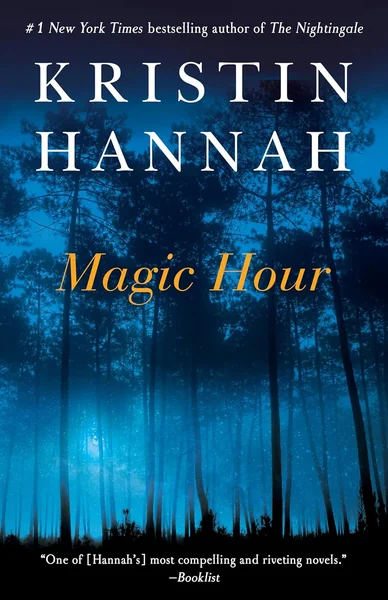
Magic Hour: A Novel by Kristin Hannah Review: Gripping but Uneven Emotional Fiction
Magic Hour is a family drama and psychological novel by Kristin Hannah, originally published by Ballantine Books in March 2006 and later reissued in a 2010 reprint edition. At its center is Julia Cates, a disgraced child psychiatrist, and her police-chief sister Ellie, who must work together to help a traumatized feral child — later named Alice — who emerges wordlessly from the forests of Rain Valley, Washington. The novel explores trauma, recovery, identity, and the nature of family, and while Kirkus Reviews found the feral-child storyline genuinely compelling, it also noted that the romantic subplots and some supporting characterizations fall short of the novel's strongest material.
 Tap to enlarge
LuvemBooks Verdict
Best for
Readers of emotionally driven women's fiction who are drawn to a mystery-threaded family drama and will find the psychological rehabilitation of a traumatised feral child — rendered without conventional dialogue — more compelling than a conventional romance.
Worth it if
The central mystery of Alice's origins and the parallel arcs of Ellie's investigation and Julia's psychiatric work are enough to carry you through the novel's more formulaic stretches.
Skip if
You have low tolerance for melodramatic or over-written romantic subplots — Kirkus Reviews found those sequences stale enough to drag on the book's more original material.
What readers & critics say
Kirkus Reviews credits the novel's propulsive readability to its wacky central premise, while noting that "schmaltzy romantic sequences" and transparent supporting characters weigh against its stronger psychological material. Publishers Weekly similarly calls it an "addictive soap opera story" driven by a cast of stock characters, though acknowledges the feral-child conceit as the novel's distinctive hook.
“Wacky plot keeps the pages turning and enduring schmaltzy romantic sequences.”
— Kirkus Reviews“Hannah's melodramatic 15th novel tells the addictive soap opera story of a feral child and the adults who rally to help her.”
— Publishers WeeklyAsk LuvemBooks
Was this helpful?
- Is it worth reading?
- Magic Hour is well worth reading for the right audience — specifically, readers of emotionally driven women's fiction who are drawn to family drama with a mystery spine. Alice's rehabilitation storyline is the novel's most original and sustained strength, and Kirkus Reviews confirms it generates genuine suspense with plot surprises that reward persistence. The honest caveat is that the romantic subplot sequences are described by Kirkus as "torturously over-written" and "stale," and several supporting characters are characterized as transparent — but even Kirkus concedes the novel's "wacky plot keeps the pages turning" through its weaker stretches.
- Similar books
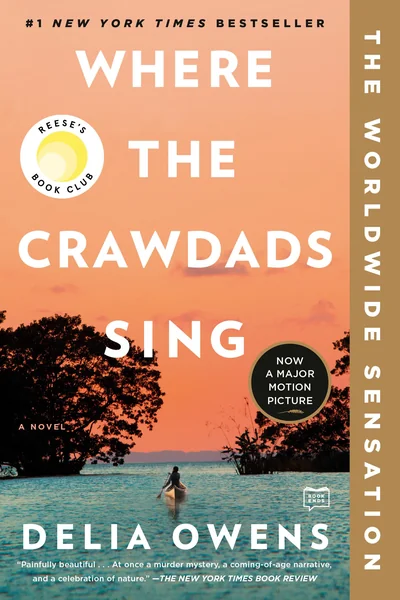
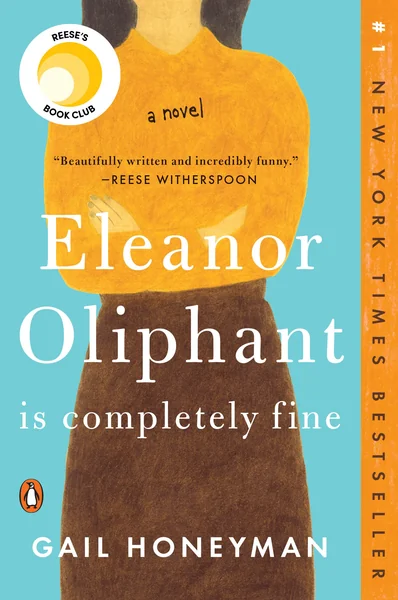
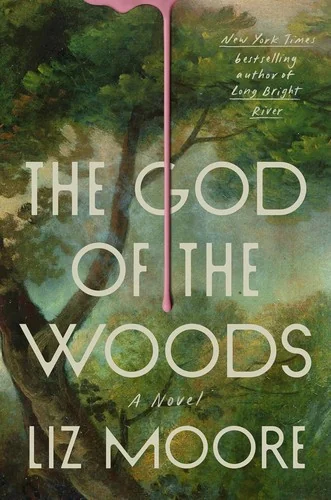
- Readers who respond to Magic Hour's blend of family drama, psychological depth, and a mystery spine have several strong options nearby. Where the Crawdads Sing by Delia Owens shares the atmospheric Pacific Northwest isolation, a feral-child-adjacent premise, and a slow-burn mystery at its core. The God of the Woods by Liz Moore is another family-centered mystery with a missing child driving the plot and a strong sense of place. For the sisterhood and emotionally driven women's fiction dimensions, The Most Fun We Ever Had by Claire Lombardo offers a richly rendered multigenerational family drama. Eleanor Oliphant Is Completely Fine by Gail Honeyman echoes the trauma-and-recovery arc, centering a damaged, isolated protagonist who must slowly re-learn how to connect with the world around her.
- Who should read this?
- Magic Hour is designed for readers of emotionally driven women's fiction who are drawn to family drama with a mystery spine. It will appeal particularly to those interested in psychological and therapeutic themes — specifically the painstaking rehabilitation of a traumatized child — rendered through a personal, relationship-centered lens. Fans of Kristin Hannah's later novels, especially The Nightingale, are a natural audience, as are readers who gravitate toward stories where fractured family bonds and questions of identity drive the emotional core. Readers with very low tolerance for melodramatic romance sequences should be prepared to push through those sections.
- What are the main themes?
- Magic Hour engages substantively with trauma and recovery as its central concern — specifically what it takes to rebuild a traumatized child's sense of safety, language, and identity after years outside civilization. The novel also interrogates the nature of family and parenthood, positioning biological connection as only one possible answer to those questions. Identity and community run throughout Alice's arc, while Julia's own professional and personal redemption adds a parallel thread about second chances. The title itself carries symbolic weight: "magic hour" — that brief window of golden light after rain — functions as a metaphor for the rare, hard-won moments of breakthrough in Alice's healing.
- How does this compare to The Four Winds?
- LuvemBooks has reviewed both Magic Hour and The Four Winds by Kristin Hannah. The Four Winds is set in the historical register of 1930s Dust Bowl America and operates as an epic of survival and sacrifice, while Magic Hour is a contemporary domestic drama grounded in psychological rehabilitation and family mystery. Both novels share Hannah's signature commitment to high-stakes emotional storytelling and strong female protagonists, but Magic Hour is more contained in scope and setting — Rain Valley is an intimate, pressure-cooker environment — where The Four Winds has the sweep of a historical saga.
- Why is this book trending?
- Kristin Hannah has become one of the most talked-about authors of recent years, and readers who discovered her through The Nightingale or Firefly Lane are now working their way through her back catalog — bringing fresh attention to Magic Hour in 2026. The novel is benefiting from the broader Kristin Hannah wave rather than any standalone event of its own, making it a natural next read for fans who want more of her emotionally driven storytelling.
- About Kristin Hannah
- Born in 1960, Kristin Hannah has become one of America's most beloved contemporary novelists, captivating millions of readers with her emotionally powerful storytelling.
Summarize this book
Follow up
Synthesized from verified book data & published reviews · How we review
Press Enter to ask. Answers come from our editorial Q&A — start typing to see related questions.
Age & Reading Level
Recommended age
Adult
Reading level
Adult
3 content notes · who it suits
Content to know about
Skip if you have zero tolerance for melodramatic or formulaic romance subplots — Kirkus Reviews describes them as "torturously over-written" and "stale," and they recur throughout the novel.
Our Review
What the Novel Is and What It Sets in Motion
Thematic Ambitions: Trauma, Identity, and What Makes a Family
Where the Novel Is Strongest
Where the Novel Struggles
Who This Novel Is For
Sources & Further Reading
The key facts and claims in this review are grounded in the retrieved, verified sources listed below.
- Cited in this review
- 1
bookbrowse.com
- Further reading
- 2
Kristin Hannah, Wikipedia
- 3
kirkusreviews.com
- 4
kristinhannah.com
- 5
- 6
- 7
- 8
booknerdalert.com
- 9
yesterdaysmuse.com
Books like Magic Hour
Curated picks for readers who enjoyed Magic Hour, with our reasoning for each match.

If you liked Magic Hour

Why It’s Trending
Kristin Hannah's Star Power Is at an All-Time High as Her Books Keep Getting Adapted
Kristin Hannah is having a major moment right now, with multiple adaptations of her novels in the works — including a film of The Nightingale starring Elle and Dakota Fanning. That buzz is pulling readers back to her full catalog, including Magic Hour.