fast-boys-pretty-girls-teen-appropriate-review
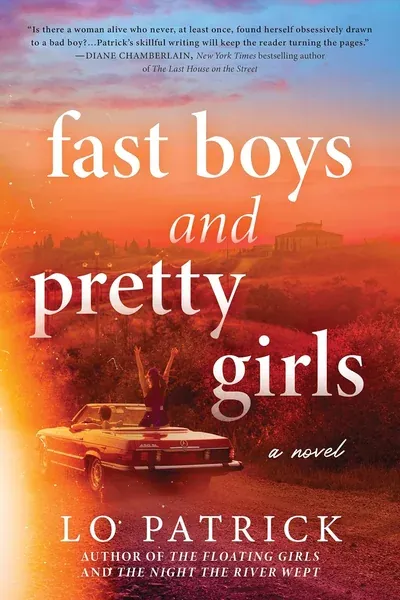
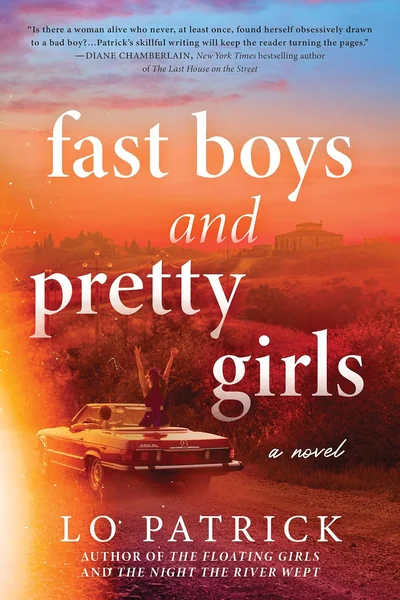
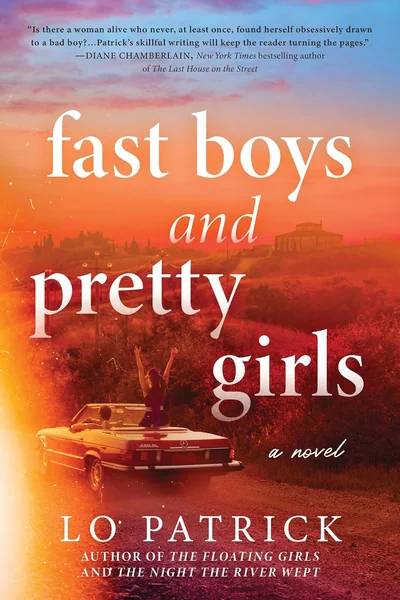
Is Fast Boys and Pretty Girls worth your time? Lo Patrick's novel captures the restless energy of adolescence with surprising depth, though it may leave some readers wanting more substance beneath its stylish surface. The cover's striking imagery—a red car against an open field—perfectly encapsulates the novel's themes of escape, freedom, and the magnetic pull of youth culture.
This coming-of-age story explores the complex dynamics between teenagers navigating identity, attraction, and the pressure to fit into predetermined social roles. Lo Patrick writes with a keen eye for the subtle cruelties and unexpected kindnesses that define high school social hierarchies. For readers who enjoyed books like Eleanor & Park or The Perks of Being a Wallflower, this young adult novel offers similar emotional territory with a contemporary twist.
Small Town Dynamics and Social Pressures
Lo Patrick sets the story in a small town where everyone knows everyone else's business, creating a claustrophobic atmosphere that many teens will recognize. The titular "fast boys" and "pretty girls" represent more than just surface-level descriptions—they're social categories that trap the characters in limiting expectations.
The author excels at capturing how teenagers perform their identities, often in ways that contradict their inner selves. The main weakness lies in occasionally heavy-handed metaphors, particularly around cars and speed representing freedom. While effective at times, these symbols sometimes feel forced rather than organic to the narrative.
The small-town setting becomes almost a character itself, with its gossip networks and unspoken rules creating barriers the protagonists must navigate. Lo Patrick understands how geographical limitations can feel like prison walls to ambitious young people dreaming of bigger things.
Characters Caught Between Worlds
The novel's strength lies in its character development, particularly how the author avoids easy stereotypes. The "fast boys" aren't simply reckless troublemakers, and the "pretty girls" aren't just superficial objects of desire. Each character grapples with the gap between how others see them and who they actually are.
Lo Patrick demonstrates skill in writing authentic teenage dialogue that captures the way young people actually speak—complete with awkwardness, bravado, and moments of surprising vulnerability. The relationships feel genuine, marked by the intensity that characterizes adolescent friendships and romantic connections.
The characters face realistic conflicts around family expectations, peer pressure, and the challenge of staying true to themselves while fitting in. These universal themes give the contemporary YA fiction broader appeal beyond its specific setting and time period.
Themes of Identity and Belonging
The novel explores how social labels both define and confine us. Lo Patrick examines the costs of living up to others' expectations versus the risks of breaking free from those predetermined roles. The tension between conformity and authenticity drives much of the emotional conflict.
Unlike most young adult fiction, this book doesn't offer simple resolutions to complex problems. The characters must live with consequences and ambiguous outcomes, which feels more honest than neat wrap-ups. Patrick respects readers enough to present situations without easy answers.
The theme of escape—both literal and metaphorical—runs throughout the narrative. The red car on the cover symbolizes this desire to break free, though the novel suggests that true freedom comes from self-acceptance rather than geographical relocation.
Where It Shines and Stumbles
Lo Patrick's prose style suits the material perfectly. The author writes with a lean, understated approach that lets the characters' emotions speak for themselves. The pacing keeps readers engaged without rushing through important character moments.
However, the novel sometimes feels slight. While the character work is solid, the plot lacks the weight to fully support the themes the author wants to explore. Readers expecting a more substantial narrative arc may find themselves wanting more dramatic stakes or deeper exploration of the social issues the book raises.
The ending, while realistic, may frustrate readers looking for more definitive closure. Lo Patrick seems to prefer ambiguity to false resolution, but some plot threads feel abandoned rather than thoughtfully concluded.
Worth the Investment for Teen Readers
Fast Boys and Pretty Girls succeeds as a character study that captures the confusion and intensity of adolescence. Lo Patrick writes with empathy for the characters without excusing their mistakes or poor choices. The novel works best for readers who appreciate quiet, character-driven stories over action-heavy plots.
Perfect for readers who enjoyed We Are Okay by Nina LaCour or Aristotle and Dante Discover the Secrets of the Universe, this book offers similar themes of identity and belonging. However, those seeking the emotional depth of The Hate U Give or the social commentary of Dear Martin might find this novel too restrained.
The book handles mature themes with appropriate sensitivity, making it suitable for mature teens who can appreciate nuanced character development. Parents should note that the novel contains some mild language and references to underage drinking, though nothing explicit.