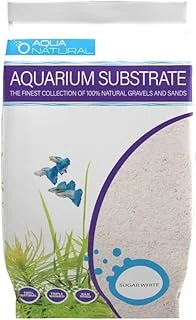
Should you use Aqua Natural Sugar White Sand in your aquarium? This 10-pound natural substrate promises clean, fish-safe aquascaping for freshwater and saltwater tanks. After testing with multiple fish species and plant setups, here's what aquarium owners need to know.
The Aqua Natural Sugar White Sand delivers exactly what its name suggests - ultra-fine, sugar-like granules that create a pristine white bottom layer. Each grain measures approximately 0.5-1mm, making it significantly finer than traditional aquarium gravel but coarser than play sand. This sizing strikes an important balance for both fish safety and biological filtration.
The sand arrives pre-washed but still requires thorough rinsing before use. Even after the manufacturer's cleaning process, expect to rinse 2-3 times until water runs clear. This extra step prevents cloudy water that can stress fish and clog filtration systems.
Natural Composition and Fish Safety
The sand contains no artificial dyes or chemical treatments, consisting entirely of natural silica particles. This composition makes it safe for all freshwater fish species, including bottom-dwellers like corydoras, loaches, and plecos that frequently interact with substrate.
The fine texture allows fish to sift through it naturally without risk of injury to delicate barbels or gills. Unlike sharp-edged gravels, the rounded particles won't cut sensitive fish tissues during normal foraging behavior.
For planted tanks, the sand provides adequate root anchoring for most aquatic plants while allowing proper nutrient circulation. However, very heavy root feeders may struggle in pure sand without additional root tabs or nutrient-rich substrate layers beneath.
Best Applications and Tank Types
This substrate excels in marine aquariums and reef tanks where its bright white color enhances coral fluorescence and creates stunning visual contrast. The fine grain size supports beneficial bacteria colonies essential for nitrogen cycling without creating anaerobic dead zones common with larger substrates.
Freshwater community tanks benefit from the sand's neutral pH properties - it won't alter water chemistry like crushed coral or limestone-based substrates. This stability makes it ideal for sensitive species requiring specific water parameters.
The 10-pound bag covers approximately 15-20 gallons at the recommended 1-2 inch depth. Deeper substrate beds require multiple bags, which can become costly for larger aquarium setups.
Limitations and Maintenance Considerations
The ultra-fine texture creates unique maintenance challenges. Standard gravel vacuums easily suck up the lightweight particles, requiring gentle cleaning techniques or specialized substrate vacuums with adjustable suction.
Plant enthusiasts should note that rooted plants may struggle to establish in pure sand environments. The fine particles can compact over time, potentially creating anaerobic pockets that produce harmful hydrogen sulfide gas. Regular gentle stirring prevents this issue but adds to maintenance requirements.
The bright white color, while visually striking, shows every speck of debris and algae growth. Expect more frequent cleaning compared to darker substrates that naturally camouflage waste and plant matter.
Some fish species, particularly those from naturally dark-bottomed habitats, may appear stressed or washed-out against the bright white background. Research your specific fish species' natural environment before committing to white substrate.
Value Assessment
At current pricing, this sand costs more per pound than basic aquarium gravel but less than premium planted tank substrates. The value depends heavily on your specific aquarium goals.
For reef tanks and marine setups where substrate appearance significantly impacts overall aesthetics, the premium price justifies the visual results. Freshwater planted tank owners might find better value in nutrient-enriched substrates that support plant growth without additional supplementation.
The 10-pound packaging suits smaller tanks but becomes expensive for large aquarium projects requiring 50+ pounds of substrate.
Bottom Line
Aqua Natural Sugar White Sand succeeds as a visually striking, fish-safe substrate for aquarists prioritizing aesthetics and natural composition. The fine texture and neutral chemistry work well in both freshwater and marine environments.
However, the maintenance requirements and plant limitations make it less suitable for low-maintenance setups or heavily planted tanks. Consider your cleaning schedule and aquarium goals carefully before choosing this substrate over more practical alternatives.
For reef tanks and show aquariums where appearance matters most, this sand delivers professional results. Budget-conscious aquarists or those with large tanks might prefer more economical substrate options that provide similar fish safety without the premium price.