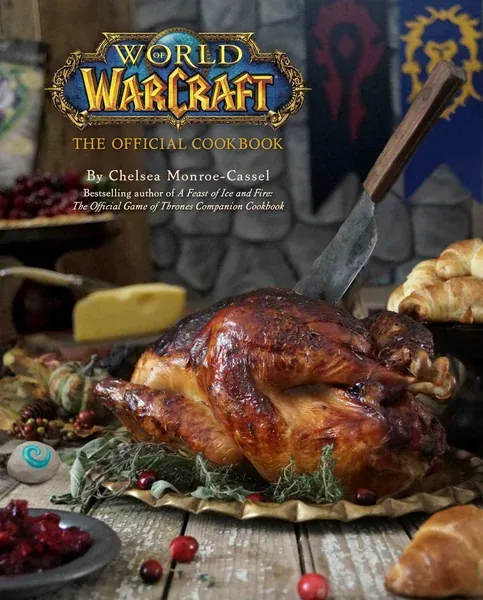
Chelsea Monroe-Cassel's World of Warcraft: The Official Cookbook promises to transport players from Azeroth's digital taverns to their real-world kitchens. This 2016 release tackles the ambitious challenge of translating fantasy fare into practical recipes, but does this World of Warcraft Official Cookbook review reveal a treasure worth your time and ingredients?
For fans of gaming cookbooks like The Elder Scrolls: The Official Cookbook or those who enjoyed Monroe-Cassel's previous work on A Feast of Ice and Fire, this collection offers over 100 recipes spanning breakfast to dessert, each tied to specific locations and cultures within the World of Warcraft universe.
From Stormwind to Your Stovetop
Monroe-Cassel organizes her culinary journey around Azeroth's major regions and races, creating distinct flavor profiles for each faction. The Alliance sections lean heavily on European-inspired comfort foods—think hearty stews, fresh breads, and herb-crusted meats that would feel at home in Stormwind's taverns. The Horde offerings embrace bolder, more exotic flavors with spiced meats, fermented ingredients, and dishes that reflect Orgrimmar's harsh desert climate.
The cookbook's strength lies in Monroe-Cassel's ability to create cohesive culinary identities for each race. Night Elf recipes emphasize fresh, plant-based ingredients and delicate preparations, while Dwarven fare centers on robust, ale-infused dishes perfect for long mining expeditions. This thematic consistency transforms what could have been a random collection of renamed recipes into something that feels authentically connected to the game world.
However, some regional sections feel underdeveloped compared to others. The Pandaren offerings, despite being central to an entire expansion, receive fewer recipes than might be expected given their culture's emphasis on food and cooking.
Recipe Complexity and Kitchen Reality
The cookbook caters to a wide range of cooking skill levels, though Monroe-Cassel doesn't always signal difficulty clearly. Simple offerings like "Conjured Mana Biscuits" (essentially herb-infused crackers) sit alongside complex projects like "Great Feast" platters that require multiple cooking techniques and several hours of preparation time.
Most recipes include helpful substitution notes for hard-to-find ingredients, acknowledging that not every cook has access to specialty spices or unusual proteins. The instructions are generally clear and well-tested, though some measurements feel imprecise—particularly in baking recipes where exact ratios matter more.
The photography deserves praise for its atmospheric staging, with each dish photographed against backgrounds that evoke the appropriate in-game environments. However, some finished dishes look significantly different from their photographed versions when executed by average home cooks, particularly the more elaborate presentation recipes.
Authenticity Versus Accessibility
Monroe-Cassel faces an inherent challenge: balancing fantasy authenticity with real-world practicality. She largely succeeds by creating recipes that feel true to their fictional origins while using ingredients available at standard grocery stores. The "Savory Deviate Delight" manages to capture the dish's reputation for unpredictability through creative use of color-changing ingredients, while "Dirge's Kickin' Chimaerok Chops" delivers the robust flavors promised by its intimidating in-game description.
Some adaptations work better than others. The alcoholic beverages section struggles with the fundamental problem that fantasy drinks often sound more appealing than they taste in reality. "Thistle Tea" translates poorly to actual consumption, despite its iconic status among rogue players.
The cookbook also includes helpful lore snippets explaining each recipe's significance within the game world, though these feel somewhat superficial compared to Monroe-Cassel's more extensive historical research in her Game of Thrones cookbook.
Where the Recipe Falls Short
Despite its thematic strengths, the cookbook suffers from inconsistent execution across different recipe categories. The dessert section feels particularly weak, with several recipes that read more like basic variations on standard sweets than dishes worthy of Azeroth's grand celebrations.
The cookbook also assumes readers have significant familiarity with World of Warcraft lore and locations. Non-players may feel lost without context for why certain ingredient combinations matter or what makes a particular dish significant to its culture. A more comprehensive introduction to each race's culinary traditions would have enhanced accessibility.
Portion sizes vary wildly throughout the book, with some recipes designed for intimate dinners while others could feed a full raid party. This inconsistency makes meal planning challenging, particularly for themed dinner parties.
The Final Judgment
World of Warcraft: The Official Cookbook succeeds most when Monroe-Cassel embraces the challenge of translating digital fantasy into analog reality. The strongest recipes capture both the flavors and cultural significance of their in-game inspirations, creating dishes that enhance the gaming experience rather than simply exploiting the franchise.
At its best, this cookbook offers genuine culinary adventures that deepen players' connection to Azeroth's diverse cultures. At its weakest, it falls back on standard recipes with fantasy names attached. The inconsistent quality across different sections prevents it from reaching the heights of Monroe-Cassel's previous work, but dedicated World of Warcraft fans will find enough successful translations to justify the purchase—particularly those planning themed gatherings or seeking to extend their gaming experience into the kitchen.
Where to Buy
You can find World of Warcraft: The Official Cookbook at Amazon, Barnes & Noble, your local bookstore, or directly from Insight Editions.