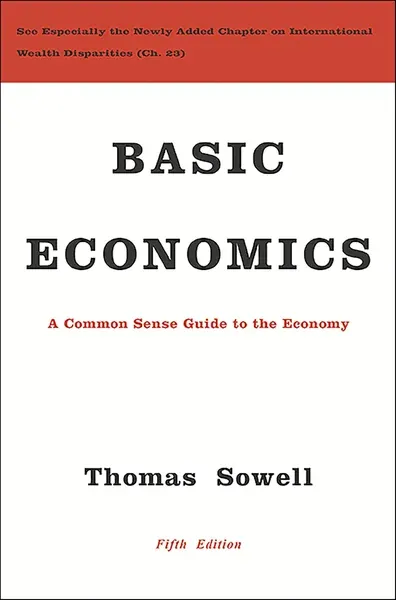
Sowell's No-Nonsense Teaching Method
Thomas Sowell's writing style reflects his decades of experience as both an economist and educator. He constructs arguments methodically, building from basic definitions to more complex concepts without overwhelming readers with technical language. The prose remains clear and direct throughout, avoiding the academic density that characterizes many economics texts.
The author's approach centers on explaining economic principles through concrete examples rather than abstract theory. He illustrates concepts like supply and demand, price controls, and market mechanisms by examining real situations—from rent control in New York City to agricultural policies in various countries. This practical focus makes economic theory accessible to readers without formal training in the subject.
What distinguishes Thomas Sowell's presentation is his commitment to explaining the why behind economic phenomena. Rather than simply stating that price controls lead to shortages, he walks readers through the logical chain of cause and effect, helping them understand the underlying mechanisms at work.
Core Economic Concepts Explained
The book systematically covers fundamental economic principles, from basic market operations to international trade and economic development. Sowell addresses topics like the role of profits, the function of competition, and the effects of government intervention with consistent clarity.
One of the book's strengths lies in its treatment of misconceptions about economics. Thomas Sowell directly confronts common beliefs about topics like corporate profits, minimum wage laws, and wealth inequality, using evidence and logical analysis to challenge popular assumptions. He demonstrates how policies intended to help specific groups often produce unintended consequences that harm those they were meant to assist.
The author's discussion of international economics proves particularly valuable, as he explains how trade benefits all parties involved and why protectionist policies typically backfire. His analysis of economic development in different countries provides concrete illustrations of how economic principles play out on a global scale.
Strengths and Analytical Blind Spots
Basic Economics succeeds admirably in its primary mission of making economic principles understandable to general readers. Thomas Sowell's systematic approach and clear explanations make complex topics accessible without oversimplification. The book's comprehensive scope means readers gain exposure to a wide range of economic issues, from housing markets to international finance.
The historical examples and case studies throughout the book provide compelling evidence for Sowell's arguments. His analysis of failed economic policies in various countries offers valuable lessons about the practical consequences of different approaches to economic management.
However, this economics book reflects a consistently free-market perspective that may not adequately address counterarguments or alternative viewpoints. While Sowell's analysis is generally sound within his framework, readers seeking a more balanced examination of contested economic issues might find the presentation somewhat one-sided. The author's strong ideological commitment to free-market principles, while intellectually consistent, occasionally limits his consideration of situations where market failures might justify government intervention.
Additionally, some readers may find the book's length and comprehensive scope daunting. At over 600 pages, it requires a substantial time investment that casual readers might not be prepared to make.
Who Should Tackle This Economic Education
Basic Economics works best for readers who want a thorough grounding in economic principles and are willing to invest the time necessary to work through Thomas Sowell's comprehensive treatment. The book particularly benefits those who encounter economic issues in their professional lives—business owners, policy makers, journalists, or educated citizens who want to better understand economic debates.
Students taking introductory economics courses will find the book valuable as a supplement to their textbooks, as Sowell's practical examples can help clarify concepts that seem abstract in more academic treatments. The book also serves readers who have been intimidated by economics in the past but are motivated to develop genuine understanding.
However, readers looking for quick insights or entertainment might find the systematic approach too methodical. Those seeking diverse perspectives on economic issues should supplement this Thomas Sowell book with works that present alternative viewpoints on contested topics.
Basic Economics delivers on its promise to make economic principles accessible to general readers. Sowell's clear writing and practical approach successfully demystify a subject that often seems impenetrable. While the book's free-market orientation may limit its appeal to some readers, its educational value for those seeking to understand how economies actually function remains substantial. For readers willing to invest the time, it provides a solid foundation for understanding economic issues that affect daily life and public policy.