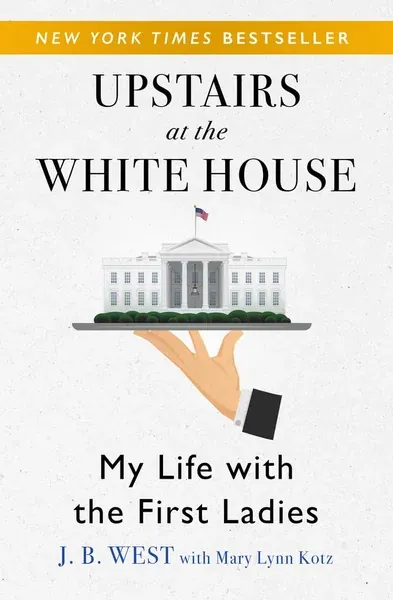
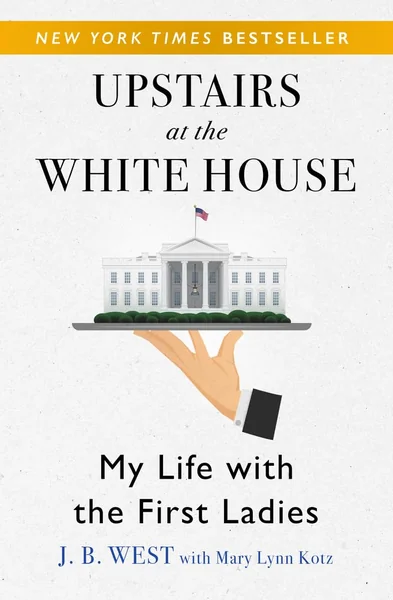
The Vantage Point of a White House Insider
West's unique position as Chief Usher provided him extraordinary access to presidential families during their most private moments. His role encompassed everything from managing household staff to coordinating state dinners, giving him a front-row seat to history that few Americans could claim. The memoir spans nearly three decades of White House operations, from wartime secrecy during FDR's presidency through the social upheavals of the 1960s.
The author's observational skills shine throughout the narrative. Rather than gossiping about presidential families, West maintains a respectful but revealing tone that illuminates each First Lady's personality and priorities. His professional discretion, combined with genuine affection for the families he served, creates a trustworthy narrator who clearly understood the historical significance of his position.
Six First Ladies Through Professional Eyes
Eleanor Roosevelt emerges as a force of nature, transforming White House traditions while managing her husband's declining health during World War II. West captures her independence and social consciousness without romanticizing her sometimes difficult personality. His accounts of wartime security measures and the strain on household operations provide fascinating historical context.
Bess Truman appears as a reluctant First Lady who preferred her Kansas City home to Washington's political fishbowl. West's descriptions of her practical approach to White House management and her attempts to maintain privacy reveal the human cost of unexpected presidential succession.
The Eisenhower years showcase Mamie's attention to entertaining and her partnership with the household staff. West details the social expectations of the 1950s and how the First Lady's health challenges affected White House operations.
Jacqueline Kennedy receives perhaps the most nuanced portrait, balancing her youth and inexperience with genuine interest in White House history and culture. West documents her restoration projects and the tragic aftermath of November 1963 with particular sensitivity.
The Machinery Behind the Magic
West excels at explaining the complex logistics of White House operations that most visitors never consider. His descriptions of state dinner preparations, security protocols, and staff coordination reveal the enormous effort required to maintain America's most scrutinized residence. The memoir provides practical insights into everything from menu planning to protocol arrangements that bring historical events to life.
The author's attention to domestic details—from flower arrangements to guest bedroom assignments—might seem mundane, but these specifics illuminate how personal touches reflected each First Lady's priorities and personality. For history enthusiasts, these behind-the-scenes glimpses add human dimension to familiar political narratives.
Where Professional Discretion Limits Revelation
West's respectful approach, while admirable, sometimes limits the memoir's revelatory power. His professional loyalty prevents him from sharing the juiciest details that modern readers might expect from a White House tell-all. Compared to contemporary political memoirs, the narrative feels restrained, occasionally frustrating readers seeking more candid assessments of presidential personalities.
The writing itself, while clear and engaging, lacks the literary polish of professional historians or skilled memoirists. Co-author Mary Lynn Kotz helps organize West's recollections, but the prose sometimes reads more like detailed recounting than compelling storytelling. The book's strength lies in its content rather than its craft.
Certain sections, particularly those covering routine household operations, may test readers' patience. While these details contribute to the memoir's authenticity, they occasionally slow the narrative pace and dilute the impact of more dramatic historical moments.
A Unique Window Into Presidential History
The bottom line: Upstairs at the White House offers irreplaceable firsthand testimony about America's First Families during pivotal decades. West's professional perspective provides historical value that outweighs the memoir's stylistic limitations. For readers interested in presidential history, White House operations, or the personal lives of political figures, this book delivers insights unavailable elsewhere.
The memoir works best for readers who appreciate primary source material and understand that authentic historical accounts don't always match the dramatic pacing of fictional narratives. West's honest, respectful approach to his subject matter creates a trustworthy historical record that scholars and casual readers can value equally.