
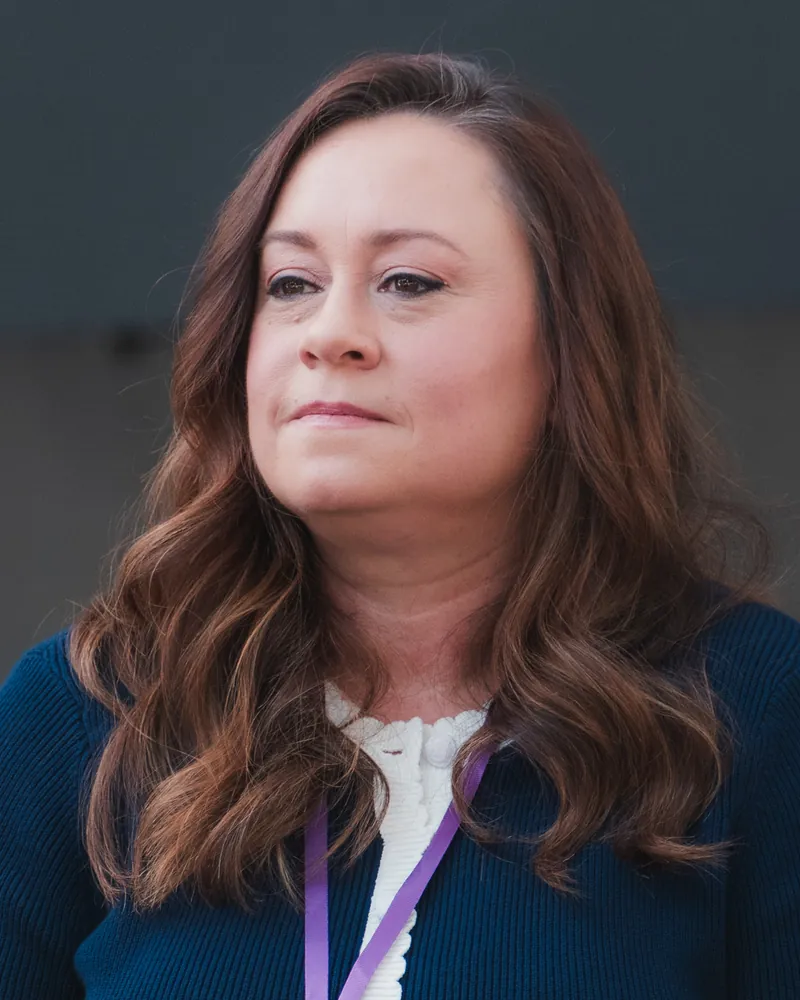
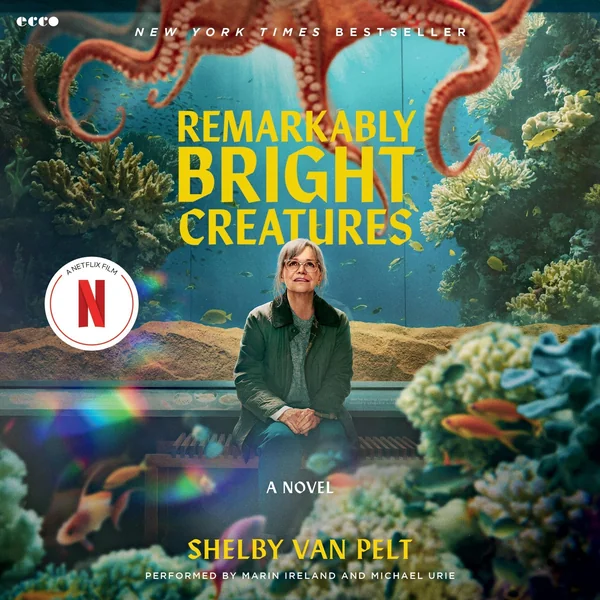
Shelby Van Pelt's beloved novel officially landed on Netflix on May 8, 2026, with Sally Field starring as widow Tova in a film adaptation directed by Olivia Newman. As reported in a May 17, 2026 interview with Van Pelt by The Indian Express, the production also features Lewis Pullman, Joan Chen, and Alfred Molina voicing the novel's beloved octopus Marcellus — confirming what has been one of the more closely watched literary adaptations in recent memory.
The film hit Netflix's streaming charts within 24 hours of its debut, according to CBR, adding to what GQ India noted — as cited in the Indian Express reporting — has been a broader pattern of literary adaptations dominating Netflix in 2026. The cast further includes Colm Meaney, Kathy Baker, Beth Grant, and Sofia Black-D'Elia, as confirmed by Netflix's own Tudum.
From Remarkably Bright Creatures the Novel to the Screen
Netflix announced in August 2024) that it had acquired the rights to adapt Van Pelt's 2022 novel, hiring Olivia Newman to direct and co-write the screenplay. The project moved swiftly from announcement to production, with filming confirmed underway well ahead of the May 2026 release. Newman, known for navigating emotionally layered storytelling, brings a practiced hand to material that hinges as much on interiority as incident — Van Pelt's novel centers on a widow whose quiet life is upended by an unexpected connection with an octopus at a local aquarium, a premise that requires a delicate tonal balance to land on screen.
The casting of Sally Field in the central role has drawn particular attention. Field's ability to anchor understated emotional performances in mainstream fare makes her a natural fit for Tova, and the decision to cast Alfred Molina as the voice of Marcellus the octopus adds a layer of gravity that pure CGI performance alone rarely achieves. Reviewers at RogerEbert.com have already drawn comparisons to Guillermo del Toro's The Shape of Water — a framing the film will inevitably have to reckon with, given its similarly unusual human-creature emotional dynamic. The Guardian's review, published on the same day as the premiere, also referenced the cultural footprint of My Octopus Teacher in contextualizing public appetite for octopus-centered storytelling.
Why This Adaptation Matters for Literary Fiction on Streaming
Van Pelt's novel occupies a specific and commercially durable corner of contemporary fiction — emotionally grounded, multigenerational women's fiction with a high-concept hook. That combination has proven adaptable before: works like Elizabeth Strout's Tell Me Everything and Marjan Kamali's The Lion Women of Tehran demonstrate how character-driven literary fiction, when anchored in specific emotional stakes, translates into sustained reader and viewer engagement. The swift chart performance of Remarkably Bright Creatures on Netflix within its first day of release suggests the film is connecting with a wide audience, not merely Van Pelt's existing readership.
The adaptation also arrives at a moment when the conversation around how streaming platforms handle nuanced, quiet literary source material is particularly active. The LA Times covered a Festival of Books panel on April 19, 2026, ahead of the premiere, at which the production's approach to Van Pelt's narrative was reportedly discussed — a signal that the adaptation had already generated serious critical anticipation before a frame was publicly screened.
For readers coming to the story fresh through Netflix, Remarkably Bright Creatures follows a widow whose life takes an unexpected turn through her connection with an octopus at an aquarium — a premise that is more emotionally resonant than its logline suggests. Want the full verdict on the source novel? Read our review of Remarkably Bright Creatures before — or after — you watch.
Frequently Asked Questions
When did Remarkably Bright Creatures premiere on Netflix?
Remarkably Bright Creatures premiered on Netflix on May 8, 2026. The film is based on Shelby Van Pelt's 2022 novel and stars Sally Field in the lead role of Tova, directed by Olivia Newman.
Who stars in the Netflix adaptation of Remarkably Bright Creatures?
The film stars Sally Field, Lewis Pullman, Joan Chen, Colm Meaney, Kathy Baker, Beth Grant, and Sofia Black-D'Elia. Alfred Molina voices Marcellus the octopus, a central character in both the novel and the film.
Should I read Remarkably Bright Creatures: A Novel before watching the Netflix film?
Reading the novel first gives you the full emotional depth of Van Pelt's storytelling and the interior perspective that screen adaptations often compress. That said, the Netflix film appears designed to stand on its own for viewers unfamiliar with the source material. You can read our review of Remarkably Bright Creatures: A Novel to help you decide.
Is Remarkably Bright Creatures: A Novel worth reading in 2026?
Van Pelt's novel has maintained a strong readership since its 2022 publication and now has renewed visibility thanks to the Netflix adaptation. It sits squarely in the tradition of emotionally layered women's fiction with an inventive high-concept premise. Check out our full review for a detailed assessment.
What is Remarkably Bright Creatures: A Novel about?
Remarkably Bright Creatures follows a widow whose quiet life shifts unexpectedly through a connection she forms with an octopus at a local aquarium. The novel weaves together themes of grief, self-discovery, and unlikely companionship.
Who directed the Netflix film adaptation of Remarkably Bright Creatures?
Olivia Newman directed the film and co-wrote the screenplay. Netflix announced the adaptation in August 2024, with Newman attached from early in the project's development.
Reader Discussion
No comments yet
Be the first to share your thoughts!