
In This Article
- A former Google X executive at the centre of the Chasing Utopia documentary
- What the documentary covers, and how it has been received
- Chasing Utopia and the wider AI-warning genre
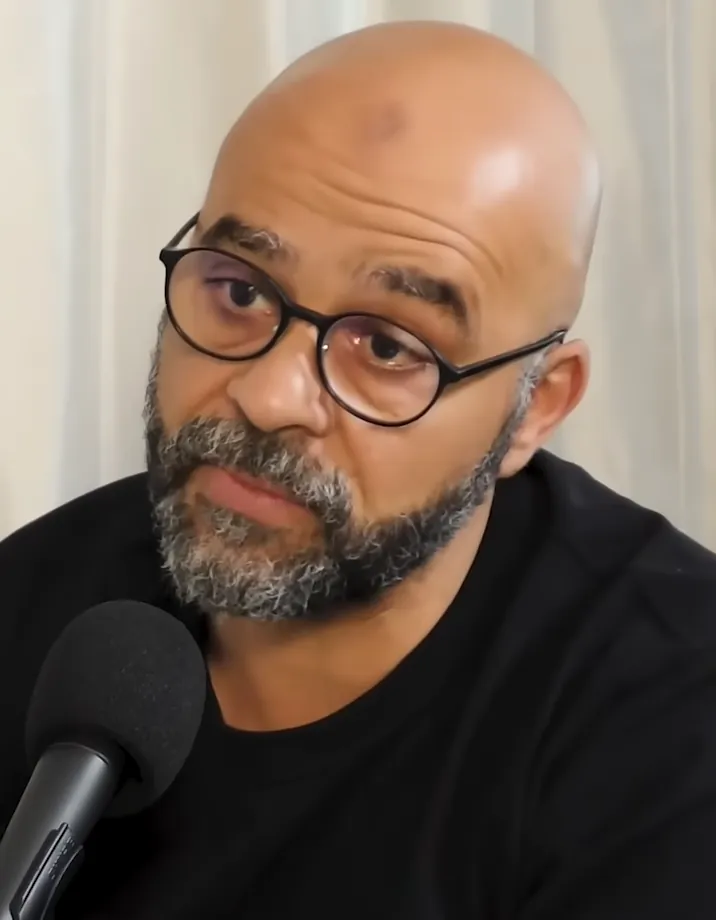
Mo Gawdat is the subject of Chasing Utopia, a 2026 documentary film that, according to his official website, asks a single question: will AI be humanity's greatest achievement or its greatest downfall?
The film has since reached audiences.
A former Google X executive at the centre of the Chasing Utopia documentary
The Guardian describes Gawdat as a former chief business officer at Google X who is now a touring cautionary voice on the perils of AI. It says he left Google after the death of his son following a botched appendix operation.
The review reports that he recalls feeling parental pride as he watched Google's AI-driven robotic arms learn to grasp objects, as children do. It adds that he believes humanity's capacity for benevolence is the training resource neural networks need if the technology is to avoid catastrophe.
The film's own site bills it as a feature documentary and says Gawdat spent two years travelling for it.
What the documentary covers, and how it has been received
The Guardian's reviewer lists a wide spread of concerns raised on screen: work being automated away, power concentrating with tech barons, mass surveillance and automated warfare. The film also covers what the review calls digital narcissism driven by hyper-optimised social media and porn.
The Guardian says AI pioneer Geoffrey Hinton appears to discuss the risk of exponential growth that may escape human control. The review is sceptical in tone, calling the film a concentrated stream of AI worries that can be hard to process by the end, including a segment on computers built from human brain cells.
The moral argument is the film's through-line, in the Guardian's reading: Gawdat's stated aim is to introduce an ethical dimension into a tech race that the reviewer likens to the frenzied season finale of late capitalism.
Chasing Utopia and the wider AI-warning genre
The film sits within a growing body of work in which insiders turn critics. What distinguishes this one, on the evidence of the Guardian's account, is its emotional framing: parenthood and grief shape both Gawdat's departure from industry and his case for teaching machines compassion.
The documentary is listed on Rotten Tomatoes, where its description frames it as a film about what it means to be human in the age of artificial intelligence. For readers of Gawdat's books, it offers a visual companion to his public argument about AI and human values.
Gawdat's written work on happiness and artificial intelligence is the natural starting point for anyone who wants his argument in full before, or after, watching the film.
Frequently Asked Questions
What is Chasing Utopia, the Mo Gawdat documentary?
It is a 2026 feature documentary with Mo Gawdat as its subject, asking whether AI will be humanity's greatest achievement or its greatest downfall.
Who directed the Chasing Utopia documentary?
The Guardian credits Alex Holmes and Lina Zilinskaite as the film's directors, and gives its running time as 83 minutes.
Is the Chasing Utopia documentary worth watching if I've read Mo Gawdat's books?
It presents his case about AI and human values on screen, with Geoffrey Hinton among those appearing, though the Guardian found its flood of AI concerns hard to process.
What is the main message of Chasing Utopia?
According to [the Guardian](https://www.theguardian.com/film/2026/may/12/chasing-utopia-review-renegade-google-exec-mo-gawdat-searches-for-ethical-ai-in-alarming-insider-warning)'s review, Gawdat argues that humanity's capacity for benevolence is what AI systems need to learn from if the technology is to avoid catastrophe.


No Discussion Yet
Be the first to share your thoughts on this news article.