
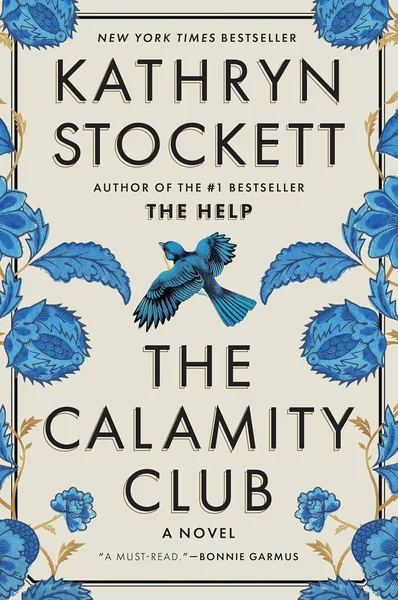
Barnes & Noble has named its 16 finalists for the 2026 Best Book of the Year, and Kathryn Stockett's The Calamity Club is among them — as Book Riot reported one day ago, the titles span fiction, nonfiction, and young readers categories.
Parade confirmed the full slate includes titles by bestselling authors Barbara Kingsolver and Stockett, signalling a shortlist heavy with literary weight.
Stockett's novel joins fiction contenders that, as noted by The Lagos Review, include Partita by Barbara Kingsolver, Cool Machine by Colson Whitehead, Land by Maggie O'Farrell, Whale Harbor by Mary Beth Keane, and Yesteryear — a competitive shortlist by any measure.
The Calamity Club: Stockett's Long-Awaited Second Novel Arrives on the Awards Radar
The Calamity Club is a Depression-era historical fiction novel set in Oxford, Mississippi in 1933, following an orphaned girl, an unmarried bookkeeper, and a resourceful woman whose lives converge amid poverty and constrained freedoms — according to Wikipedia's entry on the novel.
Published by Spiegel & Grau on May 5, 2026, it is Stockett's second novel in seventeen years, arriving after her debut The Help made her a household name in 2009, per the same Wikipedia entry.
The book reached number one on the New York Times bestseller list on publication, according to lisanneswart.com, and most recently appeared at #6 on the Publishers Weekly bestseller list for the week ending October 10, 2026.
A Yahoo Entertainment report also highlighted Stockett's finalist status, noting her deep Kentucky roots in its coverage of the announcement.
Why This Finalist Nod Carries Real Stakes for Literary Fiction in 2026
Barnes & Noble's Book of the Year carries significant commercial weight: a win — or even a finalist placement — historically translates to sustained front-of-store visibility and a meaningful sales lift at the country's largest physical bookseller.
For Stockett specifically, the recognition matters beyond sales figures: after a nearly two-decade gap between novels, a major retail award finalist nod affirms that the critical and commercial momentum generated at launch has held through the autumn season.
The full finalist list, confirmed by Pressbee, also includes titles across nonfiction and young readers — signalling that Barnes & Noble is casting the award broadly, giving literary fiction contenders like Stockett's novel a stage alongside cookbooks and picture books.
Seventeen years is a long time between books, and The Calamity Club faced enormous expectations as a follow-up to one of the most widely read debut novels of the 2000s; a Barnes & Noble Best Book of the Year finalist spot suggests it has largely met them.
Want the full verdict? Read our review of The Calamity Club for a detailed assessment of whether Stockett's long-awaited second novel delivers.
Dark
Hopeful
Propulsive
Survival
Friendship
Frequently Asked Questions
Is The Calamity Club: A Novel by Kathryn Stockett worth buying in 2026?
The Calamity Club reached number one on the New York Times bestseller list on publication and has since earned a Barnes & Noble 2026 Best Book of the Year finalist spot — strong indicators of broad appeal. Read our full review for a detailed verdict.
What is The Calamity Club about?
The Calamity Club is a historical fiction novel set in Oxford, Mississippi in 1933, following three women — an orphaned girl, an unmarried bookkeeper, and a resourceful down-on-her-luck woman — whose lives intersect during the Great Depression.
Who should read The Calamity Club by Kathryn Stockett?
Readers who enjoyed The Help or are drawn to character-driven historical fiction set in the American South will find The Calamity Club a natural fit, particularly those interested in Depression-era stories centred on women's lives.
How does The Calamity Club compare to Kathryn Stockett's The Help?
The Calamity Club is Stockett's first novel since The Help, arriving seventeen years later and set in 1930s Mississippi rather than the 1960s Civil Rights era — it shares the Southern setting and female-centred storytelling but charts new historical territory.
Which books are the other Barnes & Noble 2026 Book of the Year finalists alongside The Calamity Club?
Fellow fiction finalists include Partita by Barbara Kingsolver, Cool Machine by Colson Whitehead, Land by Maggie O'Farrell, Whale Harbor by Mary Beth Keane, and Yesteryear, among 16 total finalists spanning fiction, nonfiction, and young readers categories.
When was The Calamity Club published and by which publisher?
The Calamity Club was published on May 5, 2026, by Spiegel & Grau, making it Kathryn Stockett's second novel, seventeen years after her debut The Help.

No Discussion Yet
Be the first to share your thoughts on this news article.