7 min read
4.1
· 438 Amazon ratingsShare This Review
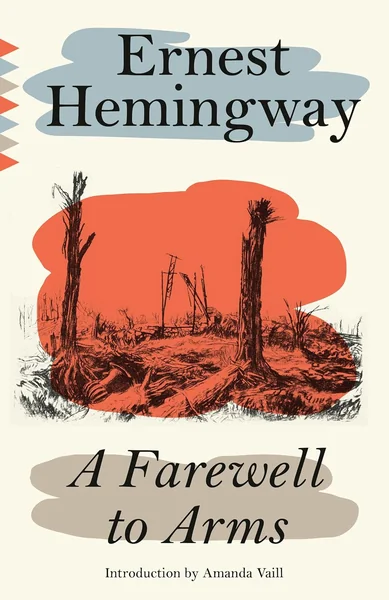
A Farewell to Arms by Ernest Hemingway Review: A Landmark War Novel, Newly Reissued
First published in 1929 and now reissued in a Vintage Classics edition with a new introduction by Amanda Vaill, Ernest Hemingway's A Farewell to Arms remains what Wikipedia's reception summary records as "the premier American war novel from World War I" — a spare, devastating account of love and loss set against the Italian campaign that cemented Hemingway's place in the canon and became his first bestseller.
LuvemBooks Verdict
Best for
Students, first-time readers of Hemingway, and general readers building a shelf of canonical American fiction who will benefit from Amanda Vaill's contextual introduction in this 2025 Vintage Classics edition.
Worth it if
Worth reading if you want to engage with the benchmark American war novel of World War I — one whose terse, double-stranded structure (war narrative and love story) repays both a first encounter and a return visit.
Skip if
Skip it if you need psychological interiority, expansive characterisation, or any consolation at the close — Hemingway's stripped style and unrelenting tragic arc make no concessions on any of those fronts.
What readers & critics say
Wikipedia records that the novel's publication "ensured Hemingway's place as a modern American writer of considerable stature" and that it has been called "the premier American war novel from World War I," becoming his first bestseller. Encyclopaedia Britannica places it within the tradition of Lost Generation disillusionment, noting its autobiographical texture drawn from Hemingway's own experience as an ambulance driver.
Sources: Wikipedia, BritannicaAsk LuvemBooks
Was this helpful?
- Is it worth reading?
- For readers willing to meet it on its own terms, A Farewell to Arms is an indispensable work — widely described as the premier American war novel from World War I and a landmark of American modernism. Its double-stranded structure, combining front-line war narrative with an intensely private love story, gives the novel a sustained emotional weight that neither strand could carry alone. The caveat is genuine: the novel's unrelenting bleakness and Hemingway's deliberately stripped prose offer no consolation and little psychological interiority, which will not suit every temperament.
- Similar books
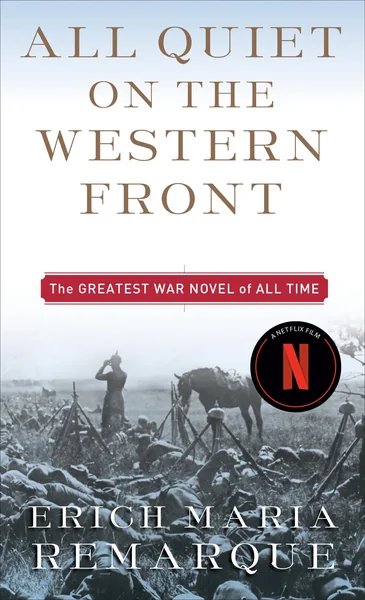
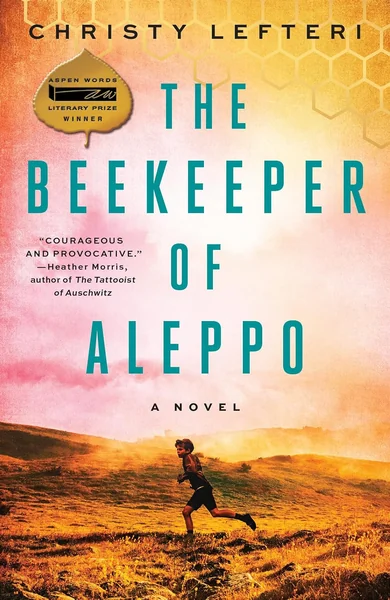
- Readers drawn to A Farewell to Arms for its portrayal of war's human cost will find close companions in the curated titles below. Erich Maria Remarque's All Quiet on the Western Front shares the same World War I setting and the same unflinching refusal to romanticise combat, making the two novels natural companions. For a more contemporary take on displacement, trauma, and survival, Christy Lefteri's The Beekeeper of Aleppo brings comparable emotional weight to a modern conflict. Those wanting to stay within Hemingway's own Lost Generation world might also explore For Whom the Bell Tolls, which extends his war fiction into the Spanish Civil War.
- Who should read this?
- A Farewell to Arms is well suited to students, first-time readers approaching the text with some contextual support, and general readers building a shelf of canonical American fiction. The 2025 Vintage Classics edition with Amanda Vaill's introduction makes it particularly accessible to newcomers unfamiliar with the geography and chronology of the Italian front. Readers drawn to the Lost Generation — F. Scott Fitzgerald, John Dos Passos — or to later American war fiction will find it an indispensable point of reference. Those who prefer expansive characterisation, hopeful resolutions, or psychological interiority are better served elsewhere.
- About Ernest Hemingway
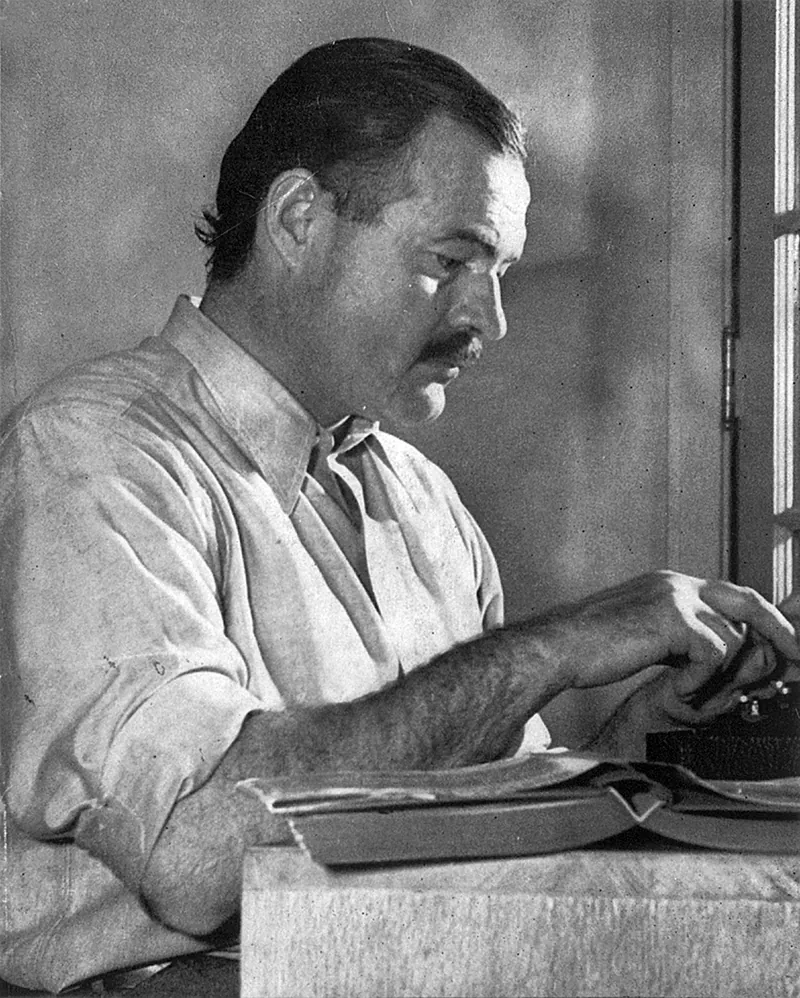
- Born in Oak Park, Illinois in 1899, Ernest Hemingway became one of America's most celebrated and influential writers, transforming both literature and the public's perception of what it meant to be an author.
- Tell me about the adaptations
- A Farewell to Arms has had a remarkably broad life beyond the page. It was adapted for the stage in 1930, then as a film in 1932 and again in 1957, and as a three-part television miniseries in 1966. The novel's cultural reach also extends to an unusual historical episode: its Italian translation, prepared illegally in 1943 by Fernanda Pivano, led to her arrest in Turin — a measure of the novel's charged resonance in Fascist-era Italy, where its unflinching portrayal of military defeat was unwelcome.
- What are the main themes?
- A Farewell to Arms operates across several interlocking themes: the dehumanising machinery of war set against the intensely private experience of love, the disillusionment of the Lost Generation, and the tension between collective devastation and individual survival. The recurring conversations between Frederic Henry and the army chaplain raise questions about God and the meaning of suffering that the novel never resolves. The double-stranded structure — war narrative and love story — means neither theme subsumes the other; instead, as the review notes, the interplay gives the novel a weight that neither strand could carry alone.
- Is it a good book club pick?
- A Farewell to Arms is a strong book club choice, particularly for groups interested in American modernism, World War I, or the craft of literary prose. Catherine Barkley's characterisation and the novel's gender dynamics have generated sustained critical debate for nearly a century, providing a ready-made discussion thread. The unrelenting tragic arc and Hemingway's refusal of consolation are likely to divide groups — which, as any book club knows, tends to produce the most productive conversations.
Summarize this book
Follow up
Synthesized from verified book data & published reviews · How we review
Press Enter to ask. Answers come from our editorial Q&A — start typing to see related questions.
Age & Reading Level
Recommended age
Ages 16+
Reading level
Adult
Content to know about
Best for: Adults / mature 16+ — wartime violence, death in childbirth, and sustained existential bleakness suit older readers.
Skip if you are looking for a hopeful or consoling story — the novel offers no mitigation of its tragedy.
Our Review
What the Novel Actually Is
Significance and Place in the Canon
What the Novel Does Well
Limitations and Who May Struggle
Who This Edition Is For
Sources & Further Reading
The key facts and claims in this review are grounded in the retrieved, verified sources listed below.
- Cited in this review
- 1
en.wikipedia.org
- Further reading
- 2
Ernest Hemingway, Wikipedia
- 3
- 4
- 5
- 6
salempress.com
- 7
Books like A Farewell to Arms
Curated picks for readers who enjoyed A Farewell to Arms, with our reasoning for each match.
If you liked A Farewell to Arms