
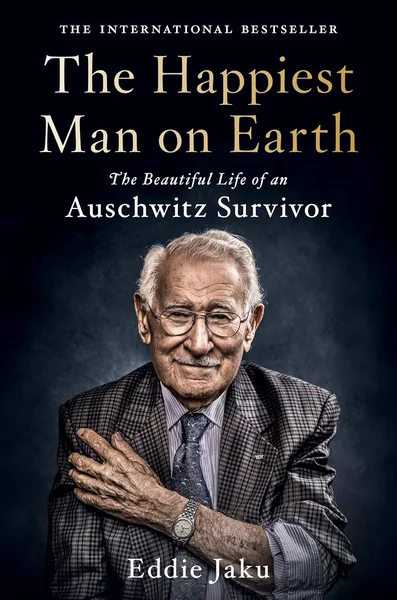
Eddie Jaku's Holocaust memoir transforms unimaginable trauma into a powerful testament to human resilience and the conscious choice of happiness, though its relentless optimism may not resonate with all readers seeking deeper psychological complexity.
What works
• Accessible writing style that makes difficult subject matter approachable for younger readers
• Powerful message about resilience and choosing happiness without minimizing trauma
• Authentic voice that feels like personal conversation rather than formal testimony
• Strong historical value combined with universal life lessons
• Appropriate balance of difficult content with hopeful perspective
What doesn't
• Conversational writing style may lack depth compared to more literary Holocaust memoirs
• Relentless optimism occasionally oversimplifies complex trauma recovery processes
• Limited psychological analysis of healing mechanisms