8 min read
4.6
· 551 Amazon ratingsShare This Review
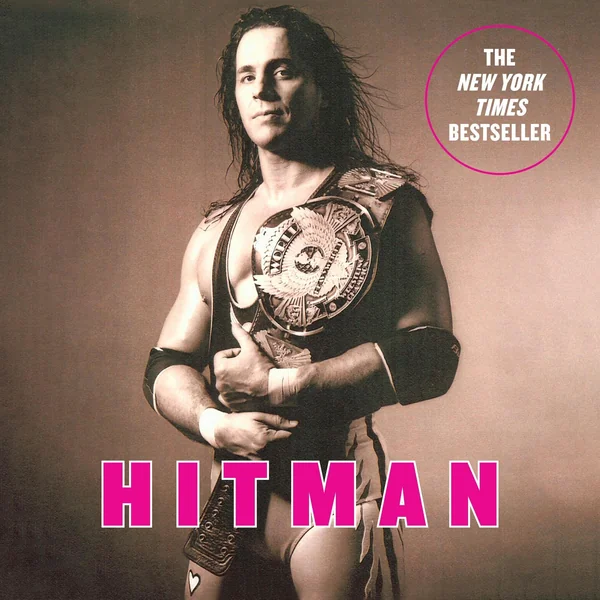
Foley Is Good: And the Real World Is Faker Than Wrestling by Mick Foley Review: A Champion Memoir With Heart and Humor
Mick Foley's second autobiography chronicles the triumphant final chapter of his in-ring career, debuting at number one on the New York Times bestseller list and delivering the same candid, riotous voice that made his first memoir a phenomenon.
LuvemBooks Verdict
Best for
Dedicated WWE Attitude Era fans who have already read Have a Nice Day! and want Foley's candid, firsthand account of his championship peak, retirement, and the cultural controversies surrounding the WWF.
Worth it if
You loved Have a Nice Day! and want to follow Foley through his triumphant final chapter — delivered with the same unfiltered honesty and comedic energy that made his debut memoir a landmark.
Skip if
You haven't read Have a Nice Day! first, or you're hoping for the raw underdog tension and career-hardship candor of that first memoir — this is deliberately a victory lap, not a reckoning.
What readers & critics say
Wikipedia confirms the book details Foley's career from January 1999 through his retirement at WrestleMania 2000, released May 8, 2001. Barnes & Noble's publisher synopsis highlights "total honesty and riotous humor" as its defining qualities, and notes its direct continuation from the number-one New York Times bestseller Have a Nice Day!.
Sources: Wikipedia, Barnes & NobleAsk LuvemBooks
Was this helpful?
- Is it worth reading?
- For WWE Attitude Era fans and readers who enjoyed Have a Nice Day!, Foley Is Good delivers on its promise: the same unfiltered candor and genuine comedic energy, now applied to championship reigns and high-profile feuds. Its number-one debut on the New York Times bestseller list — following the same achievement by Foley's first memoir — confirms its broad appeal. The limitation is scope: because Foley writes from a vantage point of hard-won success, the raw dramatic tension of the first book is largely absent. Readers seeking unflinching career-low candor will find that ground covered more thoroughly in Have a Nice Day!, but those looking for a jubilant insider account of one of wrestling's most beloved performers at his peak will find this deeply rewarding.
- Similar books
- Readers who enjoy Foley Is Good will find natural companions in the wider world of wrestling and sports memoir. Foley's own debut, Have a Nice Day: A Tale of Blood and Sweatsocks, is the essential starting point — it covers the grind and sacrifice that make this sequel's triumph meaningful. Bret Hart's Hitman: My Real Life in the Cartoon World of Wrestling offers a similarly candid, insider perspective from another Attitude Era icon, while Dwayne Johnson's The Rock Says... brings another key figure from Foley's own pages into the frame. Ric Flair's To Be the Man rounds out the era's memoir shelf with another larger-than-life wrestling personality's unfiltered account. For readers drawn to Foley's voice as a writer beyond wrestling, William Finnegan's Barbarian Days: A Surfing Life offers a comparable blend of athletic memoir and personal identity — a celebrated outsider-sport autobiography with genuine literary ambition.
- Who should read this?
- Foley Is Good is most rewarding for dedicated WWE Attitude Era fans who already have the context provided by Have a Nice Day! — the book's coverage of championship reigns, the 'I Quit' match with The Rock, and the cultural controversies surrounding the WWF will resonate most deeply with that audience. Readers who loved Foley's debut memoir are the natural next audience; the sequel delivers the same candid, comedic voice applied to a more triumphant period. More casual readers interested in Foley as a writer rather than a wrestler will still find entry points in the alternating personal-life chapters, though the book is not designed as a standalone introduction to Foley's story.
- Where should I start with Mick Foley?
- Have a Nice Day: A Tale of Blood and Sweatsocks is unambiguously the right entry point into Mick Foley's autobiographical work. It covers the years of physical sacrifice and career struggle that precede the triumphant period Foley Is Good chronicles, and its grind-and-sacrifice dramatic arc is what gives the sequel its full emotional weight. Foley Is Good is best understood — and most enjoyed — as the payoff to the story that begins in that debut memoir.
- How does it compare to Have a Nice Day!?
- Foley Is Good is more celebratory and energetic than Have a Nice Day!, reflecting the peak-career period it covers — championship reigns, mainstream crossover, and high-profile feuds like the 'I Quit' match with The Rock. Have a Nice Day! drew much of its power from raw underdog urgency and the physical and emotional toll of Foley's climb; that dramatic tension is largely absent in the sequel. Foley Is Good is, by design, a victory lap — which makes it enormously entertaining but somewhat less revelatory as biography. Readers seeking the unflinching examination of career lows will find that ground covered more thoroughly in the first memoir.
- Does Foley address WWE controversies?
- Yes — one of the book's distinguishing qualities is its willingness to engage directly with cultural controversies surrounding the WWF rather than sidestep them. Foley addresses debates over backyard wrestling, among other issues, giving the book a substance that sets it apart from standard athlete autobiography. This head-on approach to criticism is cited as a key strength in the book's reception, adding depth to what might otherwise have been a purely celebratory victory-lap narrative.
Summarize this book
Follow up
Synthesized from verified book data & published reviews · How we review
Press Enter to ask. Answers come from our editorial Q&A — start typing to see related questions.
Age & Reading Level
Recommended age
Adult
Reading level
Adult
Content to know about
Skip if you want a standalone memoir or are unfamiliar with WWE Attitude Era wrestling — the book functions as a direct sequel to Have a Nice Day! and assumes significant prior context.
Our Review
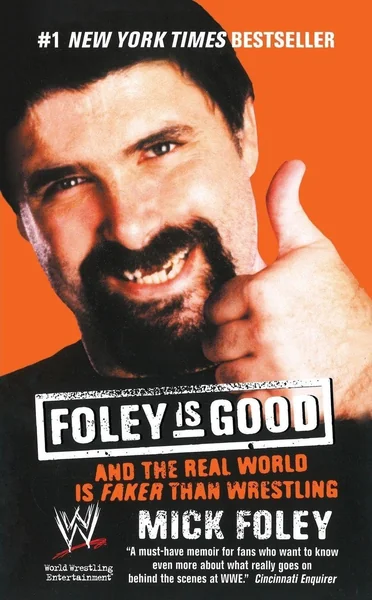
What the Book Is and What It Covers
Significance and Reception
Strengths: Voice, Honesty, and Behind-the-Scenes Access
Scope and Audience Considerations
A Genuine Limitation Worth Noting
Sources & Further Reading
The key facts and claims in this review are grounded in the retrieved, verified sources listed below.
- 1
- 2
Open Library
Books like Foley is Good
Curated picks for readers who enjoyed Foley is Good, with our reasoning for each match.