BOOKS
Published

Read Time

9 min read

Reader rating

4.6

· 27,667 Amazon ratings
reader ratings, not a LuvemBooks score
Curated & edited by

LuvemBooks Editorial

How we create our reviews →
Share This Review

How to Stop Worrying and Start Living by Dale Carnegie Review: A Landmark Self-Help Classic Worth Revisiting

Dale Carnegie's How to Stop Worrying and Start Living is one of the foundational texts of the self-improvement genre, offering structured, practical frameworks for breaking the cycle of anxiety and replacing it with proactive problem-solving. More than six million readers have turned to it across its decades in print, and this Gallery Books revised paperback edition keeps that tradition alive. This review is based on the book's contents and published reception, not hands-on application.
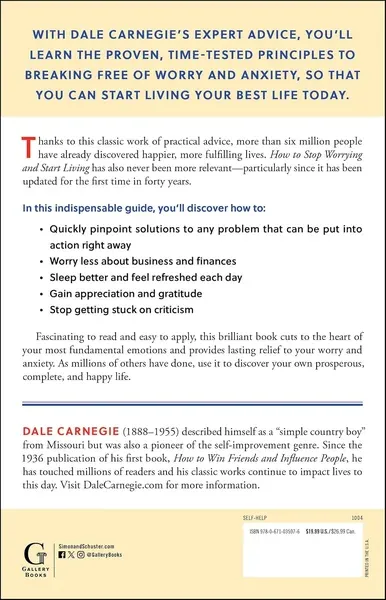
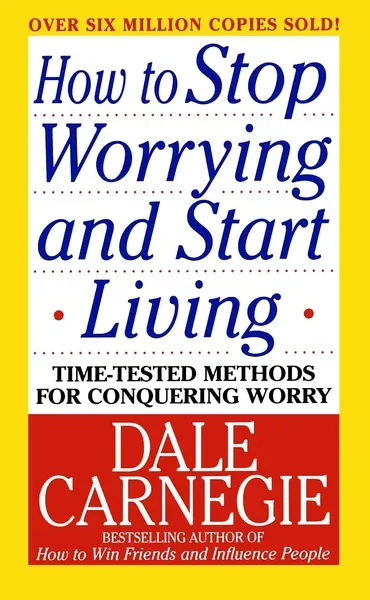
Back cover with synopsis, key learning points, author biography, and publisher details.Front cover with yellow background, blue title text, red author name band, and sales milestone statement.Tap to enlarge

LuvemBooks Verdict

Best for

Readers new to the self-help genre — or new to Carnegie specifically — who want a structured, principle-based starting point for managing everyday anxiety through actionable frameworks rather than clinical theory.

Worth it if

You're drawn to the classic self-help tradition of concrete rules, illustrative real-life stories, and a motivational conversational tone, and you want a broad-spectrum introduction to dismantling habitual worry across work, finances, sleep, and criticism.

Skip if

You expect research-backed guidance grounded in clinical studies or neuroscience, need deep specialized treatment of a single issue like chronic anxiety, or find mid-twentieth-century cultural references and anecdote-heavy argumentation a stylistic dealbreaker.

Reviewers at empowerprocess.com rate the book "an indispensable guide" and highlight its enduring relevance and practical approach as fundamental to the self-help genre. Goroundtable.com found Carnegie's worry-dissolving tips "incredibly practical and helpful" even for contemporary readers, while calvinrosser.com notes that the worry-analysis frameworks are especially useful in business and professional contexts, where anxiety about outcomes can destroy the ability to concentrate.

Sources: empowerprocess.com, goroundtable.com, calvinrosser.com, somanybooksblog.com, vocal.media
4.6from 27,667 Amazon ratings— reader ratings, not a LuvemBooks score

Age & Reading Level

Recommended age

Adult

Reading level

Adult

Skip if you prefer self-help grounded in clinical research, neuroscience, or peer-reviewed evidence rather than personal anecdotes and testimonials.

In This Review
  • What Works & What Doesn't
  • What the Book Actually Is and Does
  • Place in the Self-Help Canon
  • Core Strengths: Structure and Accessibility
  • Genuine Limitations: Age, Anecdote, and Audience Fit
  • Who This Book Is For Today

What Works & What Doesn't

What Works
  • Structured, actionable frameworks for identifying and dismantling habitual worry, organized for practical use rather than passive reading
  • Draws on a wide range of real-life examples and figures to ground its principles in concrete human experience
  • Covers an unusually broad range of worry-related topics — finances, sleep, criticism, gratitude — making it a wide-spectrum starting point
  • More than six million readers across its publication history attest to its sustained, cross-generational reach
  • Written in an accessible, conversational style that the publisher describes as 'fascinating to read and easy to apply'
What Doesn't
  • Heavy reliance on personal anecdotes and testimonials rather than clinical or scientific evidence may not satisfy readers accustomed to research-backed self-help
  • Cultural references and social context embedded in mid-twentieth-century examples can feel dated to contemporary readers
  • Breadth of coverage means no single topic — insomnia, finances, criticism, fatigue — receives deep, specialized treatment
A durable cornerstone of the self-improvement genre, this book has reached more than six million readers since its original publication and remains one of Dale Carnegie's most enduring works.

What the Book Actually Is and Does

How to Stop Worrying and Start Living is a practical self-help guide, structured around a set of techniques Carnegie presents as time-tested methods for dismantling habitual anxiety. The book is organized around actionable principles rather than abstract theory: readers are shown how to quickly pinpoint solutions to problems and act on them immediately, how to reduce worry tied to business and finances, how to improve sleep, and how to stop letting criticism derail daily life. A central premise Carnegie develops throughout is that worry functions as a habit — one that compounds stress rather than resolves it — and that recognizing this is the first step toward change. The approach is built around analysis and action: breaking a worry down, understanding its realistic scope, and replacing rumination with a concrete response.
fascinating to read and easy to apply

Place in the Self-Help Canon

Carnegie (1888–1955) is widely recognized as a pioneer of the self-improvement genre. His first book, How to Win Friends and Influence People, was published in 1936 and established him as one of the most influential popular writers of the twentieth century. How to Stop Worrying and Start Living followed and extended that legacy into the territory of anxiety and mental well-being, decades before the genre became as crowded as it is today. The book draws on real-life accounts and examples — figures including Admiral Byrd, Jack Dempsey, and J. C. Penney are referenced throughout — to ground its principles in concrete human experience rather than clinical abstraction. That biographical texture gives the book much of its distinctive character and helps explain its longevity.
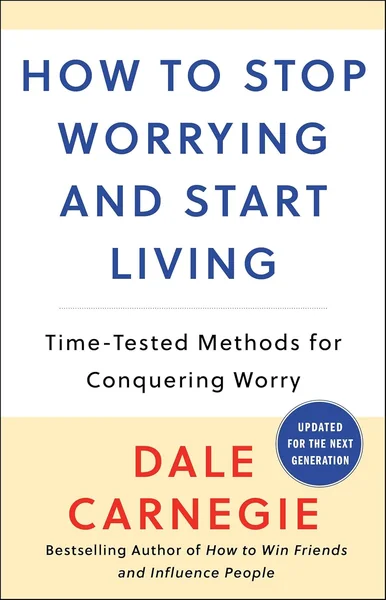
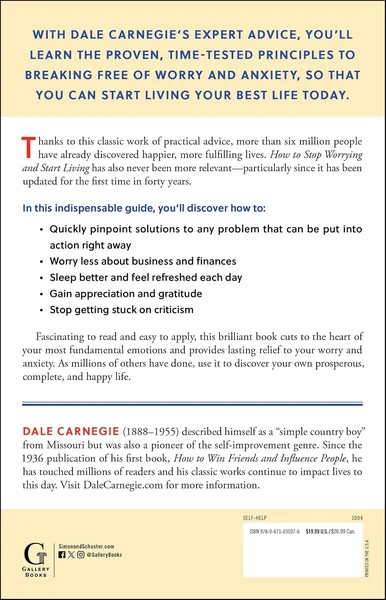
Back cover with synopsis, key learning points, author biography, and publisher details.

Core Strengths: Structure and Accessibility

The publisher's description emphasizes the book's accessibility, describing it as "fascinating to read and easy to apply," and that reputation for clarity has tracked the book across generations. Carnegie's method is to move from principle to example to actionable rule — a rhythm that makes the material digestible without stripping it of substance. The framework for confronting worry (define the situation fully, identify the worst possible outcome, accept it mentally if necessary, then work to improve on it) is among the most cited structures in popular productivity and wellness writing. Commentary from sources including calvinrosser.com notes that Carnegie's worry-analysis frameworks are particularly useful for business and professional contexts, where anxiety about outcomes can "destroy our ability to concentrate." For readers who prefer applied techniques over philosophical exploration, the book's design delivers that directly.

Genuine Limitations: Age, Anecdote, and Audience Fit

Any honest assessment of a book first published in the mid-twentieth century must acknowledge that some of its cultural references and the social context embedded in its examples now feel dated. Readers accustomed to research-backed self-help that cites clinical studies or neuroscience may find Carnegie's heavy reliance on personal anecdotes and testimonials a stylistic mismatch — the book argues from story and assertion more than from peer-reviewed evidence. Additionally, the book's scope is broad rather than deep: topics including insomnia, physical fatigue, criticism, finances, and gratitude are all addressed, but none receives the sustained treatment a dedicated volume on any one subject might offer. Readers seeking highly specialized guidance on, say, clinical anxiety or chronic stress may find the coverage appropriately introductory but insufficient on its own.
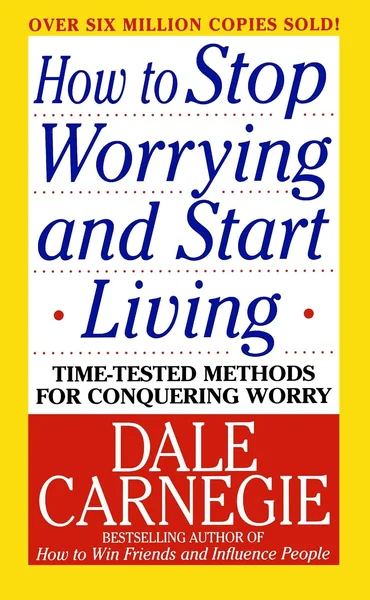
Front cover with yellow background, blue title text, red author name band, and sales milestone statement.

Who This Book Is For Today

Decades after its original publication, How to Stop Worrying and Start Living continues to serve readers who want a clear, principle-based starting point for managing everyday anxiety and building more deliberate habits of thought. Its relevance is strongest for those drawn to the classic self-help tradition — concrete rules, illustrative stories, and a motivational, conversational tone — rather than the more therapeutic or research-heavy frameworks common in contemporary wellness publishing. The Gallery Books revised paperback edition makes it broadly accessible. For anyone new to Carnegie, or new to the self-help genre altogether, this is among the most logical entry points available — not because every principle will resonate equally, but because so much of what followed it in the genre traces a direct line back to the methods collected here.

Sources & Further Reading

The key facts and claims in this review are grounded in the retrieved, verified sources listed below.

  1. Cited in this review
  2. 1
  3. 2
  4. Further reading
  5. 3
  6. 4
  7. 5
  8. 6
  9. 7
  10. 8
  11. 9
  12. 10
  13. 11
  14. 12
  15. 13
  16. 14