
8 min read
4.6
· 48 Amazon ratingsShare This Review
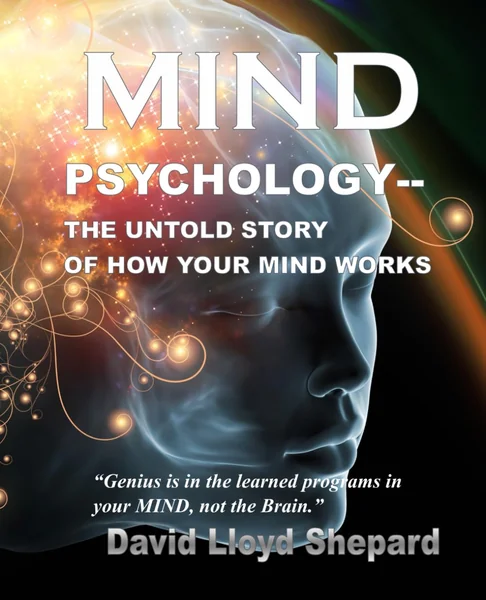
MIND: Psychology — The Untold Story by David Lloyd Shepard Review: A Broad, Illustrated Popular Psychology Reference
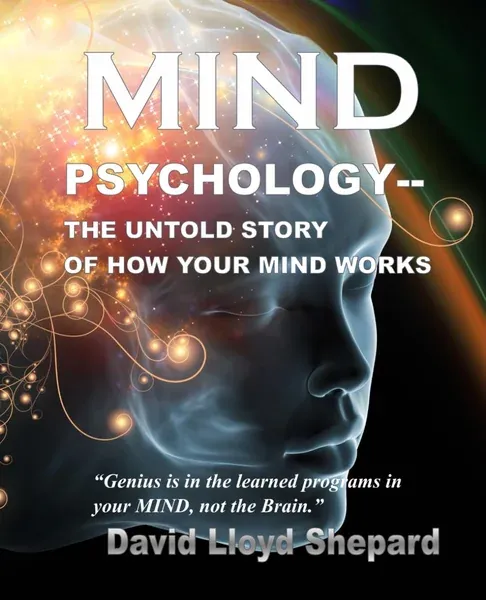
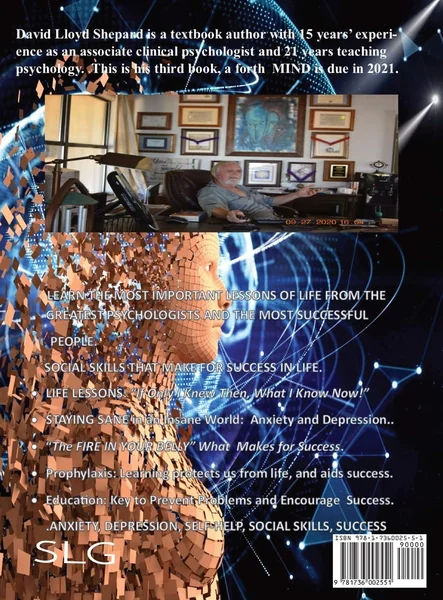
MIND: Psychology — The Untold Story of How Your Mind Works is a wide-ranging popular psychology reference by textbook author and associate clinical psychologist David Lloyd Shepard, designed to move beyond standard academic summaries and surface the discoveries and realities that conventional textbooks leave out. This review is based on the book's contents and published source commentary, not hands-on application.
 Tap to enlarge
LuvemBooks Verdict
Best for
Intellectually curious general readers who want to go beyond standard psychology education and have their assumptions about perception, behaviour, and cognition genuinely challenged — without tackling a formal academic textbook.
Worth it if
You're drawn to the surprising, counterintuitive, and routinely omitted findings in psychological science and appreciate an illustrated, accessible format built on professional academic grounding.
Skip if
You're looking for deep, systematic treatment of any single psychology topic, or need a rigorous textbook-style reference — the deliberately broad sweep and discursive popular framing are unlikely to satisfy that need.
What readers & critics say
Readers' Favorite describes MIND as "a thorough, comprehensive, and enlightening" work, praising its clear, accessible language and calling it a must-read for any thinking person seeking clarity and critical-thinking tools. No mainstream critical reviews of this specific title were found among the retrieved sources.
Sources: Readers' FavoriteAsk LuvemBooks
Was this helpful?
- Is it worth reading?
- For intellectually curious general readers open to having their assumptions about perception, behavior, and cognition genuinely unsettled, MIND delivers on its core promise. Readers' Favorite commentary notes that one reader was moved to transcribe thirty-seven quotations for further reflection — a telling signal of the book's density of memorable insight. The most cited takeaway is the realization that "not everybody perceives the same reality," a conceptual jolt that the same reviewer called the most important and personally shocking lesson in the book. Readers who want conventional textbook structure or deep, sustained treatment of a single topic may find the broad, discursive approach less satisfying.
- Who should read this?
- The ideal reader for MIND is an intellectually curious general reader who wants to go beyond what standard psychology curricula offer — someone open to having their assumptions about perception, behavior, and the limits of their own cognition genuinely challenged. Readers' Favorite commentary describes it as suited to "any thinking person" who needs greater clarity and critical thinking tools. It also functions well as a companion read for students who feel that formal coursework skims over the field's most counterintuitive and consequential findings. Readers seeking a systematic, textbook-style treatment or exhaustive depth on a single psychological topic will likely find the broad, discursive approach a poor fit.
- Similar books
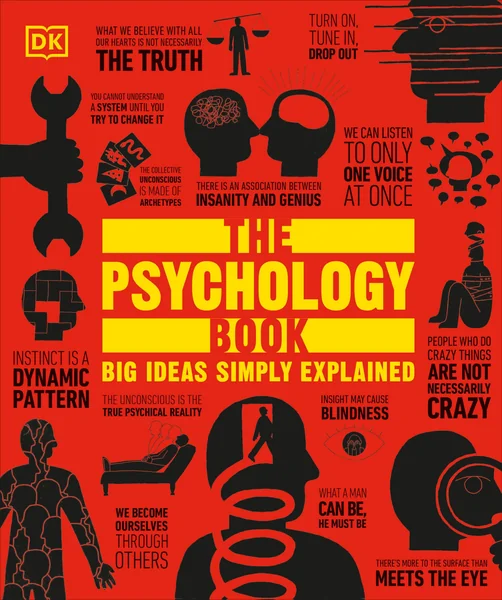
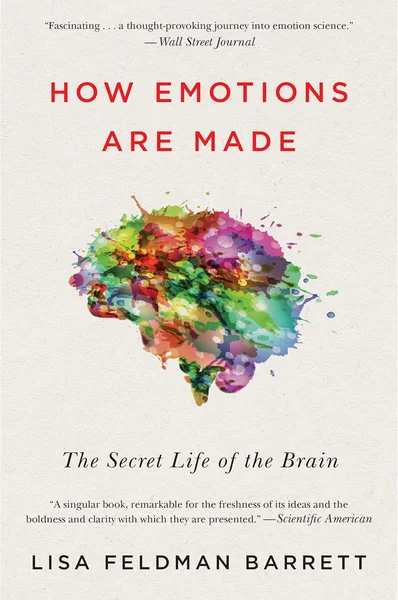
- Readers who enjoy MIND will find natural companions in several titles on the curated shelf below. Paul Kleinman's Psych 101 offers a similarly accessible, fact-rich introduction to psychology for general readers, while DK's The Psychology Book: Big Ideas Simply Explained provides a visually rich survey of the field's landmark ideas. Lisa Barrett's How Emotions Are Made digs deeper into the science of perception and subjective experience — directly relevant to MIND's core theme that not everybody perceives the same reality. For readers drawn to the behavioral and habit-forming dimensions Shepard touches on, Charles Duhigg's The Power of Habit offers sustained depth on a single topic. Sandi Mann's Psychology: A Complete Introduction is the closest structural alternative for readers who want a more systematic, textbook-adjacent treatment.
- Any sensitive content to know about?
- MIND is a popular psychology reference for adult general readers, and its thematic range includes discussion of the psychology of suicide bombers and the role of sex in human behavior. While the treatment is analytical rather than gratuitous, readers sensitive to those subjects should be aware they appear within the book's broad survey. There is no notable graphic violence, on-page harm, or content that would typically require a content warning beyond those topical areas.
- Where should I start with Shepard?
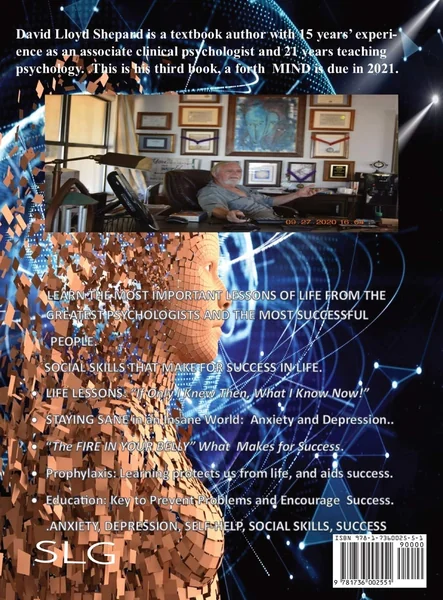
- MIND: Psychology — The Untold Story is a strong entry point for general readers drawn to psychology's overlooked and counterintuitive findings, given its accessible popular framing and rich illustration program. Readers who prefer a more systematic introduction to the field might start with Shepard's Psychology: The Science of Human Behavior before moving to MIND's more unconventional agenda. Those interested in practical psychological wellbeing will find Forces of Life: Preventing Psychological Problems a complementary volume within the same body of work.
- What's the most memorable insight?
- The most cited takeaway in published commentary is a fundamental point about subjective perception: the realization, as a Readers' Favorite reviewer put it, that "not everybody perceives the same reality" — a lesson the reviewer described as the most important and personally shocking in the book. The same reviewer noted being moved to transcribe thirty-seven quotations for further reflection, pointing to a density of genuinely memorable insight throughout. That the book can land this kind of conceptual jolt on readers unfamiliar with perceptual psychology speaks to the effectiveness of its popular framing. Readers' Favorite's commentary concluded that "for any thinking person, this is a must-read book that can give them the clarity and critical thinking tools they so desperately need in life."
Summarize this book
Follow up
Synthesized from verified book data & published reviews · How we review
Press Enter to ask. Answers come from our editorial Q&A — start typing to see related questions.
Age & Reading Level
Recommended age
Adult
Reading level
Adult
Content to know about
Skip if you want a systematic, textbook-style deep-dive into a single psychological topic rather than a broad popular survey.
Our Review
What the Book Is and What It Sets Out to Do
Scope and Structure
Reception and Reader Impact
Shepard's Authority and the Book's Place in His Wider Work
Limitations and Ideal Audience
Sources & Further Reading
The key facts and claims in this review are grounded in the retrieved, verified sources listed below.
- Cited in this review
- 1
- 2
- 3
- Further reading
- 4
- 5
readersfavorite.com
- 6
- 7
Books like MIND
Curated picks for readers who enjoyed MIND, with our reasoning for each match.
If you liked MIND
Why It’s Trending
Psychology Content Is Having a Moment — and This Book Goes Deeper Than Most
With mind-focused shows and content circulating widely right now, readers are hungry to go beyond the surface. MIND: Psychology — The Untold Story offers exactly that: the stuff conventional psychology books tend to skip.