8 min read
4.5
· 331 Amazon ratingsShare This Review
The Cat Owner's Manual by David Brunner & Sam Stall Review: Witty, Vet-Backed Feline Reference
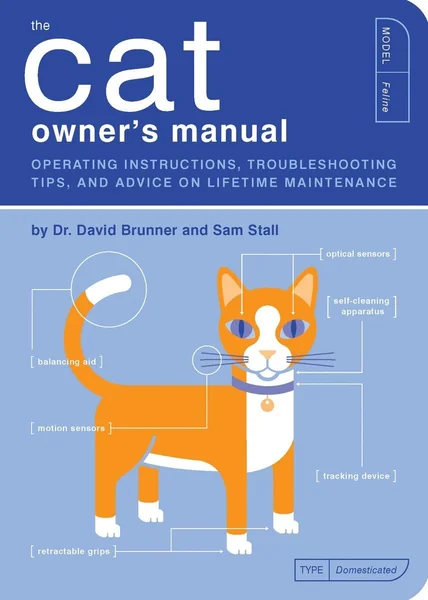
Published by Quirk Books in 2004, The Cat Owner's Manual pairs the clinical authority of Dr. David Brunner — a veterinarian with 25 years of experience and operator of Indianapolis's Broad Ripple Animal Clinic — with the popular writing of Sam Stall to deliver a humour-forward yet genuinely informative reference guide for cat owners new and experienced alike. Framed as a product manual for feline "technology," it tackles hundreds of common questions through step-by-step instructions and schematic diagrams, courtesy of Philadelphia-based illustrators Paul Kepple and Jude Buffum of Headcase Design.
LuvemBooks Verdict
Best for
First-time cat owners who want approachable, veterinarian-backed answers to everyday feline behaviour, and gift-givers seeking something entertaining without being empty.
Worth it if
You want a dip-in-and-out reference that makes feline quirks less baffling — and can appreciate humour as a delivery mechanism for genuine veterinary guidance.
Skip if
You need deep coverage of feline medicine or behavioural science, or are navigating serious health decisions — the episodic Q&A format and 2004 publication date make it unsuitable as a sole medical resource.
What readers & critics say
Publisher and bookseller synopses retrieved from vetbooks.ir and abebooks.co.uk consistently highlight the book's core promise: "hundreds of frequently asked questions" answered through step-by-step instructions and schematic diagrams, with vetbooks.ir noting the dual authorship of "celebrated veterinarian Dr. David Brunner and acclaimed author Sam Stall" as the book's credibility anchor. No independent critical reviews were among the retrieved sources.
Sources: vetbooks.ir, abebooks.co.ukAsk LuvemBooks
Was this helpful?
- Is it worth reading?
- For first-time cat owners and gift-givers, The Cat Owner's Manual delivers real value: the Q&A structure is genuinely well matched to how owners encounter problems — situationally, not sequentially — and Dr. David Brunner's credentials ensure the humour never comes at the expense of accuracy. More experienced owners are likely to find it a lighthearted refresher rather than a revelation, though the breadth of questions — spanning breeds, behaviour, grooming, and inter-pet compatibility — means most readers will encounter at least a few answers they hadn't previously considered. The main caveat is the 2004 publication date; readers with cats facing complex health decisions should verify current recommendations with a practising vet.
- Similar books
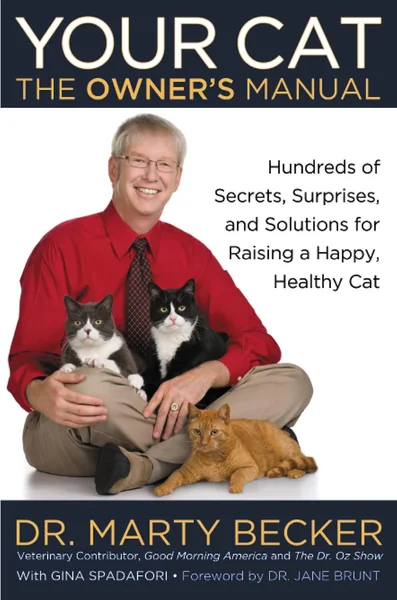
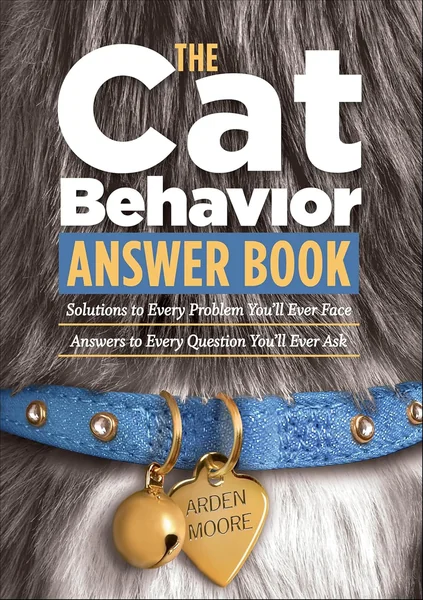
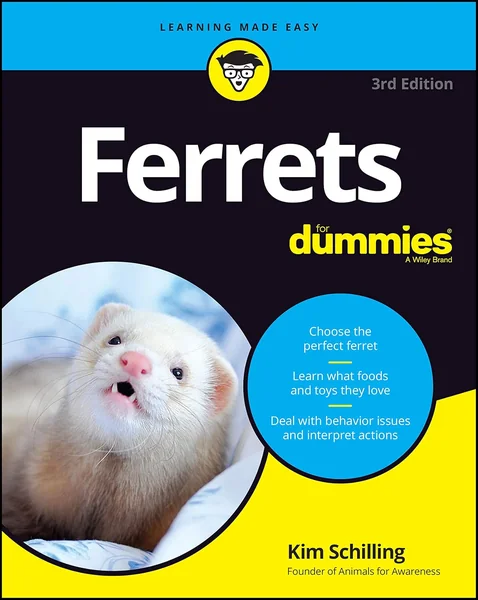
- Readers who enjoy The Cat Owner's Manual have several strong options nearby. Dr. Marty Becker's Your Cat: The Owner's Manual offers another vet-authoritative reference with an accessible tone. For readers more focused on feline behaviour and training, Pam Johnson-Bennett's Think Like a Cat and Jackson Galaxy's Total Cat Mojo both go deeper into the psychology of the domestic cat. Arden Moore's The Cat Behavior Answer Book similarly uses a Q&A structure for behaviour-specific questions. Pet owners with interest beyond cats may also enjoy Ferrets For Dummies by Kim Schilling, which brings the same practical, approachable format to small-animal care.
- Who should read this?
- The Cat Owner's Manual is best suited to first-time cat owners who want approachable, anxiety-lowering answers to bewildering feline behaviour, and to gift-givers looking for something entertaining without being empty. Its blend of schematic diagrams and humour-inflected instruction also makes it a natural fit for cat enthusiasts who engage with feline culture as much as feline care. More experienced owners may find it a lighthearted refresher, while readers needing deep coverage of feline medicine or behavioural science will want to pair it with more specialised resources.
- Does the manual gimmick actually work?
- According to LuvemBooks' assessment, the owner's-manual conceit does real structural work rather than functioning as mere window dressing. By framing common feline behaviours — scratch marks on furniture, dead mice on doorsteps, stray hairs on clothing — as 'troubleshooting' scenarios, the format lowers the anxiety threshold for new owners and creates a natural dip-in-and-out reference. Headcase Design's schematic diagrams reinforce the visual language throughout, and the Q&A structure is well matched to how owners actually encounter problems: situationally, not sequentially. The gimmick is anchored by Dr. David Brunner's genuine veterinary expertise, which is what separates this from a purely comedic novelty.
- How credible is the veterinary advice?
- The veterinary content is grounded in Dr. David Brunner's 25 years of small-animal practice and his operation of Indianapolis's Broad Ripple Animal Clinic, which has received the highest level of accreditation from the ASPCA. Dr. Brunner also co-authored The Dog Owner's Manual, meaning he had already applied his expertise to the same format before this volume. The division of labour — Brunner as the clinical authority and Sam Stall as the popular writer — is a deliberate structural choice designed to prevent the humour from undermining the accuracy. That said, the 2004 publication date means some guidance predates significant advances in feline nutrition science, vaccine protocols, and enrichment research.
- Is this a good book club pick?
- The Cat Owner's Manual is not a conventional book-club read in the literary sense, but its dip-in-and-out Q&A format and broad coverage of feline behaviour, breeds, and quirks could make it a fun shared reference for a group of cat owners. The comedic framing gives it social appeal, and the breadth of questions covered — spanning breeds, behaviour, grooming, and inter-pet compatibility — means most readers are likely to find at least a few answers they hadn't previously considered. Groups looking for a lighthearted, discussion-friendly pet-care pick would find it more rewarding than those seeking sustained thematic depth.
Summarize this book
Follow up
Synthesized from verified book data & published reviews · How we review
Press Enter to ask. Answers come from our editorial Q&A — start typing to see related questions.
Age & Reading Level
Recommended age
Adult
Reading level
Adult
who it suits
Skip if you need in-depth coverage of feline medicine, behavioural science, or guidance through serious medical and end-of-life situations.
Our Review
What the Book Actually Is
The Credentials Behind the Comedy
Strengths of the Format and Scope
Genuine Limitations to Consider
Who This Book Is For
Sources & Further Reading
The key facts and claims in this review are grounded in the retrieved, verified sources listed below.
- Cited in this review
- 1
- 2
- 3
- Further reading
- 4
- 5
Books like The Cat Owner's Manual
Curated picks for readers who enjoyed The Cat Owner's Manual, with our reasoning for each match.
If you liked The Cat Owner's Manual