Skip to content
Reviewed

Read Time

8 min read

Our age bandAdult
Reader rating
4.4 · 137,384 Amazon ratings, as of Nov 2026
reader ratings, not a LuvemBooks score
Curated & edited by

LuvemBooks Editorial

How we create our reviews →
Share This Review
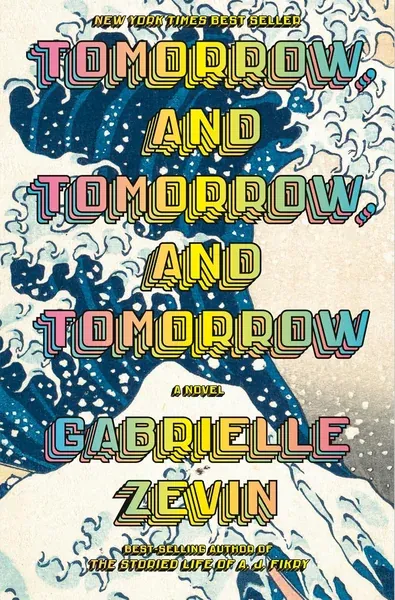
Tomorrow, and Tomorrow, and Tomorrow: A novel by Gabrielle Zevin front cover

Our review

Tomorrow, and Tomorrow, and Tomorrow

Tomorrow, and Tomorrow, and Tomorrow Review: A Love Story Between Creators

Sam Masur and Sadie Green forge a legendary creative partnership spanning three decades in Gabrielle Zevin’s novel. The book delivers a deeply felt portrait of two friends who become inseparable through their work, though its sprawling timeline and thematic ambition will not suit every reader.

Our age band: Adultsystemic erasure in creative industries · complex romantic entanglements

LuvemBooks Verdict

Best for

For readers drawn to expansive, decades-spanning sagas about the messy reality of lifelong creative partnerships and the intersection of art and romance, this novel offers a deeply felt portrait of collaboration.

Worth it if

Worth reading if you are looking for a character-driven exploration of how professional respect and unspoken grievances can fracture under the weight of ambition.

Skip if

Skip it if you prioritize tight plotting and thematic focus, as a reviewer at Writing at Large characterized it as a work that skims over heavy themes without meaningful engagement.

Where reviewers agree and split

Readers rate it 4.4 on Amazon. The reviews we read that discuss it in depth split on some points:

  • Negative

    Writing at Large · Book blog: criticizes the book as mediocre, clichéd, and a waste of time

  • Mixed

    Shelf Reflection · Book blog: lukewarm take citing slow pacing and unlikable characters despite some redeeming nostalgia

  • Positive

    Heidi Dischler · Book blog: praises exquisite writing and characters, though timeline structure could be tighter

    Overall verdicts are our summary of each review we read, from its headline, rating and conclusion.

    The novel was named to The New York Times’s 100 Best Books of the 21st Century and topped numerous bestseller lists upon its 2022 release. Critical reception remains split on its execution: while Heidi Dischler of Heidi Dischler commended its exquisite prose and authentic technical details, a reviewer at Writing at Large dismissed it as a work that superficially handles serious social themes.

    Sources: Heidi Dischler, Writing at Large, Shelf Reflection
    4.4from 137,384 Amazon ratings, as of Nov 2026— reader ratings, not a LuvemBooks score

    Ask LuvemBooks

    Was this helpful?

    Tomorrow, and Tomorrow, and Tomorrow chronicles the three-decade creative partnership between Sam Masur and Sadie Green, tracing their journey from a pediatric hospital to the heights of their professional careers. The narrative excels at mapping collaboration and the quiet erosion of personal bonds under professional ambition. While the sprawling timeline and non-linear structure may frustrate readers, it remains a rewarding portrait of art, identity, and creative obsession.
    Is it worth reading?
    It is worth reading if you are drawn to expansive, decades-spanning sagas about romance and professional ambition. Critics like Heidi Dischler praise its exquisite writing and authentic depiction of game design mechanics, while others note its thematic ambition. However, readers prioritizing direct engagement with systemic erasure may find the execution lacking.
    Similar books
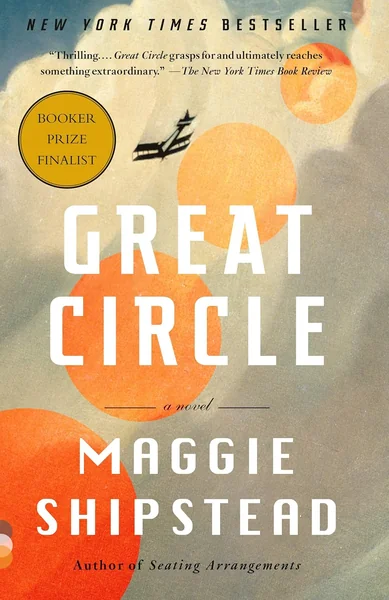
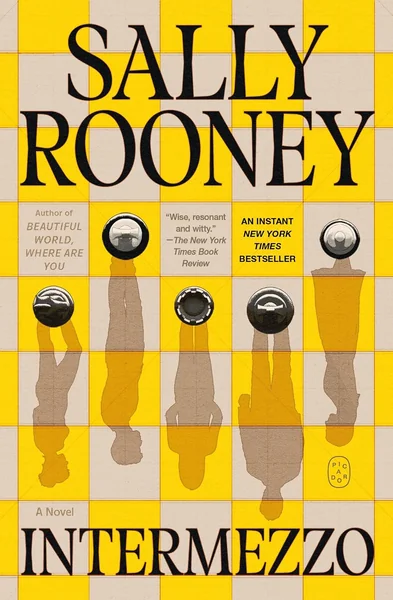
    Readers who appreciate its focus on creative obsession and complex partnerships will likely enjoy Maggie Shipstead's Great Circle, Sally Rooney's Intermezzo, and Ann Patchett's Tom Lake. These titles share the novel's literary depth and exploration of how professional and personal lives intertwine. Each offers a different lens on ambition, relationships, and the spaces between them.
    Who should read this?
    This novel is best suited for readers interested in character sagas and romance. It aligns closely with audiences who appreciate long-form storytelling that examines partnerships. Fans of literary fiction exploring professional dynamics will find it particularly rewarding.
    What age is it for?
    The novel is written for adults, featuring mature thematic elements and a sophisticated exploration of professional and personal relationships. Its complex narrative structure and focus on adult creative industries make it most appropriate for readers comfortable with ambitious storytelling.
    What are the main themes?
    The narrative carefully explores creative industries, showing how Sam’s work receives disproportionate cultural attention despite Sadie’s arguably greater contribution. It also examines the fragility of human connection against the relentless pull of professional drive, and the complex intersection of friendship, romance, and obsession. The book treats the creative sector as a vital ecosystem where identity and failure are actively negotiated.
    How is the narrative structured?
    The story jumps between Cambridge, Massachusetts, and Venice Beach, California. This structure mirrors the fragmented nature of memory and creative process, though some readers find it initially disorienting. The pacing shifts heavily toward industry mechanics in the middle chapters, which some critics found frustrating.
    Summarize this book

    Summarize this book

    The novel follows Sam Masur and Sadie Green as they forge a legendary collaboration. After meeting as adolescents in a hospital, they reunite at Harvard and MIT to co-found Unfair Games, navigating the evolving market alongside their roommate Marx Watanabe. The story charts their rise with the blockbuster Ichigo, followed by periods of intense synergy, bitter betrayals, and the gradual erosion of their personal connection as fame takes hold.

    Follow up

    How is the timeline structured?
    Who are the main characters?

    Synthesized from verified book data & published reviews · How we review

    Ask LuvemBooks

    What would you like to know about Tomorrow, and Tomorrow, and Tomorrow?

    Answers come from our editorial notes on this book. If we haven't covered something, we'll say so.

    Readers often ask

    Our Review

    We review the evidence: reader verdicts, gathered and weighed with AI assistance and edited by LuvemBooks, rather than one reader's first-hand take.
    Tomorrow, and Tomorrow, and Tomorrow by Gabrielle Zevin Review: A Love Story Between Creators

    Tomorrow, and Tomorrow, and Tomorrow: A novel by Gabrielle Zevin front cover
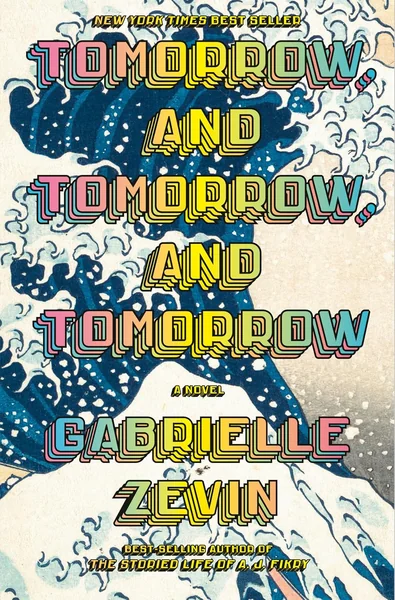
    Tomorrow, and Tomorrow, and Tomorrow: A novel by Gabrielle Zevin front cover
    Sam Masur and Sadie Green forge a legendary creative partnership that spans three decades, making Gabrielle Zevin’s novel a sweeping examination of art, identity, and the complex bond between collaborators. The book delivers a deeply felt portrait of two friends who become inseparable through their work, though its sprawling timeline and thematic ambition will not suit every reader.

    The Premise and the Creative Partnership

    Sam Masur and Sadie Green first meet as adolescents in a pediatric hospital, where Sadie’s visits help Sam, who has become selectively mute after a traumatic car crash, begin speaking again. Years later, the pair reunites as college students at Harvard and MIT, impulsively collaborating on a video game that launches their shared career.
    Alongside Sam’s roommate Marx Watanabe, the trio co-manages a successful studio called Unfair Games, navigating the rapidly evolving landscape of the video game industry. The narrative moves through periods of intense creative synergy, bitter betrayals, and the quiet erosion of their personal connection as fame and ambition take hold.
    Spanning three decades from Cambridge, Massachusetts, to Venice Beach, California, the story charts the rise of their first blockbuster, Ichigo, and the subsequent triumphs of their professional relationship. Zevin uses the framework of game design to explore how two people can build a shared world that ultimately becomes larger than their own bond.

    Significance in Contemporary Fiction

    The novel secured its place in recent literary history topping numerous bestseller lists upon its July 2022 release. Critics and commentators frequently highlight its exploration of the intersection between love, friendship, and vocational obsession.
    The book functions as a modern saga that tracks the relentless pull of creative ambition against the fragility of human connection. Knopf senior vice president Todd Doughty noted that the novel draws inspiration from various sources, including Brenda Romero’s undistributed board game Train, alongside books, plays, and visual art.
    This grounding in a specific creative subculture elevates the story beyond a standard character study into a meditation on the immortality found in collaborative art. The narrative treats the video game industry not merely as a backdrop, but as a vital ecosystem where identity, disability, and failure are actively negotiated.

    Critical Reception and Narrative Strengths

    Independent critics have delivered sharply divided verdicts on Gabrielle Zevin’s novel. Writing at Large issued a negative assessment, dismissing the work as a "best-selling mediocre, patchwork of little substance" that is ultimately a waste of time and heavily clichéd. Shelf Reflection offered a mixed evaluation, noting that while the book contains some redeeming nostalgia, its slow pacing and unlikable characters keep it from truly resonating, resulting in a lukewarm reaction where the reader simply "didn’t hate it but it didn’t do much for me."
    Conversely, Heidi Dischler provided a positive review, praising the exquisite writing and characters enough to deserve a solid four stars for its writing and characters, even while suggesting the timeline structure could be tighter.
    Heidi Dischler found the narrative's focus on the mechanics of creation to be a standout element, noting that the technical talk added genuine texture to the characters' lives. The book succeeds in mapping the long, complicated process of creative usurpation, particularly regarding how Sam’s work receives disproportionate cultural attention despite Sadie’s arguably greater contribution.
    The narrative carefully illustrates this dynamic without assigning blame to any single individual, instead showing how systemic erasure and personal complicity intertwine. This nuanced approach to the dynamics of partnership remains the novel's most compelling achievement, capturing the exact moment when professional respect begins to fracture under the weight of unspoken grievances.

    Genuine Limitations and Points of Contention

    Despite its widespread acclaim, the novel’s execution divides readers who prioritize tight plotting and thematic focus. A reviewer at Writing at Large characterized the book as a commercially successful but shallow and disjointed work, arguing that it skims over heavy themes like sexism, racism, and disability without offering meaningful engagement.
    The reviewer contended that the narrative throws in diverse characters and hot-button topics merely to maintain reader interest, ultimately leaving those themes unexplored. Other readers found the novel's pacing and structural choices frustrating.
    A reviewer at Shelf Reflection described the book as "too slow-paced and a bit ‘extra,’" noting that the characters' flaws frequently overshadowed their strengths.
    This reviewer also pointed out that the frequent flashbacks and non-linear timeline created confusion, making it difficult to track the progression of the characters' lives. The narrative's refusal to settle into a straightforward chronology can feel like an obstacle rather than a feature for some audiences.
    The pacing issues are particularly noticeable during the middle chapters, where the focus shifts heavily toward industry mechanics rather than character development.

    Is It Worth Reading?

    Weighing the critical reception, the novel stands as a rewarding choice for readers who enjoy expansive character sagas and the intersection of art and romance. It aligns closely with audiences who appreciate long-form storytelling that examines the messy reality of lifelong partnerships and the sacrifices required to build something enduring.
    Readers seeking a tightly paced thriller or a direct exploration of the specific social issues it touches will likely find the execution lacking. The book invites comparison to foundational literary and gaming texts that shape its characters' worldviews, such as Richard Powers’s Galatea 2.2 and the stealth-action game Metal Gear Solid.
    It also serves as a deliberate contrast to the sci-fi adventure tropes of Ready Player One, grounding its fantastical elements in the gritty, collaborative reality of professional game development. The novel ultimately asks whether the bond between true collaborators can survive the weight of their own creation, leaving the answer open to interpretation.

    Sources & Further Reading

    The key facts and claims in this review are grounded in the retrieved, verified sources listed below.

    1. 1
    2. 2
    3. 3
    4. 4
    5. 5
    6. 6
    7. 7
    8. 8

    Age & Reading Level

    Our age band

    Adult

    Our age band groups books for browsing; it isn't an age a review gave.

    Content to know about

    systemic erasure in creative industries
    complex romantic entanglements
    non-linear timelines

    Skip if you prioritize tight plotting and direct thematic engagement

    From our readers

    Reader reviews

    No LuvemBooks readers have answered yet.

    Read it? Was it right for you?

    Discussion

    Reader comments