BOOKS
Published

Read Time

8 min read

Reader rating

4.3

· 2,971 Amazon ratings
reader ratings, not a LuvemBooks score
Curated & edited by

LuvemBooks Editorial

How we create our reviews →
Share This Review

Our review

The Committed by Viet Thanh Nguyen Review: A Razor-Sharp Sequel Set in Paris

The Committed is Viet Thanh Nguyen's sequel to his Pulitzer Prize-winning debut The Sympathizer, following the unnamed narrator as he arrives in Paris in the early 1980s with his blood brother Bon, becomes entangled in organized crime, and confronts the deep contradictions of French colonialism and identity. It is a New York Times bestseller that extends one of contemporary fiction's most politically fearless voices into new, equally combustible territory.

LuvemBooks Verdict

Best for

Readers who loved The Sympathizer and want to follow the Captain's fractured identity into postcolonial Paris, and who relish fiction that operates simultaneously as crime thriller, dark comedy, and philosophical essay on colonialism and belonging.

Worth it if

You've read The Sympathizer and are prepared to engage Nguyen's dense, allusive prose as both gripping narrative and sustained political meditation — the novel's ironies and layered postcolonial argument reward exactly that dual attention.

Skip if

You haven't read The Sympathizer, prefer propulsive genre thrillers over philosophical fiction, or find extended intellectual digressions a barrier to narrative enjoyment — this is not a standalone entry point.

Kirkus Reviews (starred review) calls it "a quirky intellectual crime story that highlights the Vietnam War's complex legacy," praising Nguyen's deft balance of existential despair and the lurid glow of a crime saga. The Guardian's review, by Aminatta Forna, frames the novel as a powerful challenge to enduring narratives of colonialism, arguing that together with The Sympathizer it amounts to much more than the sum of its parts. Slate highlights a "deliciously complex irony" in transplanting the narrator to France — the very colonial power that shaped Vietnam — and notes that Nguyen's satirical scope has shifted continents without narrowing. Bookmarks Reviews observes that while the novel indulges in espionage high jinks, Nguyen is less interested in thriller mechanics than a plot summary might suggest, and that the book carries some of a sequel's inherent inelegance alongside its transcendent ambitions.

“A quirky intellectual crime story that highlights the Vietnam War's complex legacy — Nguyen is deft at balancing his hero's existential despair with the lurid glow of a crime saga.”

— Kirkus Reviews

“Together with The Sympathizer, it amounts to much more than the sum of its parts — a powerful challenge to an enduring narrative of colonialism and neo-colonialism.”

— The Guardian

“There's a deliciously complex irony to this development, as there is in so much of Nguyen's fiction.”

— Slate
Sources: Kirkus Reviews, The Guardian, Slate, Bookmarks Reviews
4.3from 2,971 Amazon ratings— reader ratings, not a LuvemBooks score
Buy on Amazon

Age & Reading Level

Recommended age

Adult

Reading level

Adult

Content to know about

political violence and torture (referenced, not graphic)
organized crime and drug trade
colonial trauma and racial identity

Best for: Adults — dense, allusive prose and sustained postcolonial philosophical argument require mature and patient readers; the novel is not intended for younger audiences.

Skip if you want a propulsive, plot-first thriller without extended philosophical and political digressions.

In This Review
  • What Works & What Doesn't
  • What the Novel Is and What Happens
  • The Narrator's Fractured Identity at the Novel's Core
  • Its Place in Nguyen's Career and in the Larger Trilogy
  • Strengths: Wit, Philosophical Weight, and Genre Range
  • Who It's For and Where It Demands More

What Works & What Doesn't

What Works
  • Extends the Pulitzer Prize-winning narrator's story into postcolonial Paris with fresh thematic urgency
  • Blends organized crime thriller with sustained philosophical and political meditation, sustaining genre range across both books
  • Nguyen's satirical wit operates at full force, skewering colonialism, ideology, and identity without relinquishing narrative momentum
  • A New York Times bestseller continuing a series that has sold more than one million copies worldwide
What Doesn't
  • Functions as a direct sequel and rewards readers who have read The Sympathizer — not a standalone entry point
  • Nguyen's dense, allusive prose and extended philosophical passages require an engaged, patient reader
This review covers the content and published reception of The Committed as documented by named sources; it does not reflect hands-on reading or use.
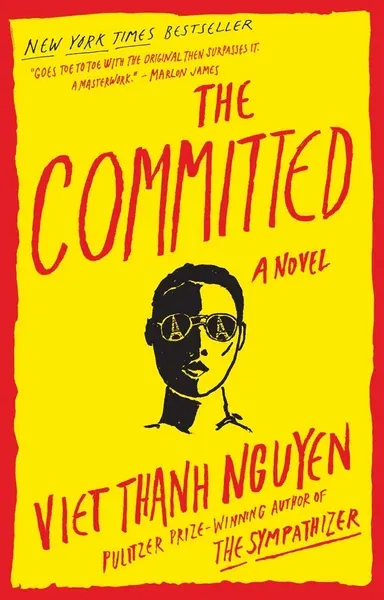
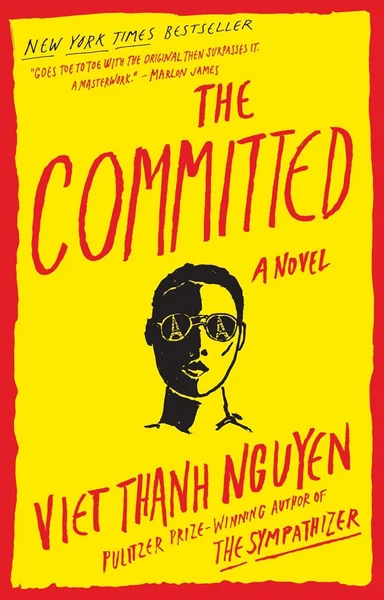
The Committed (The Sympathizer, 2) by Viet Thanh Nguyen front cover

What the Novel Is and What Happens

The Committed picks up where The Sympathizer left off. Nguyen's anonymous narrator — sometimes called "the Captain" in the first novel for his rank in the South Vietnamese army — has survived the psychically obliterating reeducation at the hands of the communist regime he served as a spy, as Slate's review recounts, and now washes ashore in France in the early 1980s alongside his blood brother Bon. The two men attempt to build new lives in Paris, but the path they find leads directly into the city's organized crime underworld. According to bookseller sources, the novel blends the mechanics of a psychological and political thriller with the atmosphere of a crime narrative, while sustaining extended meditations on colonialism, national identity, and ethics. The narrator must deploy all of his wits, resourcefulness, and what one retailer summary calls "moral flexibility" if he is to survive.
“as shallow, boring, and sentimental as a bad television show that had somehow become a hit”

The Narrator's Fractured Identity at the Novel's Core

The thematic engine of The Committed is an intensified version of the duality that drove The Sympathizer. As Slate's review details, where the narrator previously considered himself split in two — a product of being the illegitimate son of a Vietnamese mother and a French Catholic priest — he now understands himself as fractured into at least three parts. The epithet that most galled him, "bastard," has always carried, in his view, less to do with his parents' unmarried status than with his biracial identity. Now transplanted to France — the very colonial power that shaped Vietnam — that fracture deepens. Slate notes a "deliciously complex irony" in this displacement: Nguyen takes his Vietnamese characters into what the review calls "the dark heart of their postcolonial turmoil," deliberately sidelining American exceptionalism. The narrator's verdict on the American Dream — described in Slate's excerpt as "as shallow, boring, and sentimental as a bad television show that had somehow become a hit" — signals that Nguyen's satirical scope has not narrowed but shifted continents.

Its Place in Nguyen's Career and in the Larger Trilogy

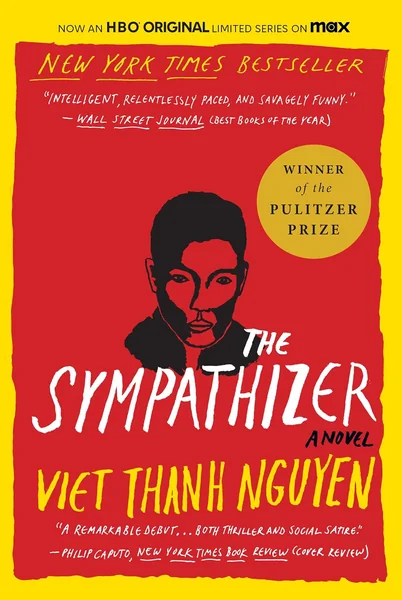
The Sympathizer, published in 2015, was Nguyen's debut novel and went on to win the 2016 Pulitzer Prize for Fiction along with seven other prizes, selling more than one million copies worldwide. Nguyen has stated publicly that The Sympathizer and The Committed are intended to be the first two volumes of a trilogy, making this sequel a middle chapter in a larger, still-unfolding architecture. Slate's review credits the predecessor — citing Philip Caputo's notice in critical coverage — as one of only a handful of American novels about the Vietnam War and its aftermath that puts Vietnamese characters at center stage. The Committed is, in that context, a deliberate continuation of that corrective project, this time relocating the center of gravity from American soil to the streets of Paris. The novel was also a New York Times bestseller in its own right.

Strengths: Wit, Philosophical Weight, and Genre Range

Bookseller commentary consistently highlights Nguyen's ability to hold competing registers in tension: the novel offers, in the words of one source, "caustic wit, philosophical gravitas, and broad historical understanding" alongside genuine thriller momentum, with action described as plentiful. The genre blend — organized crime, psychological thriller, political fiction, and postcolonial essay — is a deliberate feature of Nguyen's method, consistent with the multi-genre construction of The Sympathizer, which Wikipedia notes incorporated mystery, metafiction, dark comedy, historical fiction, spy fiction, and war narrative. For readers who responded to that approach, The Committed delivers the same dense layering in a new setting with new antagonists.

Who It's For and Where It Demands More

The Committed is unambiguously a sequel, and readers who come to it without The Sympathizer will find themselves without essential context for the narrator's psychology, relationships, and history. The novel is structured to reward those already invested in the Captain's long arc of betrayal, survival, and self-interrogation. Nguyen's style — dense, allusive, and intellectually demanding — is a consistent feature across both books, and readers seeking a more propulsive or straightforward thriller may find the novel's philosophical interludes require patience. The book's richest pleasures — its ironies, its layered postcolonial argument, its dark comedy — are most accessible to readers prepared to engage the text as both fiction and political meditation simultaneously.

Sources & Further Reading

The key facts and claims in this review are grounded in the retrieved, verified sources listed below.

  1. 1
  2. 2
  3. 3
  4. 4

    groveatlantic.com

  5. 5
  6. 6
  7. 7
  8. 8
  9. 9
  10. 10