
Share This Review
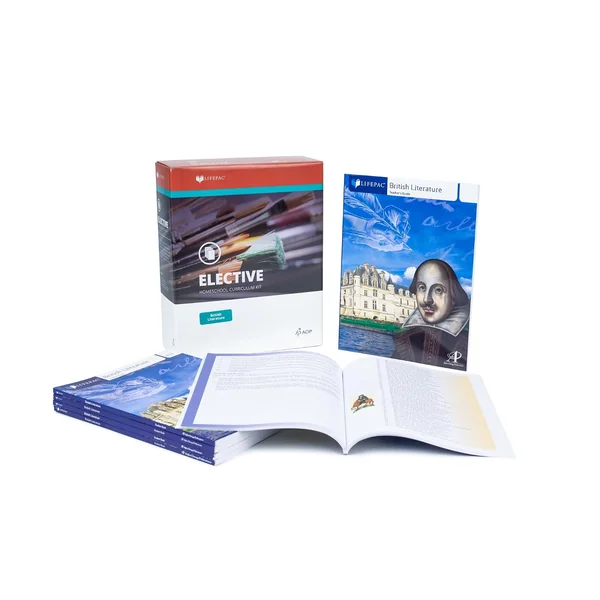
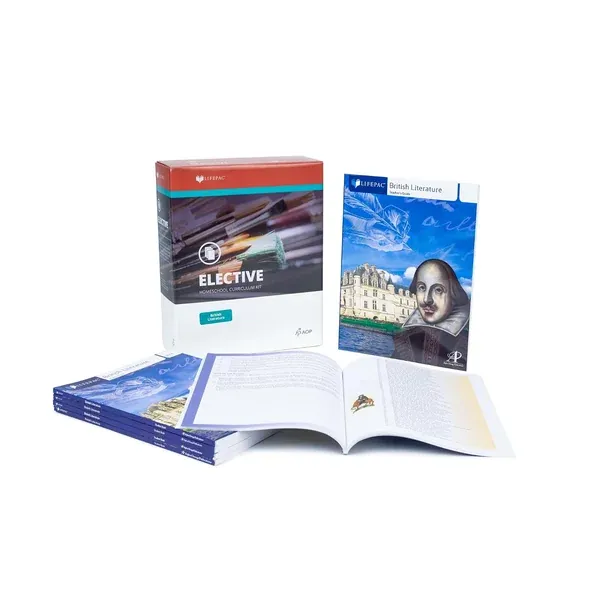
Our review
British Literature
British Literature Review: A Homeschool Curriculum by Alpha Omega
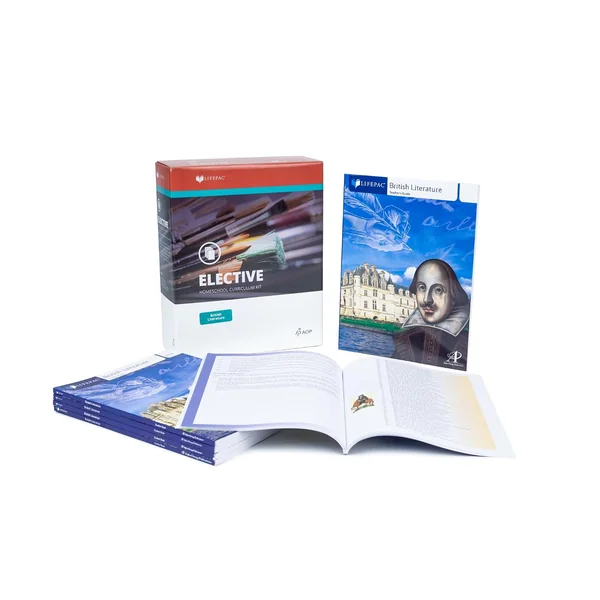
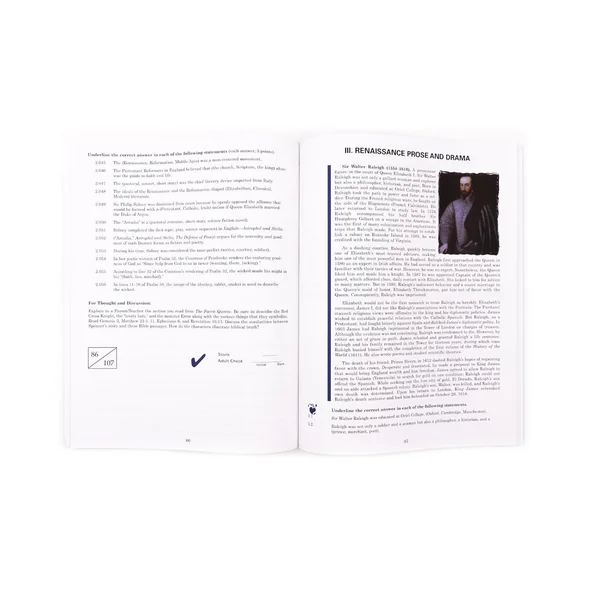
“British Literature” is a consumable Alpha Omega worktext for grades 7–12 that surveys English literary history through a structured, LIFEPAC curriculum. It offers a manageable, self-paced alternative to bulky anthologies for homeschool families seeking guided literary instruction.
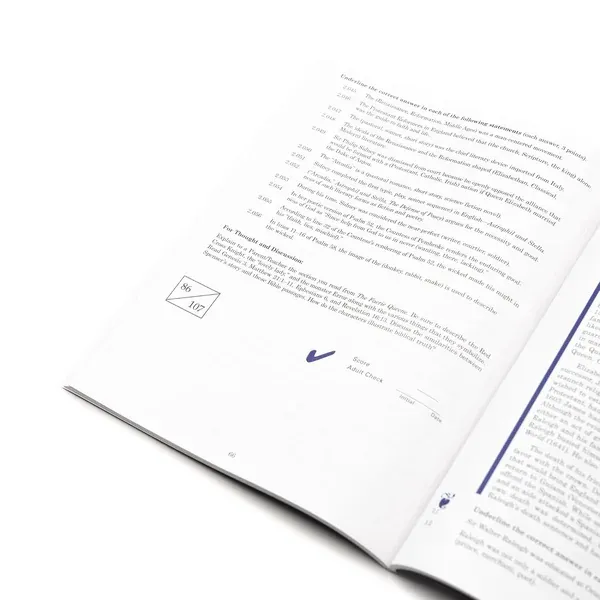
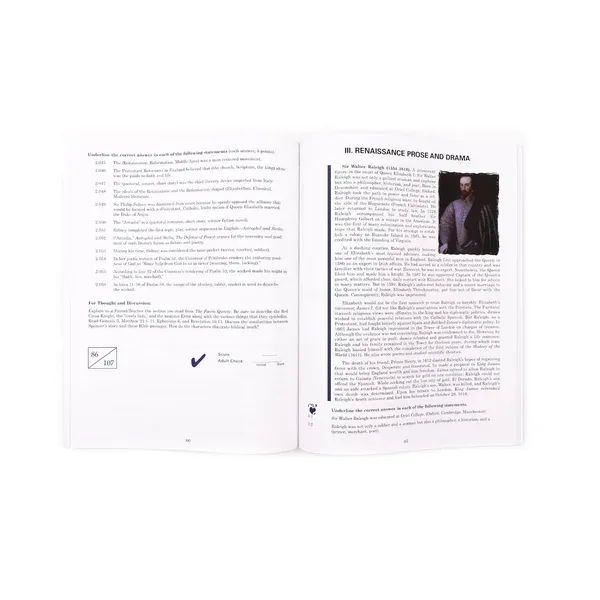 Tap to enlarge
LuvemBooks Verdict
Best for
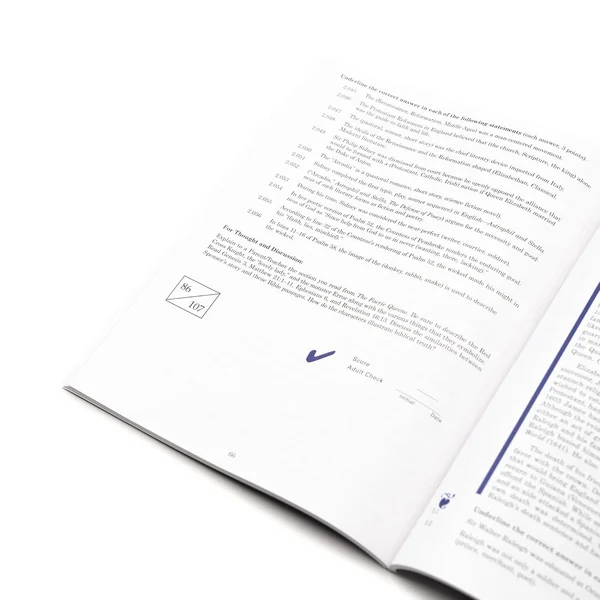
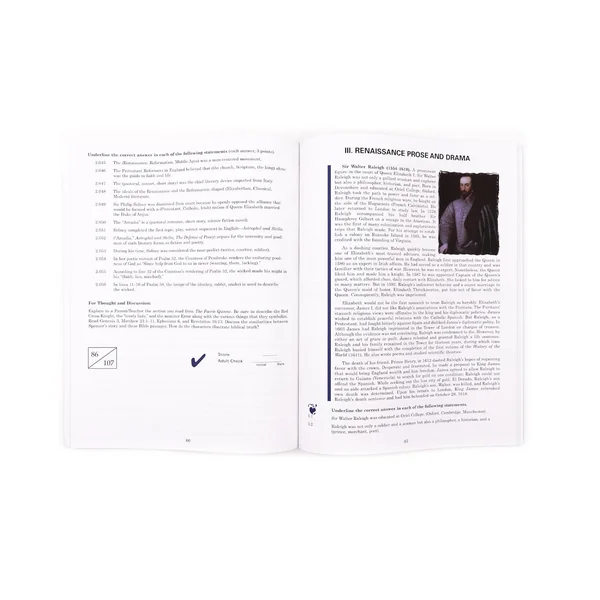
Homeschool families seeking a structured, self-paced literature survey that pairs original texts with historical context and removable assessments.
Worth it if
Worth reading if you prefer a guided, step-by-step curriculum with flexible pacing and built-in testing over open-ended literary discussion.
Skip if
Skip it if you want a standalone, discussion-heavy anthology that can be preserved and shared intact rather than a consumable workbook.
What readers & critics say
Rainbow Resource and Cathy Duffy Reviews highlight the curriculum's flexible structure and its inclusion of worldview discussions, while noting the necessity of adult supervision for the discussion components.
Sources: Rainbow Resource, Cathy Duffy ReviewsPreview the book
Ask LuvemBooks
Was this helpful?
- Is it worth reading?
- It is a strong fit for a literature survey that includes removable assessments. The program delivers a clear framework for tracking progress and helps students build confidence through a manageable timeline. However, it may disappoint readers seeking a standalone, discussion-heavy anthology or those who want to preserve and share the book intact.
- Similar books
- Readers exploring this curriculum might also look into titles that bridge literary analysis, such as The History of English Literature, The Canterbury Tales, or The Diary of a Young Girl. While these works approach literature from different angles, they share a focus on foundational texts and historical background. Note that these titles are not currently available for direct purchase through our linked catalog.
- Who should read this?
- The primary audience consists of students in grades 7 through 12. It is particularly well-suited for parents who favor a structured approach to study rather than free-form exploration, as well as those who thrive on clear directions and flexible pacing. The curriculum also works well for those looking to replace bulky traditional anthologies with a lighter, more manageable format.
- What age is it for?
- Best for ages 12 and up, aligning with the middle school and high school grades (7–12) it was designed to serve. The material assumes a foundational reading level and introduces abstract historical contexts alongside canonical literary figures, making it appropriate for confident younger readers and teenagers navigating their first formal literature survey.
- What's the reading level?
- The curriculum targets a high school reading level, specifically designed for grades 9–12, though it is structured to accommodate younger learners in grades 7 and 8. It relies on varied question formats to ensure comprehension across stories, plays, and poems. The structure allows learners to advance at their own speed, typically finishing the course quickly.
- What are the main themes?
- The worktext explores the evolution of English literature across five major periods, from the Middle Ages through the 20th century. It emphasizes the cultural forces shaping literary works and the development of key authors like William Shakespeare, John Bunyan, and the Romantic poets.
- Does it require parental involvement?
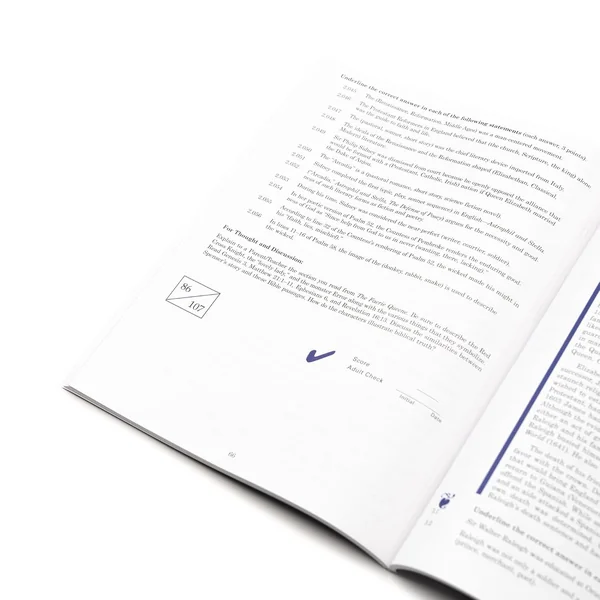
- While intended for self-study, reviewers note that oversight is necessary to ensure lessons stay on track. Students are expected to interact with thought exercises, which benefit significantly from adult supervision. The program includes a detachable evaluation, indicating that an adult figure should be present to manage assessments and pacing.
Summarize this book
Follow up
Synthesized from verified book data & published reviews · How we review
What would you like to know about British Literature?
Answers come from our editorial notes on this book. If we haven't covered something, we'll say so.
Readers often ask
Our Review
We review the evidence: published reviews and reader verdicts, gathered and weighed with AI assistance and edited by LuvemBooks, rather than one reader's first-hand take.
What British Literature Covers
How the Course is Built
Who British Literature Is For
Is British Literature Worth Reading?
Sources & Further Reading
The key facts and claims in this review are grounded in the retrieved, verified sources listed below.
- Cited in this review
- 1
rainbowresource.com
- Further reading
- 2
app.thestorygraph.com
- 3
abebooks.co.uk
- 4
cathyduffyreviews.com
Age & Reading Level
Our age band
Ages 12+
Reading level
Young adult
Our age band groups books for browsing; it isn't an age a review gave.
who it suits
Best for: Ages 12+ — designed for middle school and high school readers navigating foundational literary analysis
Skip if you prefer open-ended literary discussion over structured, step-by-step testing
Reader reviews
No LuvemBooks readers have answered yet.
Read it? Was it right for you?
Books like British Literature
Curated picks for readers who enjoyed British Literature, with our reasoning for each match.

If you liked British Literature


