8 min read
Share This Review
Our review
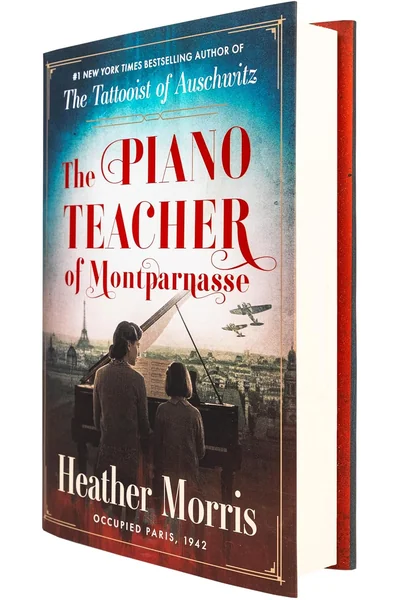
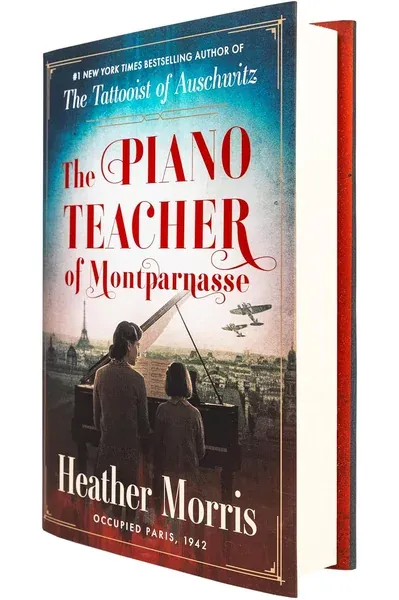
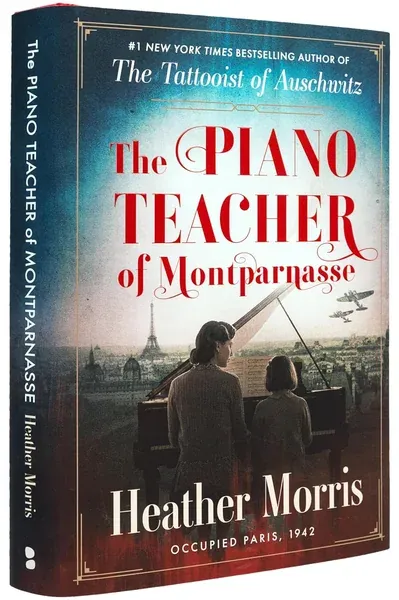
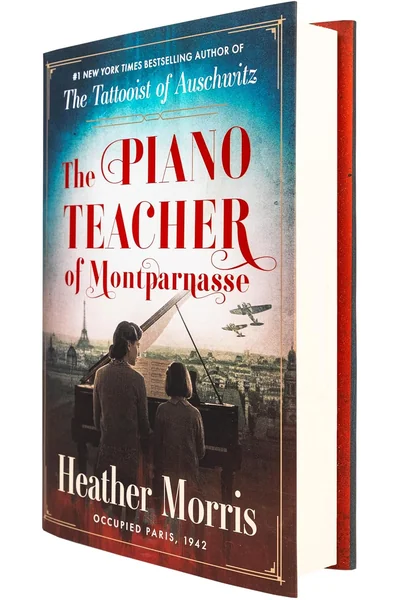
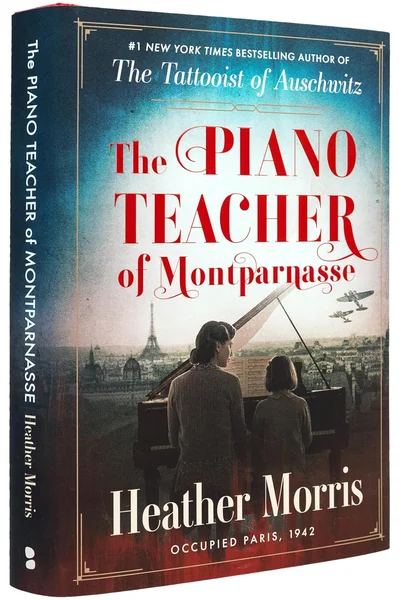
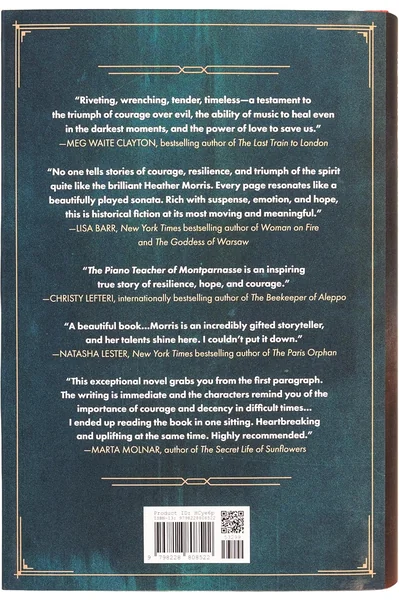
The Piano Teacher of Montparnasse
The Piano Teacher of Montparnasse Review: A Quiet Rescue (Heather Morris)
Heather Morris returns to historical fiction with a novel tracing the bond between a hidden Jewish child and her Resistance-linked piano teacher in 1942 Paris. While critics praise its emotional core and accessible pacing, reception highlights a sharp divide over its gentle tone, making it essential for fans of found-family narratives but optional for readers demanding rigorous historical realism.
 Tap to enlarge
LuvemBooks Verdict
Best for
Fans of found-family narratives who prioritize emotional resonance over rigorous historical documentation.
Worth it if
Worth reading if you want a character-driven survival story that emphasizes everyday heroism and features an excellent clarification of fact versus fiction.
Skip if
Skip it if you demand unflinching realism or complex political analysis, as reviewers note the gentle tone sanitizes the Holocaust's brutality.
Where reviewers agree and split
Readers rate it 4.5 on Amazon. The reviews we read that discuss it in depth split on some points:
- Mixed
Bookishelf · Book blog: gentle but limited, yet deserving of readership
- Positive
The Book Review Crew · Book blog: praises characterizations, writing, and uplifting themes
- Positive
Princeton Book Review · Book blog: captivating story with excellent pacing and a powerful ending
- Negative
The Spectator Australia · Book blog: criticizes trivial prose and lack of historical truth
- Positive
The Secret Book Review · Book blog: moving story with accessible writing and profound kindness
What readers & critics say
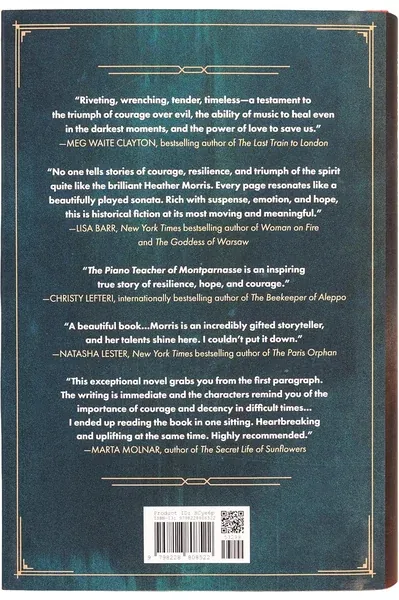
Critical reception for The Piano Teacher of Montparnasse is sharply divided on its prose and historical weight. The Book Review Crew and Princeton Book Review praise its uplifting tone and excellent pacing, while The Spectator Australia condemns the writing as trivial and historically evasive.
Sources: The Book Review Crew, Princeton Book Review, The Spectator Australia, The Secret Book ReviewPreview the book
Ask LuvemBooks
Was this helpful?
- Is it worth reading?
- The novel succeeds as a story that emphasizes everyday heroism, earning praise for its accessible storytelling. However, it demands readers accept its specific narrative priorities over historical comprehensiveness. Those seeking accuracy or political analysis may find the approach too sentimental, while fans of family-centered stories will likely find it rewarding.
- Similar books
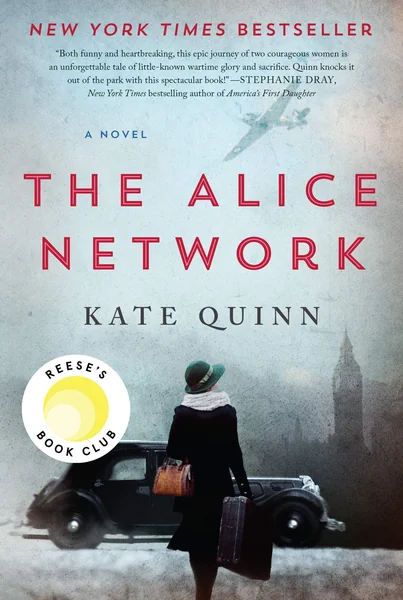
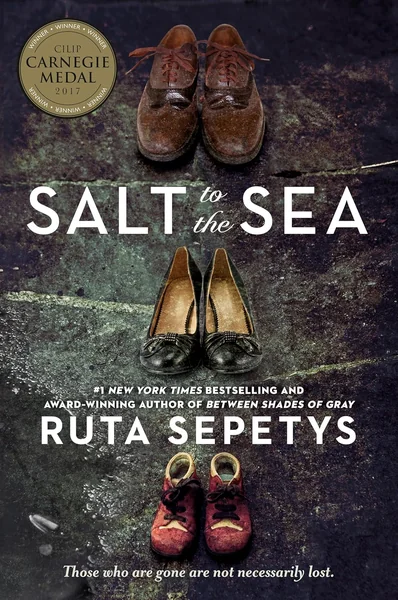
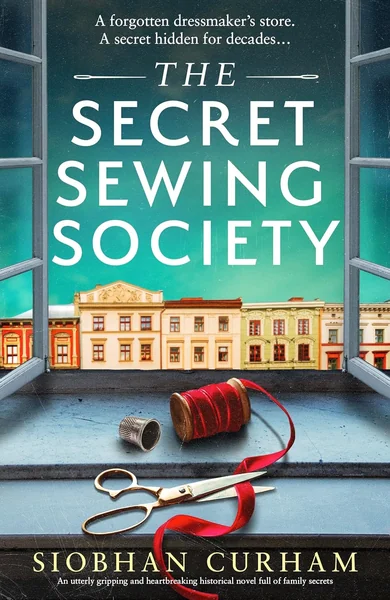
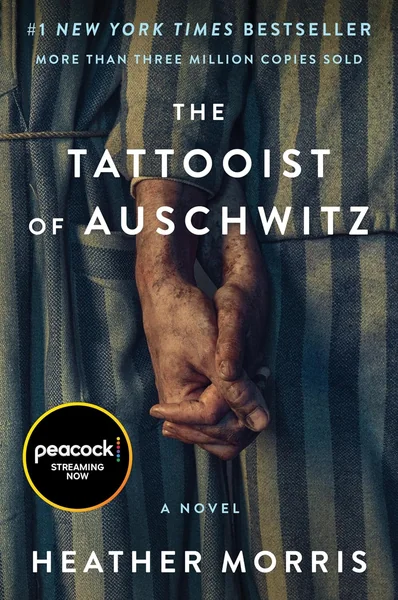
- Readers drawn to the emotional bonds in The Tattooist of Auschwitz or The Secret Sewing Society will appreciate this narrative. The Alice Network and Salt to the Sea offer comparable wartime resistance themes and focus on ordinary citizens navigating occupation. Each recommendation shares the core dynamic of marginalized voices risking everything to protect vulnerable individuals.
- Who should read this?
- This book is best for fans of stories who prioritize emotional impact over historical accuracy. It appeals to readers seeking a compelling narrative that clarifies fact versus fiction. It may disappoint those who demand strict accuracy or political depth.
- What age is it for?
- Written for adults, this novel explores historical persecution, psychological trauma, and the burdens of wartime survival. While the protagonist is a young child, the themes of Gestapo raids, forced separation, and fear of hiding require mature comprehension. Parents should consider the heavy historical context rather than the age of the central character.
- What are the main themes?
- The narrative explores the stress of concealment and how small, daily acts of defiance accumulate into survival. Music serves as a recurring motif for survival and memory, anchoring the emotional arc between the teacher and pupil. The story also examines the uncelebrated network of French resisters and the moral complexities of hiding Jewish children.
- How does this compare to The Tattooist of Auschwitz?
- This France-set work continues Morris's pattern of centering overlooked perspectives during wartime but shifts the geographical and cultural focus. Unlike the Auschwitz trilogy, this narrative avoids large-scale combat in favor of quiet tension. The tone here is more explicitly uplifting and focused on community dynamics, whereas her previous works often lean into the stark brutality of concentration camp settings.
Summarize this book
Follow up
Synthesized from verified book data & published reviews · How we review
What would you like to know about The Piano Teacher of Montparnasse?
Answers come from our editorial notes on this book. If we haven't covered something, we'll say so.
Readers often ask
Our Review
We review the evidence: reader verdicts, gathered and weighed with AI assistance and edited by LuvemBooks, rather than one reader's first-hand take.
Plot Summary and Characters
Significance and Historical Context
Critical Reception and Strengths
Limitations and Critical Disagreement
Our Take: Is It Worth Reading?
Sources & Further Reading
The key facts and claims in this review are grounded in the retrieved, verified sources listed below.
- Cited in this review
- 1
- Further reading
- 2
Heather Morris, LuvemBooks
- 3
heathermorrisauthor.com
- 4
- 5
thebookreviewcrew.com
- 6
- 7
- 8
- 9
thesecretbookreview.co.uk
- 10
Age & Reading Level
Our age band
Adult
Our age band groups books for browsing; it isn't an age a review gave.
3 content notes · who it suits
Content to know about
Best for: Adults 18+ — themes of historical persecution, psychological trauma, and wartime violence.
Skip if you demand unflinching historical realism or complex political analysis
Reader reviews
No LuvemBooks readers have answered yet.
Read it? Was it right for you?
Books like The Piano Teacher of Montparnasse
Curated picks for readers who enjoyed The Piano Teacher of Montparnasse, with our reasoning for each match.
If you liked The Piano Teacher of Montparnasse