9 min read
4.4
· 8,492 Amazon ratingsShare This Review
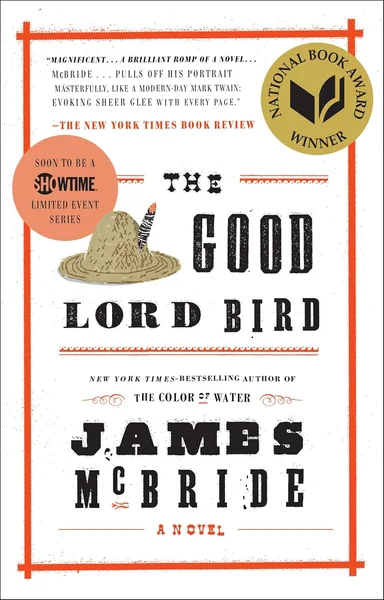
The Good Lord Bird by James McBride Review: A National Book Award–Winning Historical Triumph
James McBride's National Book Award–winning novel follows Henry "Little Onion" Shackleford, a young enslaved boy swept into John Brown's abolitionist crusade across the Kansas Territory and ultimately to the 1859 raid on Harpers Ferry — a wildly inventive, darkly comic recasting of one of American history's most explosive chapters.
LuvemBooks Verdict
Best for
Readers who love picaresque historical fiction in the Twain tradition — particularly those drawn to narratives of survival, disguise, and moral complexity told through an irreverent, comedic voice rather than solemn reverence.
Worth it if
You're willing to let dark comedy and absurdist energy carry you through one of America's most charged historical periods, and you want a genuinely original lens on John Brown and the road to Harpers Ferry.
Skip if
You prefer your antebellum fiction solemn and conventionally reverent — the novel's sustained picaresque tone and caricatured portrait of Brown as a farcical zealot will likely cut against those expectations.
What readers & critics say
Kirkus Reviews gave the novel its "Get It" verdict, praising McBride's experiment in point of view and the narrator's fluid identity as a source of genuine literary leeway. Columbia Magazine identified the Kansas Territory setting as what makes McBride's marriage of slavery and comedy possible, calling it "a daring conceit" that in lesser hands could go badly wrong — while implying McBride pulls it off. The National Book Foundation, which awarded McBride its Fiction prize for the novel, described the voice as "as comic and original as any we have heard since Mark Twain."
“McBride presents an interesting experiment in point of view — Brown's activities filtered through Onion's eyes, with gender fluidity granting the narrator a certain leeway.”
— Kirkus ReviewsAsk LuvemBooks
Was this helpful?
- Is it worth reading?
- For readers open to dark comedy as a lens on American history, The Good Lord Bird delivers exactly what its National Book Award reputation promises. Critics at the New York Times Book Review, the Washington Post, and the Chicago Tribune converged on the same verdict: McBride's balance of comedy and gravity, rendered through Little Onion's disarming voice, is a genuine literary achievement — 'boisterous, highly entertaining, altogether original,' in the Washington Post's words. The one honest caveat is tonal: readers who prefer solemn, reverential treatments of slavery and the antebellum era may find the picaresque irreverence an obstacle rather than an invitation.
- Similar books
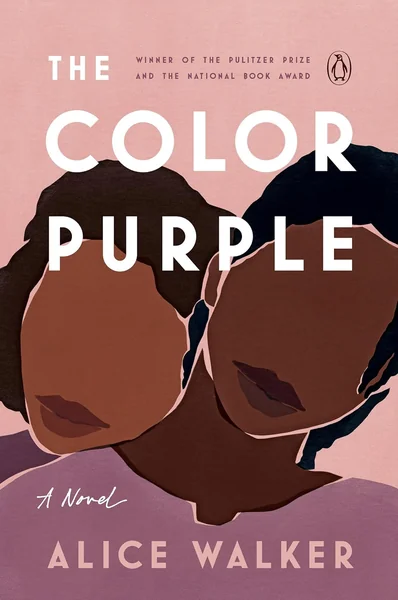
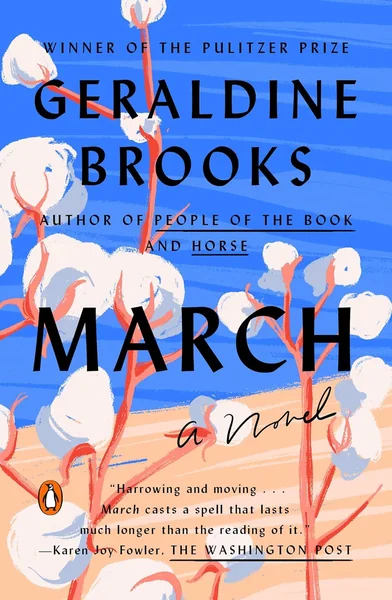
- Readers who connect with The Good Lord Bird's blend of historical fiction, moral complexity, and inventive voice will find strong companions in the curated selections below. Geraldine Brooks's March reimagines the Civil War era through the absent father of Louisa May Alcott's Little Women, bringing a similarly literary conscience to the period. Alice Walker's The Color Purple shares the use of an intimate, vernacular first-person voice to navigate race, survival, and identity in American history. Colson Whitehead's The Underground Railroad and Ta-Nehisi Coates's The Water Dancer both approach the antebellum and slavery era with a spirit of imaginative reinvention that McBride's readers tend to prize.
- Who should read this?
- The Good Lord Bird is written for adult readers who enjoy historical fiction operating at the intersection of adventure, moral complexity, and humor. Its natural audience, as the review identifies, includes readers who have loved Twain and those drawn to picaresque novels of survival and reinvention. It is especially well-suited to book clubs — Penguin Random House's full readers' guide makes it a rich discussion text — and to readers curious about the abolitionist period and the events leading to the Civil War. Readers who need their Civil War-era fiction solemn and reverential are candidly warned that McBride's irreverent, darkly comic register is the novel's entire mode, not a surface feature.
- About James McBride
- James McBride is an American writer and musician.
- What are the main themes?
- Identity and survival sit at the center of The Good Lord Bird: Little Onion's sustained cross-dressing disguise is not played purely for comedy but as a lived strategy that raises genuine questions about selfhood, loyalty, and the cost of survival under slavery. The novel also interrogates the nature of idealism and fanaticism through its caricature of John Brown — a figure so consumed by his abolitionist mission that he becomes simultaneously heroic and self-defeating. Penguin Random House's readers' guide specifically flags identity, loyalty, and the frame narrative as the novel's core discussion threads, alongside McBride's stylistic debts to classic American literature in the tradition of Twain.
- Is this a good book club pick?
- The Good Lord Bird has strong credentials as a book club selection: Penguin Random House has published a full readers' guide covering identity, loyalty, the frame narrative, and McBride's stylistic debts to classic American literature, making structured discussion straightforward. The novel's central tonal gamble — dark comedy in the service of serious history — tends to generate genuine debate among readers, particularly between those who embrace the irreverent register and those who initially resist it. Its National Book Award pedigree and broad critical reception give groups a rich critical context to draw on as well.
Summarize this book
Follow up
Synthesized from verified book data & published reviews · How we review
Press Enter to ask. Answers come from our editorial Q&A — start typing to see related questions.
Age & Reading Level
Recommended age
Adult
Reading level
Adult
4 content notes · who it suits
Content to know about
Best for: Adults — the novel's subject matter (slavery, antebellum racial violence, and racial language of the period) is intended for mature readers
Skip if you want a solemn, reverential treatment of slavery and the Civil War era rather than a darkly comic, picaresque one
Our Review
What the Novel Is and What It Does
Significance and Place in the Literary Conversation
Craft and Voice: McBride's Strengths on the Page
The Tonal Risk and Who It May Frustrate
Who This Novel Is For and Why It Endures
Sources & Further Reading
The key facts and claims in this review are grounded in the retrieved, verified sources listed below.
- Cited in this review
- 1
magazine.columbia.edu
- 2
- 3
en.wikipedia.org
- Further reading
- 4
James McBride, Wikipedia
- 5
kirkusreviews.com
- 6
christiancentury.org
- 7
- 8
nationalbook.org
- 9
Books like The Good Lord Bird
Curated picks for readers who enjoyed The Good Lord Bird, with our reasoning for each match.
If you liked The Good Lord Bird