7 min read
4.8
· 570 Amazon ratingsShare This Review
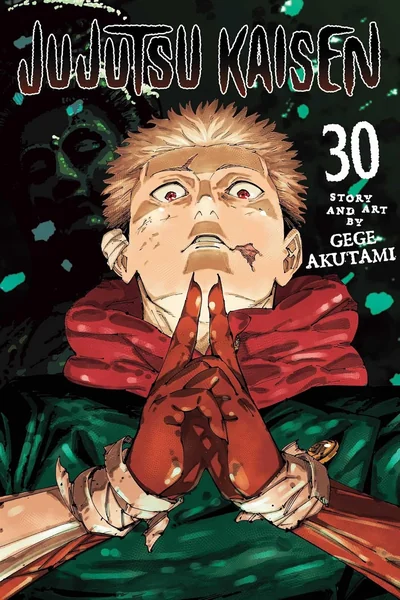
Jujutsu Kaisen, Vol. 30 by Gege Akutami Review: A Climactic but Divisive Series Finale
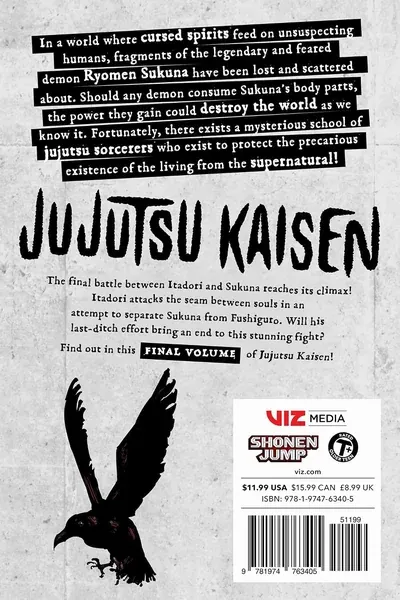
Jujutsu Kaisen, Vol. 30 is the concluding volume of Gege Akutami's landmark shonen manga series, delivering the final confrontation between Yuji Itadori and the legendary demon Ryomen Sukuna. This review covers the volume's content and published reader reception, not hands-on reading or testing. The finale brings the central battle to its climax and resolves key character fates, though some readers have noted the ending bears signs of a rushed conclusion.
 Tap to enlarge
LuvemBooks Verdict
Best for
Long-term Jujutsu Kaisen fans who have followed all 30 volumes and want a definitive, if imperfect, conclusion to Itadori's battle against Sukuna and closure on the full supporting cast.
Worth it if
You've invested in the series from the start and want to see the central conflict resolved and beloved characters' fates settled, even if the execution feels rushed.
Skip if
You're sensitive to heavy content (gore, death, violence) or are a newcomer hoping to jump in at the finale — this volume offers no entry point and no relief from the series' sustained darkness.
What readers & critics say
Reader reviews on The StoryGraph reflect a divided response: some cite the immense pressures of a debut serialisation that exploded in popularity — tight deadlines and personal circumstances — as context for what many describe as a rushed conclusion, while others express genuine love for the characters and storyline despite the ending's shortcomings (beta.thestorygraph.com). A review on DuckJapan.com acknowledges the series put readers through considerable hardship but affirms satisfaction at reaching the final destination.
Sources: The StoryGraph (beta), DuckJapanAsk LuvemBooks
Was this helpful?
- Is it worth reading?
- For readers who have invested in the full 30-volume run of Jujutsu Kaisen, Vol. 30 delivers the resolution it promises — a definitive climax to the battle between Itadori and Sukuna, and meaningful closure for supporting characters like Yuta, Maki, Hakari, and Shoko. However, reader reception has been notably mixed: a consistent thread in review communities characterizes the ending as rushed and 'sloppy,' with one reader noting it feels like 'Gege wanted it over with.' The resolution of Yuji Itadori's personal fate has proven especially divisive. Longtime fans will likely find it worth reading despite its flaws, but should temper expectations for a fully satisfying conclusion.
- Similar books
- Readers drawn to Jujutsu Kaisen's blend of supernatural action, dark themes, and high-stakes shonen storytelling will find much to explore in adjacent manga. My Hero Academia, Vol. 1 by Kohei Horikoshi offers another high-energy shonen series built around a young protagonist discovering his powers in a world of heroes. Demon Slayer: Kimetsu no Yaiba, Vol. 1 by Koyoharu Gotouge similarly combines emotional stakes with intense combat and a world overrun by supernatural threats. Chainsaw Man, Vol. 1 by Tatsuki Fujimoto pushes the darkness further, trading shonen optimism for brutal, visceral storytelling. Fullmetal Alchemist, Vol. 1 by Hiromu Arakawa and Bleach, Vol. 1 by Tite Kubo round out the landscape of landmark action manga with rich world-building and long-form character arcs.
- Who should read this?
- Jujutsu Kaisen, Vol. 30 is written specifically for readers who have followed the series from the beginning — it is the payoff volume for a 30-volume commitment, and it offers nothing to those without that context. Ideal readers are longtime fans of the manga or those who have followed both the manga and its anime adaptation and want to see how Yuji Itadori's story and the battle with Ryomen Sukuna ultimately concludes. Readers who enjoy dark, action-driven shonen storytelling with emotionally complex characters will find the most to appreciate here, though they should be prepared for a conclusion that many in the community have found imperfect.
- Tell me about the adaptation
- Jujutsu Kaisen has a widely acclaimed anime adaptation that played a significant role in bringing Gege Akutami's manga to a global audience. The anime-driven surge in popularity expanded the series' fanbase well beyond traditional manga readers, making Vol. 30 a cultural endpoint for fans who came to the story through both formats. The anime adaptation is produced by MAPPA and has been broadcast internationally, adapting the manga's story arcs including the early Yuji Itadori and Ryomen Sukuna conflict that Vol. 30 ultimately resolves.
- What are the content warnings?
- Jujutsu Kaisen, Vol. 30 carries significant content advisories. Community-sourced data flags the series for gore, graphic violence, on-page character death, child death, blood, self-harm, murder, and detailed injury depictions. The series has escalated in darkness across its full run, and Vol. 30 arrives at the end of that sustained intensity. It is not appropriate for younger or sensitive readers, and its content is firmly in adult or mature-teen territory.
- How significant is this series?
- Jujutsu Kaisen is widely recognized as one of the most significant shonen manga series of its era. It achieved major global popularity, further amplified by its anime adaptation produced by MAPPA, which brought Gege Akutami's work to readers and viewers who might never have encountered the source material. Published in English by VIZ Media and distributed by Simon & Schuster — reflecting its mainstream commercial standing — the series' 30-volume run marks it as a sustained, culturally significant long-form work. Vol. 30's conclusion represents the endpoint of a story that left a genuine mark on global manga and anime culture.
Summarize this book
Follow up
Synthesized from verified book data & published reviews · How we review
Press Enter to ask. Answers come from our editorial Q&A — start typing to see related questions.
Age & Reading Level
Recommended age
Ages 16+
Reading level
Adult
6 content notes · who it suits
Content to know about
Best for: Adults / mature 16+ — sustained graphic violence, gore, on-page death including child death, and heavy emotional darkness accumulated across the full 30-volume series.
Skip if you are sensitive to graphic violence and dark content, or are looking for a satisfying, conclusive ending to a long-running series.
Our Review
What This Volume Contains and Does
The Series' Place in Shonen Manga
Strengths of the Finale
Limitations and Criticisms
Content Warnings and Who This Volume Is For
Sources & Further Reading
The key facts and claims in this review are grounded in the retrieved, verified sources listed below.
- Cited in this review
- 1
- Further reading
- 2
- 3
app.thestorygraph.com
- 4
beta.thestorygraph.com
- 5
duckjapan.com
- 6