8 min read
4.8
· 81 Amazon ratingsShare This Review
Three Sticks by David R Anderson Review: A Nostalgic, Earnest Heroic Fantasy Debut
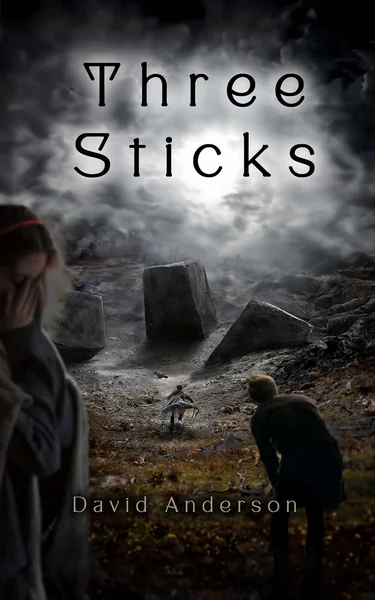
Three Sticks is a self-published coming-of-age fantasy novel — the first in a planned three-book series — written by David R Anderson, illustrated by Tim Cleary, and edited by Steve Anderson. Told through the eyes of Sten, a self-conscious seventeen-year-old half-elf navigating a childhood injury, village life, and an unexpected journey into the Wild, the book draws on Anderson's decades of love for the genre, rooted in his Dungeons & Dragons-playing teenage years in small-town Minnesota. Reader reactions on Amazon point to an entertaining cast, a well-paced plot, and a tone that balances heroic adventure with humor and heart.
LuvemBooks Verdict
Best for
Readers who grew up on classic D&D-lineage heroic fantasy — elves, quests, creature rosters, and campfire camaraderie — and who want a warmly traditional coming-of-age adventure with genuine emotional interiority at its centre.
Worth it if
You enjoy character-driven quest fantasy in the classic mould and are happy to follow a trilogy as it unfolds, since Book 2 is already available and Book 3 is reported to be in progress.
Skip if
You prefer grimdark, politically complex, or formally experimental fantasy, or you like to wait until a complete series is in hand before beginning Book 1.
What readers & critics say
Amazon reader listings across multiple storefronts reflect consistent enthusiasm, with reviewers on amazon.com.au praising the cast, surprises, and humour, and amazon.ca's listing describing the book as "a sweeping coming-of-age fantasy about courage, scars, and the bonds that shape us." No reviews from major critical outlets such as Kirkus Reviews or Publishers Weekly were retrieved for this specific title.
Sources: Amazon.com.au, Amazon.caAsk LuvemBooks
Was this helpful?
- Is it worth reading?
- For readers with an appetite for classic, secondary-world heroic fantasy in the D&D tradition, Three Sticks offers genuine entertainment: Amazon reviewers consistently praise its cast, pacing, and tonal balance of world-building, magic, action, and humor, with at least one describing a dread of the final pages because the reading experience was so engaging. Sten's emotional arc — rooted in a childhood injury and a convincing self-consciousness around connection — gives the story more interiority than a purely action-driven adventure. As a self-published debut, it arrives without the editorial infrastructure of a major imprint, a factor some readers weigh; and because the trilogy is still in progress, readers who prefer complete story arcs may want to wait for Three Bones. Those happy to follow a series as it unfolds will find two books already available and a third underway.
- Similar books
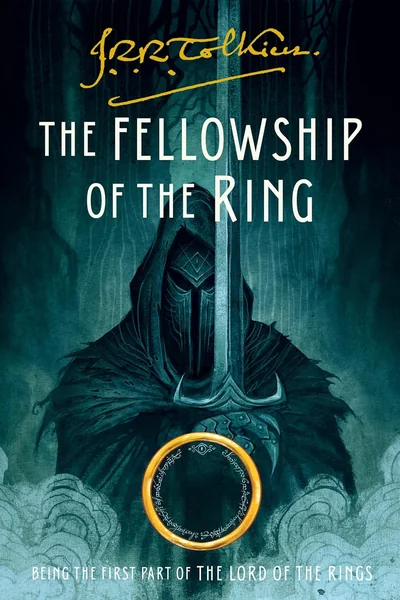
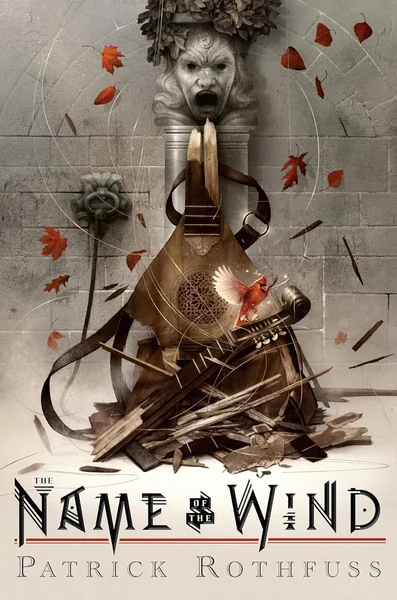
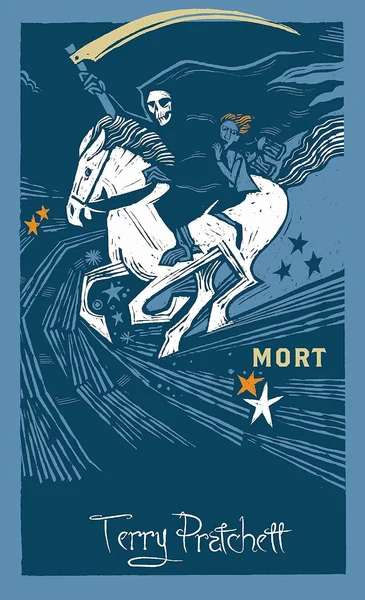
- Readers drawn to Three Sticks will find natural company in the classics of secondary-world heroic fantasy and accessible coming-of-age adventure. J.R.R. Tolkien's The Fellowship of the Ring shares the D&D-lineage sensibility — elves, quests, creature-filled wilds, and a band of companions — that Anderson explicitly draws on. Patrick Rothfuss's The Name of the Wind offers another coming-of-age fantasy following a young protagonist's growth in a richly built secondary world, with a similar balance of adventure and interiority. For readers who appreciate Anderson's integration of humor and heart alongside the heroics, Terry Pratchett's Mort provides a lighter, wit-driven take on classic fantasy tropes. Rick Riordan's Percy Jackson and the Olympians: The Lightning Thief and Leigh Bardugo's Shadow and Bone round out the curated selection for those interested in younger-protagonist fantasy with strong emotional arcs.
- Who should read this?
- Three Sticks is written for readers who grew up on classic D&D-lineage heroic fantasy — elves, quests, creature rosters, and campfire camaraderie — and for those looking for an accessible entry point into that tradition. Its coming-of-age framing, with Sten's arc around self-worth and connection, gives it additional resonance for teen and adult readers interested in emotional depth alongside adventure. It is also a strong fit for anyone who appreciates a balance of world-building, magic, sword-and-staff action, humor, and a touch of romance within a single volume. Readers seeking grimdark, politically complex epic fantasy, or formally experimental storytelling will likely find its pleasures too traditionally rooted.
- What age is it for?
- Best for ages 13 and up. Three Sticks features a seventeen-year-old half-elf protagonist navigating themes of romance, heartbreak, friendship, and self-worth alongside heroic adventure — territory that maps naturally onto confident teen readers and adult genre fans alike. The tone is warmly adventurous with humor and heart rather than dark or graphic, and the content framing is broadly in line with classic heroic fantasy of the D&D tradition.
- Where should I start with this series?
- Three Sticks (Book 1) is the correct starting point — it introduces Sten, his brother, the world's creature roster, and the emotional arc that drives the series. Book 2 is already available for readers ready to continue immediately after finishing the first volume. Three Bones (Book 3) was reported to be in development as of Anderson's most recent public update, so the trilogy is not yet complete.
- How does D&D influence this book?
- The D&D connection is foundational rather than cosmetic. Anderson has described the Three Sticks series as emerging directly from the Dungeons & Dragons sessions played in the Anderson family basement during his teenage years in small-town Minnesota — memories he says 'linger and demand a voice from five decades past.' That biographical grounding shapes the book's creature roster (elves, pixies, Hurks), its adventure-forward structure, and the warmth of its ensemble dynamic. Classic fantasy readers will recognise the lineage immediately, and the book is likely to feel like a love letter to the tradition for those who share it.
Summarize this book
Follow up
Synthesized from verified book data & published reviews · How we review
Press Enter to ask. Answers come from our editorial Q&A — start typing to see related questions.
Age & Reading Level
Recommended age
Ages 12–18
Reading level
Young adult
Best for: Ages 13+ — coming-of-age themes including romance, heartbreak, and self-worth alongside heroic adventure suit confident teen readers and adults; the D&D-lineage adventure register is accessible rather than dark or graphic.
Skip if you're seeking grimdark, politically complex epic fantasy, or formally experimental storytelling.
Our Review
What the Book Is and What It Contains
The Author's Origins and the Series' Roots
Strengths Noted by Readers
Genre Position and Likely Audience
Considerations for Prospective Readers
Sources & Further Reading
The key facts and claims in this review are grounded in the retrieved, verified sources listed below.
- 1
- 2
- 3
Books like Three Sticks
Curated picks for readers who enjoyed Three Sticks, with our reasoning for each match.
If you liked Three Sticks