
8 min read
3.9
· 18 Amazon ratingsShare This Review
Our review
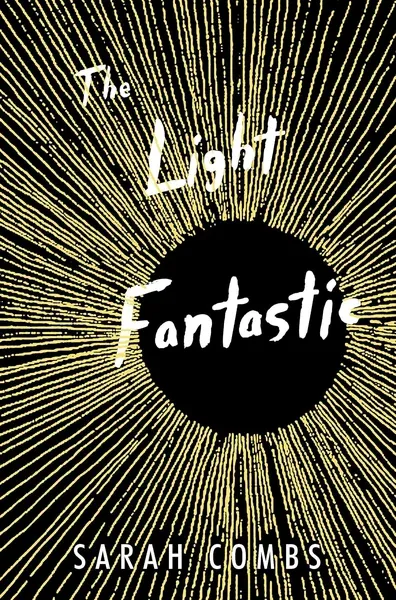
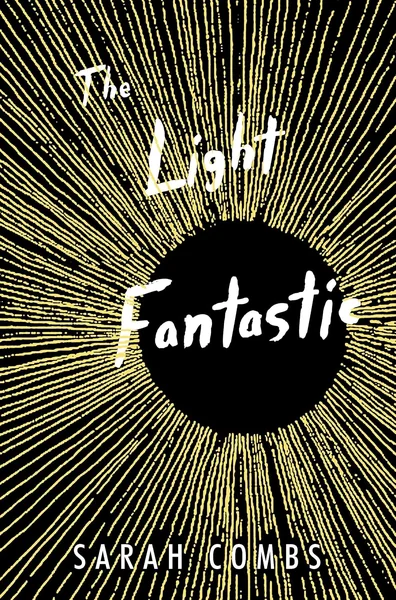
The Light Fantastic by Sarah Combs Review: A Chilling, Lyrical Multi-Voice YA Novel
The Light Fantastic by Sarah Combs is a YA novel that unfolds seven interwoven narratives across three harrowing hours on a single April day, tracing the perspectives of would-be perpetrators, potential victims, and bystanders as coordinated school shootings are planned across the country. Kirkus Reviews calls it "a worthwhile, chilling novel that makes demands of its audience and rewards them richly in return."
LuvemBooks Verdict
Best for
Confident teen readers (roughly 14–18) and book-club or classroom groups who want a psychologically serious, structurally ambitious YA novel about the roots of school violence — told through seven interlocking voices across a single April morning.
Worth it if
Worth reading if you can commit to tracking seven interweaving narrators and want literary, lyrical YA fiction that approaches coordinated school violence with psychological depth and moral honesty rather than sensationalism.
Skip if
Skip it if you find multi-strand narratives that demand close, sustained attention frustrating, or if you're not ready for an unflinching, emotionally intense examination of the inner lives of would-be killers and their potential victims.
What readers & critics say
Kirkus Reviews calls it "a worthwhile, chilling novel that makes demands of its audience and rewards them richly in return," singling out the distinctive narrator voices and "lovely writing, replete with literary references," while cautioning that readers must track multiple strands closely. The Nashville Public Library catalog praises Combs's "lyrical" language and "distinctive rhythm and voice" for each narrator, describing the result as "timely and thought-provoking" with storylines that "tie together seamlessly by the end."
“A worthwhile, chilling novel that makes demands of its audience and rewards them richly in return.”
— Kirkus ReviewsAsk LuvemBooks
Was this helpful?
- Is it worth reading?
- For readers willing to engage with its demands, The Light Fantastic earns strong critical endorsement: Kirkus Reviews calls it "a worthwhile, chilling novel" and singles out the "lovely writing, replete with literary references" as a force that spurs readers through its structural complexity. The Washington Independent Review of Books assessed that Combs "has tackled a heavy topic with this novel, and she has done it well," and Cleaver Magazine called it "a stand-out read" for its "unique portrayal of school shootings." The chief caveat is that seven narrators require sustained, careful attention — Kirkus explicitly notes readers must track multiple strands closely to understand how they connect.
- Similar books
- Readers drawn to The Light Fantastic's unflinching exploration of school violence from multiple perspectives may also want to seek out Hate List by Jennifer Brown, which similarly examines the aftermath of a school shooting through the eyes of those closest to it, and Forgive Me, Leonard Peacock by Matthew Quick, another intense YA novel told from the perspective of a troubled teenager on the edge. Violent Ends, edited by Shaun David Hutchinson, shares the multi-narrator structure — eighteen authors each tell part of a single school shooting story. Give a Boy a Gun by Todd Strasser is an earlier YA landmark on the same subject. Combs's own debut, Breakfast Served Anytime, offers a very different but equally character-driven YA experience for readers who want to explore her voice further.
- Who should read this?
- The Light Fantastic is aimed at confident teen readers aged approximately 14 to 18, and Kirkus Reviews places it in the Fiction 14–18 bracket. It is especially rewarding for readers who enjoy literary, multi-narrator fiction and are willing to sit with moral complexity — the novel's allusions, structural architecture, and psychological depth make it particularly well suited to classroom or book-club settings. Those seeking straightforward or fast-paced narratives may find the seven-strand structure demanding.
- What age is it for?
- Best for ages 14 and up. Candlewick published The Light Fantastic for readers aged approximately 14 to 18, and Kirkus Reviews places it in the Fiction 14–18 bracket. The novel's seven-narrator structure, literary allusions, and psychologically demanding engagement with coordinated school violence require a confident, mature teen reader — it is not suited to younger YA readers or those within the age range who find the subject matter distressing.
- About Sarah Combs
- Sarah Combs leads writing workshops at a nonprofit literacy center in Lexington, Kentucky, where she lives with her husband, their two young sons, and two pacifist bird dogs. Her debut novel, Breakfast Served Anytime, was a Kids' Indie Next selection and a VOYA Perfect Ten. The Light Fantastic is her second novel.
- Is this appropriate for teens?
- The Light Fantastic is written for teens aged 14 to 18, but its subject matter — coordinated school violence narrated from the perspectives of would-be shooters, their potential victims, and bystanders — is intense and not suited to all readers within that range. Combs's approach, as the Nashville Public Library frames it, is "timely and thought-provoking" rather than sensationalistic, anchoring the violence in the psychology and social isolation of the characters. Parents and educators should consider both the reader's maturity and any personal proximity to the subject before recommending it.
- Is this a good book club pick?
- The Light Fantastic is especially well suited to book-club and classroom settings, where the seven interwoven narratives and their convergence can be unpacked collectively. The publisher describes the novel as "a tense, shocking, and beautifully wrought exploration of the pain and pathos of a generation of teenagers on the brink," giving discussion groups rich thematic territory — from social isolation and psychological vulnerability to the hope of redemption. Kirkus's caution that readers must track multiple strands closely is itself a prompt for group conversation: comparing which narratives resonated, and how each voice contributed to the larger puzzle.
Summarize this book
Follow up
Synthesized from verified book data & published reviews · How we review
Press Enter to ask. Answers come from our editorial Q&A — start typing to see related questions.
Our Review
What the Novel Is and What It Does
The Architecture of Seven Voices
Writing and Thematic Ambition
Character and Diversity
Who This Novel Is For
Sources & Further Reading
The key facts and claims in this review are grounded in the retrieved, verified sources listed below.
- Cited in this review
- 1
kirkusreviews.com
- 2
barnesandnoble.com
- Further reading
- 3
catalog.libraries.psu.edu
- 4
catalog.library.nashville.gov
- 5
- 6
elliottdunstan.com
- 7
musewithmeblog.com
- 8
fantasybookreview.co.uk
- 9
bobonbooks.com
- 10
candlewick.com
- 11
penguinrandomhouse.com
Age & Reading Level
Recommended age
Ages 12–18
Reading level
Young adult
Tropes
From how readers and romance sites describe it, not our own reading.
4 content notes · who it suits
Content to know about
Best for: Ages 14+ — the novel's seven-narrator structure, literary density, and unflinching psychological engagement with coordinated school violence are best suited to confident, mature teen readers.
Skip if you want a fast-paced or emotionally lighter YA story, or find the subject of school violence distressing.
Be one of the first readers to answer.
Read it? Was it right for you?
Reader reviews
No reader reviews yet
Read it? Be the first to say what you thought.
Books like The Light Fantastic
Curated picks for readers who enjoyed The Light Fantastic, with our reasoning for each match.

If you liked The Light Fantastic


